

Welcome to the Blog
Keep up with the latest news and updates
With all of the media about “digital wills” and “online estate planning” it could be tempting to think you can do your estate planning yourself, online. And, maybe you can. But, if you do, you need to know the potential pitfalls. Online estate planning could be a big trap for the unwary and actually leave your family worse off than if you had done nothing at all.
First and foremost, before you do any of your own online estate planning, it’s critical to understand your family dynamics, the nature of your assets, and what the state would say should happen to your assets if something happens to you. You see, whether or not you do estate planning, the state does have a plan for your assets if you become incapacitated or when you die. You need to know what that plan is, so you know whether or not you want to change it.
A good start on getting educated is this one hour training with my mentor, financial and legal expert Ali Katz, which clarifies what you can and should do yourself, for free, online. The easy-to-watch training gives you access to a free online tool that you can use to create the one thing that would be most important for your family: a “treasure map” listing everything you own, where it is, and how your loved ones can access it. This tool is free to use, and creating your own personal resource map will be a true gift for the people you love.
But Don’t I Need a Will and Can’t I Just Do It Online?
Here’s the funny thing about estate planning: the one legal document that everyone thinks they need most actually does the least.
Every adult does need SOME estate planning. A will is always a good idea because it says who gets and who is in charge of distributing what you have. However, if the default law would have given your assets to the same people you would choose and authority to the person you would name anyway, then an online will would probably do nothing valuable for you at all.
A will does not keep your family out of court. And if drafted improperly, it could require the person you’ve named to handle things for you to get a bond, which is like an insurance policy. These can be hard to get for an executor who has less than a stellar credit score. If your named executor cannot get a bond, it would then mean the court would appoint a court ordered executor, and that can be costly for your estate. This is just one of the examples of how having a will prepared online, can create more expense for the people you love. Unfortunately, all of the online will preparation solutions I’ve reviewed don’t even mention this risk.
So, yes, you can do your own will online, but at what potential cost for the people you love?
The Problem with Online Wills
DIY online estate plans (and even many estate plans created by lawyers) usually include three to five basic documents: a will, a financial power of attorney, an advance health care directive, possibly a trust, and a legal guardian nomination if you have minor children.
But, honestly, completing these documents without counsel is simply not sufficient to guarantee your estate will be executed as simply, affordably, and effectively as you would wish.
For instance—are you sure there isn’t some missing consideration that could lead to turmoil as your family tries to figure it out? Did you know that most family fights don’t even happen over money, but over lack of clarity? Have you taken into account all your extended family, including stepchildren and ex-spouses? What will be done with all the personal, sentimental items you want to pass on to your children?
There have been far too many scenarios where seniors, even those who had some estate planning done, get caught in the court system or even declared incompetent, and then have court-appointed guardians named, who then drain their accounts. In many cases, their assets are taken before they can get to their kids. You don’t want that to happen to you or your family, right? If not, a do-it-yourself will won’t keep that from happening.
What about making sure your family knows what you have and where it is? An online will won’t tell them that. There’s somewhere between $49 billion and $80 billion being held in state departments of unclaimed property across the United States because someone died and their family lost track of their assets.
So how can you be sure you’ve got everything covered, legally?
With online wills and DIY estate planning docs, you wouldn’t even know what questions to ask to uncover the potential risks to the people you love, who deserve to receive what you’ve created in your life, without a big mess.
Think about this: do you know anyone who has lost family relationships because, after a loved one died, the family ended up in an irrevocable fight? Maybe this has even happened in your own family. It has definitely happened in mine and the consequences—both, financial and emotional—can be devastating.
And, it’s all unnecessary.
Yes, even if there are attorneys on staff at these online companies, they don’t get to know you and your family dynamics enough to spot the real issues that could arise. They are, instead, focused on a one-size-fits-all solution and easy answers to complex issues.
The Kind of Help Your Family Deserves
Even lawyers who specialize in estate planning often base their work on template documents, and have limited skill in getting to the heart of your family matters. Even if they are well-intentioned, they’re working with an old, traditional system that was born around the same time as word processing, and the lawyer’s focus is still very much on having the “best” documents. But the documents are only as good as the understanding a lawyer has about your family dynamics, the nature of your assets, how the law will apply to your situation, and how the documents can be written as simply as possible to achieve your wishes. You need much more than just a set of four or five filled-out template documents to address all those complexities. The way we see it is, if you want things to be as simple as possible for the people you love, when something happens to you, you want counsel to prepare a plan that achieves your desired objectives.
As a Personal Family Lawyer®, this is where we come in. We have specific training in how to educate you, empower you, and support you to make the right decisions for the people you love, while we get to know what really matters to you.
We do this through our Family Wealth Planning Session process. If, as a result of the process, we see that you really do have a very simple situation, and you want to create your documents yourself online, we support you to do that. If, as a result of the Family Wealth Planning Session you decide you do need us to draft a plan for you, we support you to choose the right planning fee for you.
We only take 8 individuals or couples through the Family Wealth Planning Session process each month, so we can ensure that the clients we work with get the attention they need to create a plan that actually works for the people they love.
We inventory your assets, ensuring they are all owned in a way that will keep your family out of court (if you wish) and conflict (which you surely do); and ensure everyone named in your plan has what they need and understands your choices. Most importantly, we ensure you understand your plan, and we ensure you pass along more than just your money.
Do it yourself estate planning is risky. While it may be better than nothing, it may also be worse. And it won’t be until after you are gone that your loved ones find out that answer. If you want to do the right thing by the people you love, you have three options for how to get started:
- Book a Family Wealth Planning Session with me. It’s normally $750, but if you call and tell us you read this article and commit to doing just a bit of homework ahead of time, I’ll waive that Planning Session fee.
- If you aren’t quite ready to call yet, and want to learn a little more first, go to http://www.PersonalResourceMap.com and watch the one-hour training there. Create your own Map and, then, if as a result of the training you decide you do need counsel from a lawyer, book a Family Wealth Planning Session with me after that. If you send me your completed map, I’ll not only waive the Family Wealth Planning Session fee, but I’ll also give you a $250 credit towards any planning you need. Be sure to mention you attended the training, and that you want to claim your $1000 of legal services.
- If you want to talk for 15 minutes before your Family Wealth Planning Session, call my office or book a meeting online.
Proper estate planning can keep your family out of conflict, out of court, and out of the public eye. Are you ready to protect your loved ones and legacy? Join me for my next presentation.

Online Wills? When You Should, When You Shouldn’t and Where to Do It
Right now, huge numbers of people are coming face to face with their own mortality, and realizing they need to plan for the worst. This goes not just for those of us in the “senior” category, but for all of us, no matter our age. We are facing the reality of our mortality, and many of us are doing it courageously by taking this as an opportunity to learn what we need to do for the people we love.
Recently I heard a tragic story from a colleague whose client recently lost her fiancé to COVID-19. Because she wasn’t listed on her fiancé’s health directive and HIPAA waiver, she could not get anyone to update her on his condition once he entered the hospital.
Naturally, she didn’t give up trying to get in touch, and eventually someone told her that he wasn’t in the ICU anymore. She was enormously relieved, but when she hadn’t heard anything else by the next day, she called again for news. Finally, after being transferred several times, she learned that the reason her fiancé wasn’t in the ICU was because he was in the morgue. He’d passed away the day before, and no one had told her. Heartbreaking.
Nobody expects something like this to happen, especially people who are healthy and making plans for their own futures. But sometimes the worst does happen, and if it does, you want the people you love to be able to grieve properly, without leaving them with a mess of confusion on top of it all.
Now, think about your own situation. What will happen to your loved ones, and the assets you’ll leave behind, if you become sick or die?
Without a doubt, you would want to ensure certain people in your life are informed if you have to go to the hospital, and kept up to date on your condition while you are there. You’d also probably want to avoid them having to go through a drawn-out court process to handle your estate after your death, or save them from the fate of not being able to access your assets if you are hospitalized. This article is all about you having the tools you need to make sure everything is in place to do the right thing for the people you love, just in case something happens to you.
The Things You Can Do Yourself
First of all, you need to have a worst-case scenario conversation with your family. A lot of people try to avoid conversations about death, but the truth is, we will all die. It’s better to face that with those that we love, and when the time comes, we will be as ready as we can be.
Create an Inventory of What Matters
A couple of weeks ago, I told you why it was important to have a “personal resource map” to ensure your loved one’s know what you have, where it is, and how to access it if something happens to you.
If you didn’t get a chance to watch the training we created for you on that, you can find that training at PersonalResourceMap.com. It’s content-packed and will show you what you can do yourself, and when you need to work with a lawyer. We encourage you to watch it and create your own Personal Resource Map for the people you love using the free tool provided with the training.
This is something that you can get started on right now, by yourself, without the help of a lawyer. It is a great resource to leave for your loved ones, so they know where to find everything that is important to you, and to them, if something happens to you.
First, get out your calendar and schedule an appointment with yourself. Set aside an hour to watch the training and then one more hour to take an inventory of everything in your life that is important to you. We’ll guide you through doing that step by step in the training and give you a free online tool to use to create your own family treasure map, of sorts.
Important Note—Your Personal Resource Map will not handle the following:
- A guarantee that your loved ones won’t have to go to court;
- Directing your assets to anyone other than your “next of kin” according to your state’s laws;
- Ensuring health care decisions are made for you, as you want (it’s not a will or a Health Care Directive);
- Making sure your unmarried partner can stay living in your house.
Update Your Health Care Directive
This is extra important if you want your loved ones to avoid the tragic situation that my colleague’s client found herself in. Do NOT delay reviewing and updating these documents.
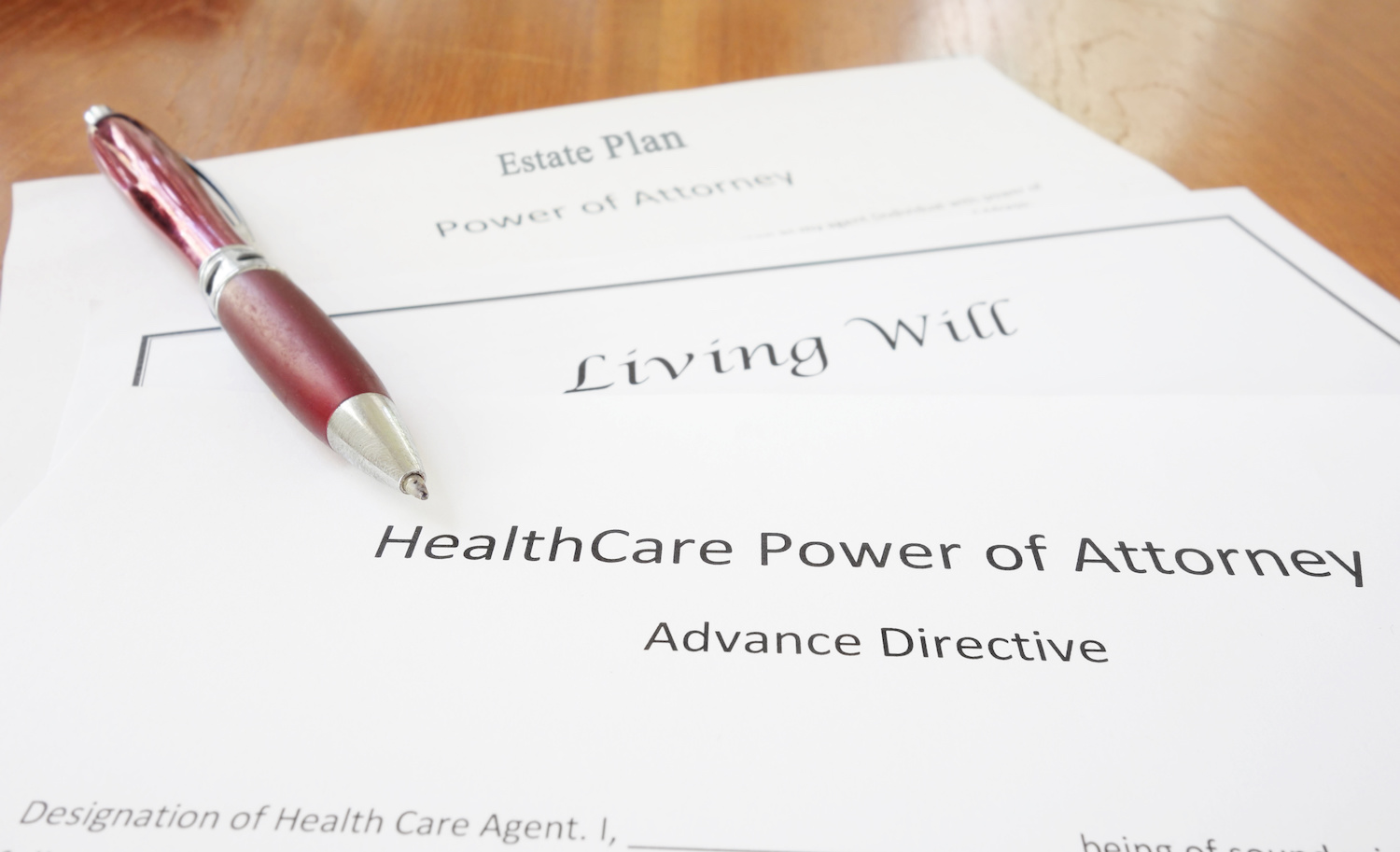
An Advance Health Care Directive has three parts:
- The Living Will/ Medical Directive, which states how you want decisions to be made for you.
- The Medical Power of Attorney, which states who should make these decisions if you can’t make them yourself.
- A HIPAA Release that allows medical professionals to disclose information to your Medical Power of Attorney/Agent.
You can refer to this article for more information on how exactly to prepare your Health Care Directive .
You can prepare this document yourself if you choose or we can help you with it.
Name Legal Guardians for Your Kids
A very important thing for all parents of minor children to do is name legal guardians for your children. Think about what would happen to them right now if something were to happen to you, for both the long term and the immediate future. We have a website we’ve created where you can name legal guardians for your kids, at no charge here: kidsprotectionplan.com.
What You Should Get A Lawyer’s Help With
The goal in setting up your estate plan is, ultimately, to keep your loved ones out of the court process and out of conflict. To do that, you have to keep your estate plan up to date, and ensure you’ve made the right decisions in the estate planning process.
Under the following circumstances, you should not just do planning yourself, but instead have a Family Wealth Planning Session, during which we can look at your family dynamics, your assets, and the law so you can decide what you really do need for the people you love:
- If you have assets, beyond what you can physically see and touch, and those assets are worth more than $100k;
- If you live with your unmarried partner in a house that one of you owns and the other doesn’t (or even if you own it together);
- If you have minor children and your named guardians don’t live locally to you;
- If you are in a second (or more) marriage;
- If you have complex family dynamics;
- If you have a business you want to continue after you are gone;
- If you know for sure you would want to keep your family out of court no matter what.
All of our Family Wealth Planning Sessions are happening virtually these days, and we can make the whole process quite easy and affordable for you and the people you love. Give us a call to schedule your Family Wealth Planning Session, if you are ready to face your mortality courageously.
Proper estate planning can keep your family out of conflict, out of court, and out of the public eye. Are you ready to protect your loved ones and legacy? Join me for my next presentation.
A Map to Doing the Right Thing for the People You Love During the COVID-19 Pandemic
It’s the beginning of the month, and bills are coming due. If you are stressed out, it’s important that you know where and how to get access to financial relief. Please consider this not only for yourself, but for your adult children and elderly parents, too, even if you do not need it for yourself.
On March 27, President Trump signed a $2.2 trillion stimulus bill into law that will hopefully provide some relief for many, perhaps including you. The CARES Act (Coronavirus Aid, Relief, and Economic Security Act) sends money directly to Americans, expands unemployment coverage, and funds loans and grants for small businesses. So let’s look at how you can access these funds.
Who gets direct stimulus money and how much do they get?
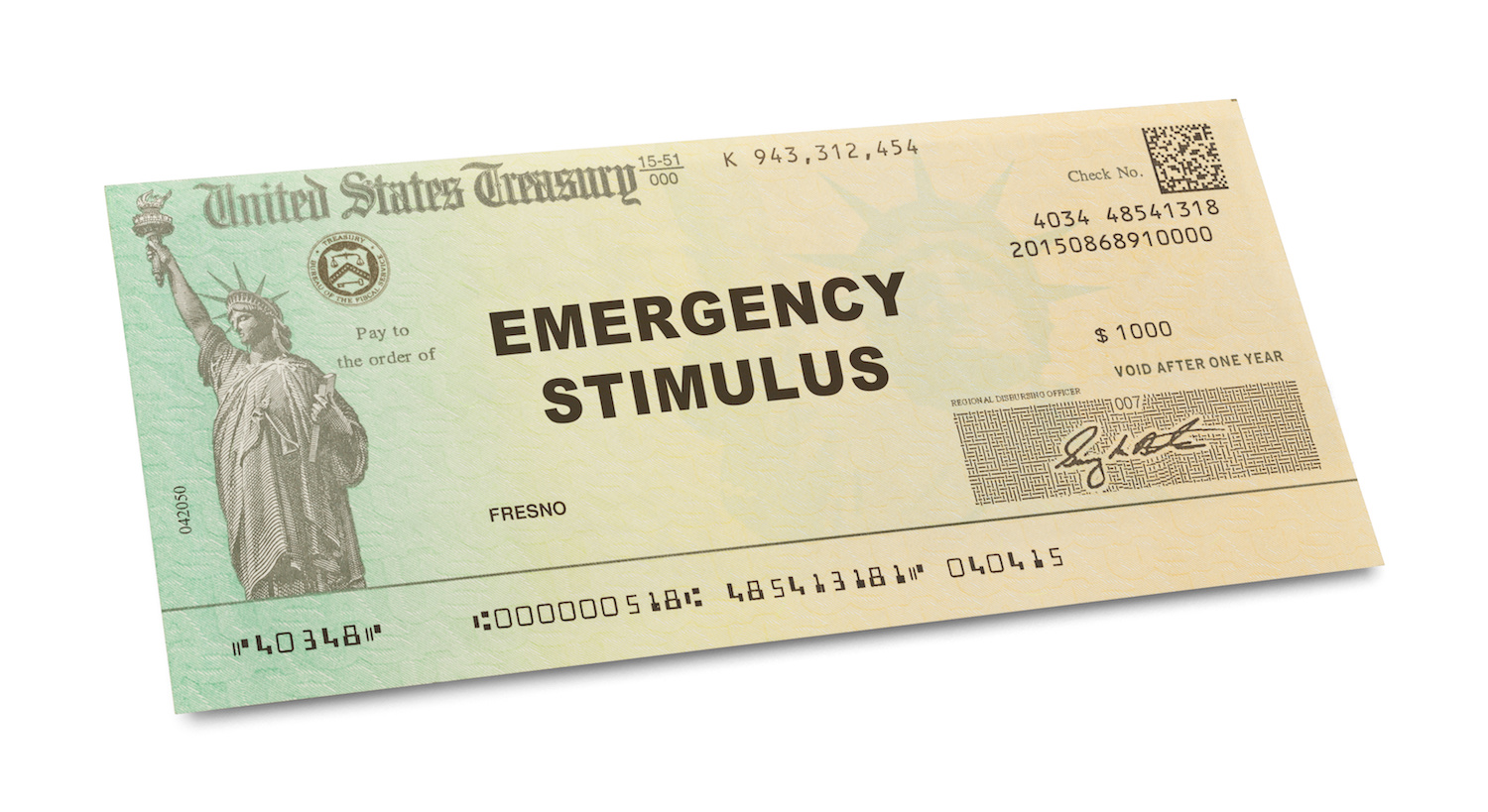
All eligible adults who have a Social Security Number, filed tax returns in 2018 and/or 2019 will automatically get a $1,200 direct stimulus deposit from the government within a particular income bracket. This is true whether you have been laid off, are currently employed, or are currently self-employed or an independent contractor.To get the full amount:
- A single adult must have an adjusted gross income of $75,000 or less.
- Married couples with no children must earn $150,000 or less for a combined total stimulus of $2,400.
- Every qualifying child 16 or under adds $500 to a family’s direct stimulus.
- If you have filed as head of household, have dependents, and earned $112,500 when you last filed, you will get the full payment.
This payment is not considered income—it’s essentially free money from the government. Therefore, it will not be taxed. It also is not a loan, so if you are eligible, you will not be charged interest or expected to pay it back. As of right now, the stimulus is a one-time payment.
Are there exceptions?
Payment decreases and eventually stops for single people earning $99,000 or more or married people who have no children and earn $198,000 annually. Additionally, a family with two children will no longer be eligible for payments if their income is over $218,000.
If you are an adult claimed on your parent’s tax return, you do not get the $1,200.
What do I need to do to get my stimulus money?
For most people, no action is necessary. If the IRS has your bank account information already, it will transfer the money to you via direct deposit. If, however, you need to update your bank account information, the IRS has posted on their website that they are in the process of building an online portal where you can do so.
An important note: if you have not filed a tax return in the past couple of years, or you don’t usually need to file one, you should file a “simple tax return” showing whatever income you did have, so you can qualify for these benefits.
You can continue to check for updates on how to make sure you get your payment by regularly checking for updates on their Coronavirus Tax Relief page. https://www.irs.gov/coronavirus
When will that money come through?
Treasury secretary Steven Mnuchin says that he expects most people will get their payments by Friday, April 17th, though other sources say that it could take up to 4–8 weeks.
Loans (and Grant Money) for Independent Contractors
If you have a business, are an independent contractor or are self-employed, you can apply for loans, and get a $10,000 grant from the government via the CARES Act.
These are Economic Injury Disaster Loans (EIDL) and Paycheck Protection Program (PPP) loans. Please note that there are still elements of these loans that are not fully understood, and we are giving our best legal interpretation based on information from the Small Business Administration and the US Chamber of Commerce.
Economic Injury Disaster Loans (Above and Beyond the $10,000 Grant)
may be eligible for an SBA economic injury disaster loan (EIDL). This is a low-interest loan that has terms that can last as long as 30 years, and can provide you with capital loans of up to $2 million and an advance of up to $10,000.
Economic Injury Disaster Loans (EIDL) can be used to cover:
- Paid sick leave to employees unable to work due to the direct effects of COVID-19,
- Rent or mortgage payments,
- Maintaining payroll (to help prevent layoffs and pay cuts),
- Increased costs due to supply chain disruption,
- Payment obligations that could not be met due to revenue loss.
Whereas the application used to take hours, it now only takes about 10 minutes to fill out. A couple of important notes, however:
- SBA loan reps have said that they are focusing on processing applications filed after March 30th, so if you have a confirmation number starting with 2000, you should probably reapply.
- Be sure to check the box toward the end of the application if you want to be considered for an advance up to $10,000 (as I mentioned at the top of the article, this amount does not need to be repaid and so is essentially a grant!).
You can apply for disaster loan assistance here: https://covid19relief.sba.gov/
Coronavirus Emergency Paycheck Protection Loan
The CARES Act’s $350 billion allocation to small businesses is specifically called the Paycheck Protection Program (PPP). It specifically incentivizes borrowers who maintain their payrolls, i.e., don’t lay off their employees. This program will fully forgive loans where at least 75% of the forgiven amount is used to pay employees for the eight weeks following the loan. If you lay off employees or cut salaries and wages, your loan forgiveness will also be reduced.
PPP loans can be used to cover:
- Payroll costs,
- Group health care benefits during periods of paid, sick, medical, or family leave, and insurance premiums;
- Interest on a mortgage obligation,
- Rent, under lease agreements in force before February 15, 2020,
- Utilities, for which service began before February 15, 2020,
- Interest on any debt incurred before February 15, 2020.
Small businesses with less than 500 employees (including sole proprietorships, independent contractors, and those who are self employed) are eligible. You can apply through SBA 7(a) lenders, federally insured credit unions, or participating Farm Credit Systems (ie your bank). Other lenders might be on the scene soon as well, but a lot of them are currently being reviewed for approval to the program.
Full details are available here: https://www.sba.gov/funding-programs/loans/paycheck-protection-program-ppp
You can also see find a Paycheck Protection Application here, and be prepared when applications open on April 3rd to apply through your local bank: https://www.sba.gov/sites/default/files/2020-03/Borrower%20Paycheck%20Protection%20Program%20Application_0.pdf.
What if I am not eligible or need more money?
If you don’t qualify for stimulus money, all is not lost. There are several other ways that the CARES Act has made it easier for you to get a short term financial boost.
- Unemployment
The CARES Act has also legally expanded unemployment benefits, expanding them for 13 more weeks and adding an additional $600 per week. Some self-employed, freelance, and independent contractors may be eligible, too. These benefits vary from state to state, and you can find how to apply at the Unemployment Benefits Finder site: https://www.careeronestop.org/LocalHelp/UnemploymentBenefits/find-unemployment-benefits.aspx?newsearch=true. Be sure to have your Social Security number, the Social Security numbers for dependents you are claiming, and your driver’s license or state ID handy while you apply.
- Private Loans
If you’re in good standing with your bank, you may be able to get a “bridge loan” extended to you in order to cover your bills. Several major banks have set aside money specifically for the purpose of supplying these loans to customers that they deem eligible for them.
- Retirement Account
If you don’t have another rainy-day savings account, the CARES Act waives the 10% penalty tax that you would normally get for withdrawing money early. The criteria is pretty open-ended, and applies to people who experience financial hardship because of COVID-19 in some way.
If you are experiencing fear about affording to pay your bills, remember that you do have options for accessing savings, loans, and stimulus money. Stay up to date on the above resources, and if you need any help navigating your way through
Proper estate planning can keep your family out of conflict, out of court, and out of the public eye. Are you ready to protect your loved ones and legacy? Watch my Free Course now.
How To Get Access to Your COVID Stimulus Money
As you already know, the COVID-19 pandemic means nothing is business as usual. Many states have implemented a “shelter-in-place” order to limit the spread of the disease; however, if you are not in a place with such an order, or if your parents are not following it, you may want to refer to our previous blog on how to talk to your parents and get them to stay home.
Once you have attended to your (and your parents’) immediate needs, it will be time to consider more long term precautions.
In this time of stress and chaos, your parents may be resistant to talking about estate planning. It may feel too pessimistic to plan for the worst in the midst of a scary situation. However, that’s exactly why it’s the most important time to do so. Plus, since hopefully you are staying inside, you may actually have the time to dedicate to getting these tasks taken care of.
Here are actions you can, and should, take to ensure you and your family are protected both legally and financially.
Update your Health Care Documents
Above all, you first need to ensure that both you and your parents have advance care directives. This will be an invaluable reference point for those who are assisting you, whether they be friends, family, or medical professionals. This directive should include instructions on your preferred methods of care and the contact information for each of your doctors.
You must also clearly state who will be in charge of handling your affairs in the event of your death or incapacity. Even if you have done this already, I urge you to take out any existing documents now and review them. Have your circumstances changed? Do you have additions to make? Encourage your parents to do the same thing, and to communicate with you about what their directives say.
If you are unsure whether your Health Care Directive is in ship-shape, call us to take an expert look at them.
Create a “Personal Resource Map”—an Inventory of Everything That Matters
You might think that only the very rich need to worry about making specific plans for their assets. But not so fast. Do you have investments or a retirement account? Physical things like jewelry, musical instruments, or furniture? What about crypto? Or even social media accounts? In the event of your incapacity or death, your family members won’t know where to look for what you have, or how to access it, unless you’ve planned for that ahead of time.
Somewhere between 49 and 80 billion dollars are currently unclaimed, or unable to be claimed, by family members of people who have passed away. This is money that individuals may have forgotten they had, or that they made no provisions to pass on to their family after they died. That’s why it’s extra important that you create a “personal resource map” to tell your loved ones where everything is and how they should move forward according to your wishes.
To help you make your own personal resource map, and to help your parents make theirs, you can go to http://www.personalresourcemap.com/ or call us direct and we’ll walk you through it.
Wisely Maximize Your Access To and Use of Credit
Financial experts often recommend a rainy day savings account, and it seems that the rainy day has come. Whether or not you have a sizable savings, you should also maximize your access to credit. Getting approved for a higher credit line is good to do sooner rather than later. If you find yourself in a position where you need money quickly (to afford a medical expense, for instance), you don’t want to be scrambling to pay the bill.
Some people might balk at the idea of applying for more personal credit, particularly people who are afraid of debt. Think of it, however, as a worst-case precaution. You can get approved for credit even if you have a decent amount of savings—just as a backup. If you need reassurance, or if you need some help encouraging your parents to get approved for a higher credit line, you can contact us to walk you through your options.
Remember that it’s never an inappropriate time to plan for the future. It’s also always a good time to ask for legal and financial help. #WereAllInThisTogether and we’re here to support you, virtually now, as well. We can take care of you, and your family, fully online. Call us, we’re here.
Proper estate planning can keep your family out of conflict, out of court, and out of the public eye. Are you ready to protect your loved ones and legacy? Watch my Free Course now.

The Most Important Legal and Financial Actions To Take Right Now
There’s no doubt that your parents have survived frightening world events, whether that was World War II, the war in Vietnam, nuclear threat, illness, poverty, civil unrest, or all of the above. However, the use of the word “unprecedented” regarding what’s happening now is not an exaggeration. And they may not understand it all or what they should do, not because they aren’t wise, but because the news has been confusing to interpret.
As of 4pm on March 17th, the number of confirmed cases of COVID-19 across the United States was only 7,043 cases across the United States with 95 confirmed deaths from the virus. And this doesn’t sound like that many, or seem to warrant the kind of lock-in that we need in order to stop the spread. So, if your parents are seeing these numbers, they may not be taking the need to stay home seriously.
This video from Dave Asprey, founder of Bulletproof, makes the case quite clearly about why we need to stay home, even if we aren’t afraid of getting sick ourselves.
When we first became aware of COVID-19, the novel coronavirus, there were several TV pundits and other authority figures saying that the virus was just another version of the flu. We’ve learned a lot more about the seriousness of COVID-19 in the past few days, and the current advice is for people to stay home, particularly for the next two weeks, in order to “flatten the curve” and slow the spread.
It seems, though, that many people of the older generation may have stepped away from the news, often in the name of not giving in to panic and stress. If your parents continue to meet friends for lunch, go to work, and attend crowded events, you may be looking for support on how to get them to stay home.
By the time you get this, they may have no choice but to stay home, as some state’s are already doing formal lock-down/quarantine “shelter in place” mandates. But, if your parents live somewhere that’s not the case, here’s how we recommend you speak with them now.
1. Listen to them and determine the concerns they have
Get curious about what they have heard, what they are frustrated about, and what they are skeptical about. Take note that many people are frustrated with lines at the grocery store, toilet paper hoarding, and the hysteria of the crowds around them. Your parents may not want to feel like they are one of “those people.” Assure them that taking some precautions, especially staying home, is completely reasonable and can be done in a non-panicked way. Make sure to repeat back their concerns to them and make them feel heard and believed rather than heaping all of your own fears onto them.
Also, get real with them about their needs. Consider that your mom may be concerned about getting her hair and nails done, and while this may not be a big deal to you, it likely is to her. Consider how you can support her to make alternative arrangements during this time, or reassure her that she looks beautiful even without her regular hair appointment on the books.
2. Emphasize the risk in practical terms
Share articles and news with them that state the facts, soberly, like this one. Your parents might already have a good understanding about how viruses spread in general. They may already know the basics of how important it is for them to wash their hands. But if they don’t already know, talk to them about *why* physical distancing is important, really to save the lives of people beyond themselves, if they don’t feel personally at risk.
3. Show them you are taking it seriously
You may want to show them this video created by Max Brooks, son of legendary comedian Mel Brooks. He created a PSA to convince younger people to be cognizant of how they might spread the virus to people who are the most vulnerable to it. It presents the situation in a succinct, somewhat lighthearted way. It may also help your parents see that many people out there care about them and want to keep them safe. Since they may be younger than Mel Brooks’s 92 years, it also might make them feel a responsibility to protect people in even more of a vulnerable position than themselves as well.
Remember, your parents have been through a lot over their lifetime. Speak to them with your own vulnerability about your care for them, and your fears for them, using “I” statements such as “I’m worried that you will get sick and I won’t be able to get to you” or “I’m afraid that I won’t be able to help you, if you need it” instead of saying things like “you are making the wrong decision” or “how could you still be going out?”
Speak to your parents as you wish they would speak to you. Model the way for them, even if they have not modeled the way for you in the past. Now is the time for us all to step up as leaders, and remember #wereallinthistogether.
Next week, we’ll share some ideas regarding personal financial and legal steps you can take to get your (and your parents) affairs in order, while we are all sheltering at home. If you’ve got questions about that before then, please give us a call. We are here to help.
Proper estate planning can keep your family out of conflict, out of court, and out of the public eye. Are you ready to protect your loved ones and legacy? Watch my Free Course now.

How To Talk To Your Parents and Get Them To Stay Home
Do your parents have an estate plan? Is it up to date? No matter how rich or poor you or your parents are, especially in the wake of the COVID-19 pandemic, you need to be asking these and several other questions. When your parents become incapacitated or die, their affairs will become your responsibility, and it will be impossible to ask them to clarify anything. So, if you do not know whether or not they have estate planning in place that will help you best support them, read on.
The Best-Case Scenario
In a best-case scenario, your parents have an updated estate plan, and they’ve walked you through it. They have provided an inventory of their assets that’s easy for you to find listing out everything they own, how it’s titled, and who it should go to and how. Ideally, it also includes directions on how to handle their non-monetary assets, and an audio recording or written stories that pass on their values, insights and experience. On top of all that, it’s best if they’ve introduced you to the lawyer who set it all up, so you know who to turn to when the time comes.
Less-Than-Ideal Scenarios
If that’s not the case, you could have some holes to fill. If they’ve not done any planning at all, now is the time to encourage them to get it done, and support them in any way you can. If they already have a completed plan, it’s likely that it has been sitting on their shelf or in a drawer for years, not updated, with no inventory of their assets and no way to capture and pass on their intangible assets. Even worse, their lawyer could have been using outdated systems that are no longer recognized, which can lead to trouble down the road.
It’s also possible they’ve never updated their estate plan, it no longer tracks with their current assets, and may even require complex actions that are no longer necessary upon their death. Worst of all, you may have no idea what your parents own or how to find their assets, and at their incapacity or death you’ll be left with a mess, even though your parents had good intentions and thought their planning was handled.
The Worst-Case Scenario
In a worst-case scenario (which we see more frequently than we’d like), your parents may have worked with someone who exerted undue influence over their decisions. This person may have led them to write something into their plan that they either didn’t really want to or wouldn’t otherwise have chosen if they understood all of their options.
Either way, it’s critical for you to know who your parents have worked with to create their estate plan, and how and why they made the choices they did. If you aren’t in the know, now is the time to find out.
If you and your parents are already discussing these matters, but have not yet included you, you can ask them to schedule a family meeting with their existing attorney. On your parents’ request, that attorney should look forward to walking you through your parents’ planning, the choices they made, and how you will be impacted in the event of their incapacity or death.
You want to develop a relationship with their estate planning attorney now. This advisor can be one of the most important supporters of you and your parents during your time of need. It’s a relationship you will want to establish before you need it, so you won’t be scrambling during a time of crisis.
If you need support to have these conversations with your parents, let us know. We can help.
Proper estate planning can keep your family out of conflict, out of court, and out of the public eye. Are you ready to protect your loved ones and legacy? Watch my Free Course now.

Are You Clear About How Your Parents Estate Plan Will Impact You?
In my previous article I talked about what to take into consideration when you’re planning for your pet’s care, in the event of your incapacity or your death. This week, I’m going to give you the steps to take in creating a pet trust to provide for your companion animal, or animals, if you cannot be there.
A will is not enough
You might think that merely including a letter laying out the specifics of your pet’s care with your will is sufficient to provide care for your companion animals. However, you need to remember that the directions in your will won’t take effect until the estate is administered.
In the meantime, what happens to your pet? If there’s no provision for their immediate care, you may as well have just made an informal agreement, which is not enforceable.
Trusts lead to peace of mind
When you have money in a trust for your animals, it gives their future caretaker the ability to fund their needs in exactly the way you want them to. A trust is a legal arrangement that dictates how your pet, or pets, will be cared for if you pass away before they do.
Currently, all 50 states plus the District of Columbia have pet trust laws, and most of them state that they can be created for the care of animals alive during your lifetime. (Some also allow you to make a trust for animals in gestation, like if your dog has a litter of puppies on the way). Many states specify that the trust will be enforced throughout the lifetime of the pet, though some may just have a set number of years.
Name a trustee
While you should have a caregiver (or two!) listed, you should also hire a trustee to be responsible for administering pet-care funds. Giving the money to the beneficiary in a lump sum is not the best way to make sure your pet has what it needs throughout its life, even if their caretaker is well-intentioned. And remember—you’ll want to provide money to pay the trustee for the work they’ll be doing to manage the trust.
Specifically identify your pet in the trust
You don’t want somebody running a scam to get the trust money that is meant for your pet. You can use detailed descriptions, photos, microchip numbers, and even DNA samples to make sure your pet, or pets, are easily identifiable by the trustee.
Provide REALLY detailed information about your pet’s care
Previously I recommended you make a complete plan for your pet’s care, and I want to emphasize that it’s important to go through every eventuality. That means more than just day to day care. You also should try to set money aside for major vet bills, end-of-life care, and cremation or burial. You should also have a plan for what to do with any remaining trust money when your pet passes.
Think creatively about funding
If you’re worried you don’t have that much cash on hand to put into the trust, remember that you probably have other assets to draw from, too. That could include life insurance policies, annuity contracts, savings accounts, or money gained from the sale of physical assets.
Drawing a blank on possible pet care issues? Unsure what assets can help fund your pet trust? We can help you figure out the answer to any questions you may have about building a trust for your pet.
Proper estate planning can keep your family out of conflict, out of court, and out of the public eye. Are you ready to protect your loved ones and legacy? Watch my Free Course now.

How to Plan a “Pet Trust” to Protect Your Pet After Your Death
While it’s still hard to tell how the Coronavirus will impact us in the long term, it’s become a subject that’s impossible to ignore. While some are advocating we prepare to be quarantined, potentially for months, others are saying the virus is nothing more than a common cold. The World Health Organization takes a more middle-of-the-road approach, advising we take precautions without becoming alarmed.
Whether the coronavirus is a dangerous pandemic or just a common cold, there is the possibility that your business could be affected due to public perception and fear. We’re going to empower you to make informed decisions for your business. Here are some possibilities to keep in mind, and actions you might take.
Consider shifting to virtual or remote services if you do not currently offer them. Even if you never have to experience a quarantine, it could be a good exercise to consider for your business. If you need help thinking it through, call us for consultation.
Consider sharing immunity-boosting strategies with your employees, vendors and clients. I’ve listed some of my own suggestions below.
And lastly, stay as informed as you possibly can.
For your reference, here’s a link where you can track infection and death rates over time. As you can see, the numbers are increasing daily. Most of the people who die from coronavirus are over the age of 60, and people who have chronic illnesses like heart disease and diabetes have a 5–10% higher chance of dying from it. So if you have parents who may need information on how to boost their immunity, it would be good to share this article with them.
This video shares that, as of January 30, 2020, approximately 8,000 people had been infected with the Coronavirus, and 214 had died. The video indicates that symptoms are similar to a bad respiratory cold, with fever and cough, and that the only treatment is fever-reducing medication. Taking precautions now to up your intake of immunity-boosting supplements, the same way you might if there was a cold circulating in your community, would be a great idea.
A friend of mine shared some resources they’d compiled to help shore up their immunity, and I’ve included them in the list below. This is not medical advice. Consult your doctor before taking any supplements at all. These are just the things I am considering for my family, and I’m sharing with you so you can make the call for yours.
Supplements I recommend:
Supplies to keep on hand
Additional Tips
In the event you or a loved one do get sick and need to go to the hospital, it’s important to prepare a list of your needs. Include your preferred hospital, your primary care doctor and any specialists, food allergies and preferences, and supplements and medications you take. Also indicate any procedures you desire or don’t desire. Additionally, you should name the person or people authorized to make healthcare and financial decisions for you if you cannot make them for yourself. We can help you prepare these documents in our office, either to take precautions against coronavirus or for any other reason. Please get in touch if you are ready to get this handled and would like our help.
We are here to support you making educated, informed, empowered decisions for yourself and the people you love, in all areas of your wealth, health, and happiness.
Proper estate planning can keep your family out of conflict, out of court, and out of the public eye. Are you ready to protect your loved ones and legacy? Watch my Free Course now.
CORONAVIRUS: Impact to Your Wealth, Health and Happiness
If you have pets, my guess is that you love them as much as you do your children, but I’m also guessing that you have not provided any written or, better yet, legally documented instructions about what should happen to them, if you become incapacitated or when you die. If you have, read this article with an eye to ensuring you’ve checked all the right boxes for the beings you love. If you haven’t, read on because it’s time to take action, and we can make it easy for you to do the right thing by the pets you love.
Let’s start by looking at what happens if you become incapacitated or when you die, if you’ve done nothing to ensure the well-being and care of your pets. It may be that if you do nothing, one or more of your friends and family will step forward to take care of your pets. But, will the person who steps forward be the person you would choose? And, will they be able to easily afford to care for your pet, in the way you do?
Questions to Answer About Your Pet’s Care in Your Estate Plan
Will they feed your pet the same food you do?
Will they be able to spend as much time and energy with your pet as you do?
Will they be able to offer your pet the same quality of life you do?
Do you care about these sorts of things?If you do care, you do need to take action. You cannot just leave the well-being and care of your pets to chance. If you don’t designate at least one person, and ideally one person plus backups to care for your pets, and provide instructions to the people you’ve named, and perhaps also money to support the care of your pets, your pets could become a burden to your friends and family, or even be brought to the humane society.
Steps to Paln for Your Pet’s Care in Your Estate Plan
So, step one in all circumstances is to legally name the people you would want to care for your pets, in the event you cannot. You should name these people in your will, and also in a “pet power of attorney” providing for your pet’s care in the event of your incapacity.
Step two is to give the people you’ve named specific instructions about how you want your pets to be cared for, if you cannot do it, including type and amounts of food, any medications needed, exercise plan, and any other special things you know about your pets that any caretaker should know.
Finally, step three is to consider whether you need to provide financial resources to care for your pets.
If your pet has any special needs, or if you want to provide funding for training, regular exercise, or a certain kind of food or care, it’s up to you to provide the financial resources to the people you’ve named to take care of your pets.
Pet Trust Planning fo the Care of Your Pets
The way to provide funding for the care of your pets is through a pet trust. I’ll share the details of pet trust planning with you in next week’s article. So if you are reading this on our website, and not yet subscribed to our email newsletter, get on our email list and I’ll send you that article next week.
Proper estate planning can keep your family out of conflict, out of court, and out of the public eye. Are you ready to protect your loved ones and legacy? Watch my Free Course now.

.svg)
