

Welcome to the Blog
Keep up with the latest news and updates
If you own a business, you almost certainly have intellectual property. However, because your intellectual property is intangible, it can be invisible to you and those who aren’t familiar with the nature of intellectual property and its value, so it often gets overlooked, especially when it comes to estate planning. Yet, if you fail to properly document your intellectual property, your estate plan will likely not protect it—and this could cause your loved ones to miss out on what can be among your most valuable assets.
When we talk about intellectual property, we’re referring to creations of the mind, including inventions, literary and artistic works, designs, logos, brand names, and images, all of which are used in the course of a business.
Even if you’ve worked with a lawyer to set up your business entity or a CPA to file your taxes, those advisors may not be thinking about or helping you plan for what happens to your intangible business assets upon your death. Similarly, most lawyers who focus on estate planning don’t really understand the value of intellectual property and how to protect it.
Along those same lines, when helping you set up your business structures, most business lawyers aren’t thinking about your incapacity or death. With this in mind, it’s vital that you understand enough to ensure that any intellectual property you own is documented, protected, and you’re working with a legal team that helps ensure the value of your intellectual property isn’t lost when you die.
Identifying, Valuing, and Protecting Your Intellectual Property
In today’s world, your intellectual property could be your most valuable asset.In fact, studies show that 80% of a typical company’s total value consists of intellectual propertyGiven this, we want to support you to make the invisible visible, enhance its value, protect it properly, and ensure your family receives the maximum value from your intellectual capital when you pass away.
Properly protecting your intellectual property, or IP, begins with identifying it and valuing it. Yet, even the biggest of today’s companies often fail in this regard. “Very few companies recognize the value of their IP, nor have they secured an IP strategy that mirrors their long-term corporate strategy in order to maximize this value, ” said Brian Hinman, Chief Innovation Officer at Aon, a leading global professional services firm.
And while you might think that identifying, protecting, and valuing your intellectual property is something that only applies to big companies, not small businesses like yours, that’s definitely not the case. Indeed, your intellectual property can be of even greater value to your loved ones once you’re no longer around and able to financially provide for them.
For all of these reasons, it’s imperative that you take the proper steps to not only protect these intangible assets during your lifetime, but that you also use estate planning to ensure that your intellectual property is properly handled following your death, so your loved ones can continue to get the most value out of these most valuable assets.
Documentation and Registration
The first step to take in protecting your intellectual property is to formally document it in your inventory of assets. When you create your asset inventory, be sure to not only list all business entities you own, but also consider that each business entity should maintain a record of its assets, including intangible assets like intellectual property.
The next step is to legally register trademarks, copyrights and patents with the U.S. Patent and Trademark Office, and ensure you have the proper legal agreements and contracts in place to ensure there’s no question about who owns these works. To this end, if you have not protected your intellectual property with copyrights, trademarks, patents, royalty and licensing agreements, non-competes for employees, and work-for-hire provisions in your existing agreements with independent contractors and vendors, now is the time to do so.
Don’t wait until your intellectual property gets stolen or you receive a cease-and-desist letter to put these protections in place. Registering a trademark or copyright might cost you time and money, but failing to register your brand can ultimately cost you far more than that in legal fees or the lost value of your assets, especially if you end up in court, trying to fight for what you thought you owned.
Address Your Intellectual Property in Your Estate Plan
In addition to protecting your intellectual property during your lifetime, you don’t want to put your loved ones in the position of losing those intangible assets in the event of your incapacity or death. To prevent your heirs from losing out on your most valuable assets, as well as ensuring they don’t get caught up in long, costly court battles over the ownership of your intangible assets, you should put in the time and energy to protect these assets now.
After you have documented your intellectual property, review the operating agreement or bylaws of your business entity. And if you don’t have an operating agreement or bylaws, now is the time to put these essential legal agreements in place. Read through your governing documents to see what they say about what happens to your business and its intellectual property upon your death or incapacity.
If you think this all sounds overly complicated, imagine how much more difficult it will be for your loved one’s to deal with it should something happen to you. In fact, it could prove impossible for your loved ones to handle these matters in your absence, which is why it’s so important for you and your legal team to take care of these issues now. That way, your family isn’t stuck trying to clean up your mess after your death.
To demonstrate just how lengthy, costly, and ugly court battles over intellectual property can be, read this account of the troublesAmerican writer John Steinbeck’s children and grandchildren had in dealing with the rights to his literary works following his death Even though the Nobel Prize-winning author died in 1968, his family members were still fighting over his intangible assets as recently as 2017, nearly half a century later.
Protect Your Intellectual Property For Future Generations
While you might not be a Steinbeck, you very well may have valuable intellectual property that has not been properly documented or addressed in your estate plan. If that’s the case, meet with us, as your Personal Family Lawyer®, right away to discuss how we can support you in documenting, valuing, and protecting these intangible assets, so your loved ones can benefit from these creations for generations to come.
Proper estate planning can keep your family out of conflict, out of court, and out of the public eye. Are you ready to protect your loved ones and legacy? Check out my next presentation.

Does Your Estate Plan Protect Your Intellectual Property?
“Anything you have the power to imagine, you have the power to create,” says Clare Ochoa, Life Coach and leader of this vision-boarding workshop, hosted by the Working Moms podcast. On this episode, host Pam Maass lets Clare take the stage to showcase her unique vision boarding philosophy — and share the common pitfalls that keep vision boards from changing our lives.
What is the secret to Clare’s process? We have to practice believing in our vision. We hold the power to achieve our dreams — but to do it, we have to believe they can come true. Clare reminds us: “To create something we’ve never created before, we have to think thoughts we’ve never thought before.” How do we do that? We use our imaginations. Anyone can put a picture of their dream life on a piece of paper, but not everyone spends time imagining the sensations and feelings they’ll experience when they get to that place. That’s the secret, Clare says, to manifesting your vision and overcoming the self-doubt that so often holds us back.
Tune in to this episode to learn how to make the ultimate vision board, avoid pitfalls, and manifest your dream. And check out the links below for Clare’s free vision boarding workbook, which will help get you started!
Quotes:
- “Sometimes just allowing ourselves to want something will create the inspiration to start going after it.” (10:16-10:22)
- “To create something we’ve never created before, we have to think thoughts we’ve never thought before.” (15:32-15:39)
- “I believe we all have this inner drive to want something more.” (25:18-25:25)
Links Mentioned:
Clare L. Ochoa, Certified Life & Weight Coach
ochoaclare@gmail.com
https://www.facebook.com/clareochoacoaching/
Facebook Group:
https://www.facebook.com/groups/theworkingmoms
Pamela Maass on Linkedin
Podcast production and show notes provided by FIRESIDE Marketing
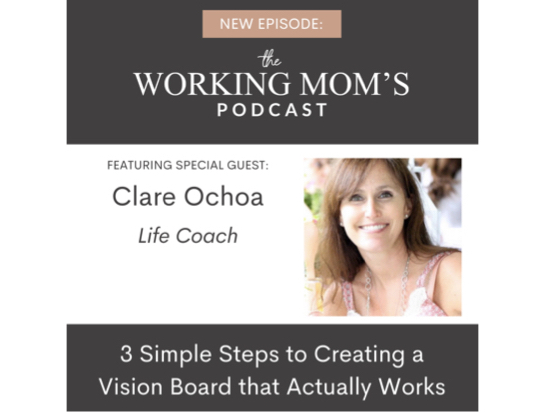
Episode 019: 3 Simple Steps to Creating a Vision Board that Actually Works
Although you likely won’t need to have an entirely new estate plan prepared for you, upon relocating to another state, you should definitely have your existing plan reviewed by an estate planning lawyer who is familiar with your new home state’s laws. Each state has its own laws governing estate planning, and those laws can differ significantly from one location to another.
Given this, you’ll want to make sure your planning documents all comply with the new state’s laws, and the terms of those documents still work as intended. Here, we’ll discuss how differing state laws can affect common planning documents and the steps you might want to take to ensure your documents are properly updated.
Last Will and Testament
The good news is, most states will accept a will that was executed properly under another state’s laws. However, there could be differences in the new state’s laws that make certain provisions in your will invalid. Here are a few of the things you should pay the most attention to in your will when moving:
Your executor: Consider whether or not the executor or administrator you’ve chosen will be able to serve in that role in your new location. Every state will allow an out-of-state executor to serve, but some states have special requirements that those executors must meet, such as requiring them to post a bond before serving. Other states require non-resident executors to appoint an agent who lives within the state to accept legal documents on behalf of the estate.
Marital property: If you are married, give special consideration to how your new state treats marital property. While a common-law state might treat the property you own in your name alone as yours, community-property states treat all of your property as owned jointly with your spouse. If your new state treats marital property differently, you might need to draft a new will to ensure your wishes are honored.
Interested witnesses: Another important role under your will to consider when moving to a new state is an interested witness. An interested witness is someone who was a witness to your will who also receives a gift from your will. Some states allow interested witnesses to receive the gift, while other states do not allow such gifts. And still other states allow such gifts provided the witness is a family member.
Revocable Living Trust
A valid revocable living trust from one state should continue to be valid in your new state. However, you need to make certain that you transfer any new assets or property you acquire, such as your new home, to your trust, so that those assets can avoid the need to go through probate before being distributed to your heirs upon your death.
Power of Attorney
A valid power of attorney document, such as a durable power of attorney, medical power of attorney, or financial power of attorney, created in one state may be valid in your new state. However, you shouldn’t just assume it will be accepted, and you should check with a lawyer like us to make certain your document will work 100% as intended.
What’s more, in some cases, banks, financial institutions, and healthcare facilities in your new state may not accept a power of attorney document if it’s unfamiliar to them, which is another reason to have these documents reviewed by a professional. Finally, simply as a practical matter, it may be a good idea to have your power of attorney agent live in the same state you do, so keep that in mind as well.
Advance Directive/ Living Will
When it comes to advance directives, such as a living will and medical power of attorney, you’ll find that most states will accept documents that were created in other states, but this isn’t guaranteed. Some states, for example, don’t even have any laws governing these matters, so healthcare professionals may be hesitant to accept out-of-state documents.
Furthermore, the provisions, forms, and language used in advance directives can vary widely between states. For example, some states combine a medical power of attorney with a living will, so that you get to name the person in charge of making your medical decisions in the event of your incapacity and spell out your specific wishes for care all in one document. Yet, in other states the documents are separate. For these reasons, you should enlist the help of a lawyer to make sure your advance directives will be honored in your new locale.
While you are reviewing your directives for your new state, you should also review them to ensure they are clear on your wishes regarding how you should be given nutrition and hydration if hospitalized. Many directives aren’t specific enough in this area, and this is exactly what led to the lengthy battle over Terry Schiavo’s life. In addition, check to see if you want to add or change any provisions to account for the current realities of COVID-19.
Beneficiary Designations
If you have accounts with beneficiary designations, such as 401(k)s, life insurance policies, and payable-on-death bank accounts, these should be valid no matter which state you live in. That said, you should still review these documents when you move to ensure that your address and other personal information is updated.
Keep Your Plan Current
As with other major life events, such as births, deaths, and divorce, moving to a new state is the ideal time to have your plan reviewed by a professional. With us, as your Personal Family Lawyer®, we’ll not only support you in creating the planning documents that are best suited for your situation and asset profile, but we also have systems and processes in place to ensure your documents stay totally updated throughout your lifetime.
Additionally, for parents of minor children, we can also help you create the legal documents for naming both short and long-term guardians, who would care for your kids in the event of your death of incapacity. This is so important; we’ve developed a comprehensive system called the Kids Protection Plan® that guides you step-by-step through the process of creating the legal documents naming these guardians.
You can get the process of naming guardians started right now for free by visiting our user-friendly website: https://kidsprotectionplan.com.
Proper estate planning can keep your family out of conflict, out of court, and out of the public eye. Are you ready to protect your loved ones and legacy? Check out my next presentation.

Moving To A New State? Remember to Update Your Estate Plan
While the quarantines, shutdowns, and social distancing measures related to the pandemic have been difficult for everyone, the elderly have been particularly hard hit. Since seniors face the most health risks from COVID-19, most of them have been careful to avoid close contact with their family members, and this has left many grandparents unable to visit with their grandchildren for close to a year now.
This loss of in-person connection for such an extended period of time can cause people to feel isolated and lonely, which can eventually lead to mental health issues like depression. At the same time, children who are unable to spend time with their grandparents may experience confusion and anxiety over their lost relationship.
Seeing that the pandemic currently seems to be getting worse, there’s no telling how long it will be before these social distancing restrictions will be lifted. With no end in sight, it’s important for grandparents and grandkids to find ways of staying connected during this period and not miss out on the beneficial effects a close relationship can engender.
With this in mind, here are a few tips for helping seniors maintain a connection with their grandchildren during the pandemic using web-based technology like FaceTime, email, and instant messaging (IM). And though video chats, texts, and IMs will never replace in-person visits, they offer one of the most effective ways of keeping those relationships—and everyone’s spirits—as strong as possible during these dark times.
1. Reading Stories
One way for grandparents to feel more connected with their grandkids is to read stories over video chat or smartphone. Choose a favorite book at the grandchild’s reading level, and take turns reading pages. This can give the grandchild the added benefits of improving reading skills, building their vocabulary, and helping them develop their speaking abilities. By picking a regular time to call and read together each week, it can also give both of them something to look forward to.
2. Playing Games
Even though in-person visits are too risky right now, family game night can still happen. Grandparents and grandkids have many options for online gaming, including even classic board games, such as Scrabble, Monopoly, and Clue. Like their traditional counterparts, online games also help children develop math and vocabulary skills while they are having fun.
3. Emailing, Texting, and Instant Messaging
Texts, emails, and IMs sent to one another on a regular basis can help grandparents stay connected and up-to-date with the latest developments in their grandkids’ lives. To catch up with one another, seniors can talk about what is happening in their lives and ask the grandkids to discuss the latest events in their own lives. When grandchildren use texts and emails, it also helps them practice writing out their thoughts and work on their spelling and grammar.
4. Mailing Letters or Postcards
These days, letter writing almost seems like lost art. But sending personal letters and postcards is a great way for grandparents and grandchildren to connect with one another. Handwritten letters and postcards can also be prized keepsakes that will help grandchildren remember their grandparents long after they are gone. When possible, children should be encouraged to hand-write letters and postcards instead of typing and printing them out. They can also decorate their letters or postcards with drawings and art.
5. Group Video Chats and Phone Calls
Tech-savvy grandparents can use video chat apps like Skype, FaceTime, and Google Duo to visit with the grandkids in a group setting, where everyone can see and interact with one another. Video chats also allow grandparents to see how their grandchildren age over time, which can be extremely rapid during their first few years of life. Even extremely young children like toddlers can participate in video chats, which can help them bond with their senior loved ones, even across vast distances.
And if video chats aren’t something a senior feels comfortable with, a similar experience can be achieved simply by using a cell phone or even a landline set to speaker mode. These video chats and phone calls can be scheduled, so they occur on an ongoing basis, such as every Sunday evening, which gives everyone something to look forward to. Even short, 15 to 20-minute calls made on a regular basis can help grandparents and grandkids feel more connected and less isolated.
For the Love of Your Family
With coronavirus infections and deaths currently surging to record levels, it’s more critical than ever for parents and grandparents to ensure their estate planning is complete and up-to-date, including naming both short and long-term guardians for your minor children. If you’ve yet to name guardians for your kids, you should do so immediately, and you can get this process started right now using our free online resource, known as the Kids Protection Plan®.
In addition to ensuring your kids will be protected and provided for no matter what, the estate planning process itself can offer a unique opportunity to enhance your connection with your children and grandchildren. Communicating clearly about what you want to happen in the event of your death or incapacity (and talking with your kids about what they want) can foster a deep bond and sense of intimacy.
Though such conversations can feel awkward, with us as your Personal Family Lawyer®, we can help guide and support you in having these intimate discussions in an age-and-stage appropriate way with your children. In fact, our clients consistently share that after undergoing our estate planning process, they feel a deeper sense of connection with their children. Schedule an appointment with us today to get started.
Proper estate planning can keep your family out of conflict, out of court, and out of the public eye. Are you ready to protect your loved ones and legacy? Check out my next presentation.

5 Tips For Keeping Kids Connected With Grandparents During the Pandemic
“Lorem ipsum dolor sit amet, consectetur adipiscing elit, sed do eiusmod tempor incididunt ut labore et dolore magna aliqua. Ut enim ad minim veniam, quis nostrud exercitation ullamco laboris nisi ut aliquip ex ea commodo consequat. Duis aute irure dolor in reprehenderit in voluptate velit esse cillum dolore eu fugiat nulla pariatur. Excepteur sint occaecat cupidatat non proident, sunt in culpa qui officia deserunt mollit anim id est laborum.”
Quotes:
“Lorem ipsum dolor sit amet, consectetur adipiscing elit, sed do eiusmod tempor incididunt ut labore et dolore magna aliqua. Ut enim ad minim veniam, quis nostrud exercitation ullamco laboris nisi ut aliquip ex ea commodo consequat. Duis aute irure dolor in reprehenderit in voluptate velit esse cillum dolore eu fugiat nulla pariatur. Excepteur sint occaecat cupidatat non proident, sunt in culpa qui officia deserunt mollit anim id est laborum.”
Links Mentioned:
“Lorem ipsum dolor sit amet, consectetur adipiscing elit, sed do eiusmod tempor incididunt ut labore et dolore magna aliqua. Ut enim ad minim veniam, quis nostrud exercitation ullamco laboris nisi ut aliquip ex ea commodo consequat. Duis aute irure dolor in reprehenderit in voluptate velit esse cillum dolore eu fugiat nulla pariatur. Excepteur sint occaecat cupidatat non proident, sunt in culpa qui officia deserunt mollit anim id est laborum.”

Episode 018: Losing Weight for the Last Time
“Lorem ipsum dolor sit amet, consectetur adipiscing elit, sed do eiusmod tempor incididunt ut labore et dolore magna aliqua. Ut enim ad minim veniam, quis nostrud exercitation ullamco laboris nisi ut aliquip ex ea commodo consequat. Duis aute irure dolor in reprehenderit in voluptate velit esse cillum dolore eu fugiat nulla pariatur. Excepteur sint occaecat cupidatat non proident, sunt in culpa qui officia deserunt mollit anim id est laborum.”
Subheading
“Lorem ipsum dolor sit amet, consectetur adipiscing elit, sed do eiusmod tempor incididunt ut labore et dolore magna aliqua. Ut enim ad minim veniam, quis nostrud exercitation ullamco laboris nisi ut aliquip ex ea commodo consequat. Duis aute irure dolor in reprehenderit in voluptate velit esse cillum dolore eu fugiat nulla pariatur. Excepteur sint occaecat cupidatat non proident, sunt in culpa qui officia deserunt mollit anim id est laborum.”
Subheading
“Lorem ipsum dolor sit amet, consectetur adipiscing elit, sed do eiusmod tempor incididunt ut labore et dolore magna aliqua. Ut enim ad minim veniam, quis nostrud exercitation ullamco laboris nisi ut aliquip ex ea commodo consequat. Duis aute irure dolor in reprehenderit in voluptate velit esse cillum dolore eu fugiat nulla pariatur. Excepteur sint occaecat cupidatat non proident, sunt in culpa qui officia deserunt mollit anim id est laborum.”
Subheading
“Lorem ipsum dolor sit amet, consectetur adipiscing elit, sed do eiusmod tempor incididunt ut labore et dolore magna aliqua. Ut enim ad minim veniam, quis nostrud exercitation ullamco laboris nisi ut aliquip ex ea commodo consequat. Duis aute irure dolor in reprehenderit in voluptate velit esse cillum dolore eu fugiat nulla pariatur. Excepteur sint occaecat cupidatat non proident, sunt in culpa qui officia deserunt mollit anim id est laborum.”
Subheading
“Lorem ipsum dolor sit amet, consectetur adipiscing elit, sed do eiusmod tempor incididunt ut labore et dolore magna aliqua. Ut enim ad minim veniam, quis nostrud exercitation ullamco laboris nisi ut aliquip ex ea commodo consequat. Duis aute irure dolor in reprehenderit in voluptate velit esse cillum dolore eu fugiat nulla pariatur. Excepteur sint occaecat cupidatat non proident, sunt in culpa qui officia deserunt mollit anim id est laborum.”
Subheading
“Lorem ipsum dolor sit amet, consectetur adipiscing elit, sed do eiusmod tempor incididunt ut labore et dolore magna aliqua. Ut enim ad minim veniam, quis nostrud exercitation ullamco laboris nisi ut aliquip ex ea commodo consequat. Duis aute irure dolor in reprehenderit in voluptate velit esse cillum dolore eu fugiat nulla pariatur. Excepteur sint occaecat cupidatat non proident, sunt in culpa qui officia deserunt mollit anim id est laborum.”
Subheading
“Lorem ipsum dolor sit amet, consectetur adipiscing elit, sed do eiusmod tempor incididunt ut labore et dolore magna aliqua. Ut enim ad minim veniam, quis nostrud exercitation ullamco laboris nisi ut aliquip ex ea commodo consequat. Duis aute irure dolor in reprehenderit in voluptate velit esse cillum dolore eu fugiat nulla pariatur. Excepteur sint occaecat cupidatat non proident, sunt in culpa qui officia deserunt mollit anim id est laborum.”
Proper estate planning can keep your family out of conflict, out of court, and out of the public eye. Are you ready to protect your loved ones and legacy? Check out my next presentation.

What You Should Know About Long-Term Care Insurance
Last week in part one of this series we discussed how Hsieh became an Internet pioneer, starting two wildly successful companies, LinkExchange and Zappos, the latter of which he sold to Amazon for $1.2 billion. It was as CEO of the online shoe brand Zappos where Hsieh developed his vision for life and business: delivering happiness.
A Double Life
Hsieh outlined this mission in the 2010 book, Delivering Happiness: A Path To Profits, Passion and Purpose, which became a New York Times number-one bestseller. Yet while the young entrepreneur was busy bringing joy to his customers, employees, and friends, Hsieh was privately coping with mental health issues and substance abuse. These struggles reportedly intensified in 2020, as the pandemic-related quarantines put an end to the non-stop parties and socializing Hsieh came to crave.
Hsieh’s downward spiral also coincided with his relocation from Las Vegas to Park City, Utah. In Park City, Hsieh became further isolated from longtime friends, surrounding himself with a new group of friends, many of whom were reportedly much younger than Hsieh and encouraged his escalating use of drugs, including ketamine, ecstasy, and nitrous oxide.
Friends With Benefits
Further complicating matters was the fact that many of Hsieh’s new friends had moved to Park City after Hsieh promised to double their highest salary if they would relocate with him and assist with his efforts to revitalize the downtown area of the ski-resort town.
The Wall Street Journal reported that the walls of Hsieh’s Park City mansion were covered in thousands of color-coded sticky notes, which Hsieh used to record financial commitments he made to employees, friends, and local businesses. What’s more, Hsieh reportedly purchased dozens of properties in Park City, including homes, condos, and businesses, all of which were owned through a number of limited liability companies (LLCs).
In August, Hsieh announced that he was retiring as CEO of Zappos, which he had run largely autonomously for more than a decade after selling the company to Amazon in 2009. Around that same time, family members and friends worried about Hsieh’s increased drinking and drug use, reportedly staged multiple interventions in an attempt to get him professional help.
Although reluctant at first, Hsieh eventually decided he would seek treatment for his addictions. According to the Wall Street Journal, Hsieh was going to check himself into a rehab facility in Hawaii following the Thanksgiving holiday, which he planned to spend with his girlfriend in Connecticut. Sadly, Hsieh would never make it to Hawaii, as he perished from injuries he suffered after being pulled unconscious from a house fire in the early morning hours of November 18th.
A Life Cut Short
During his visit to Connecticut, Hsieh stayed in a waterfront home in New London, with his longtime girlfriend and former Zappos executive, Rachael Brown, as well as his brother, Andy Hsieh. According to property records, Hsieh purchased the $1.3 million home for Brown in August 2020, but it was a likely vacation home, as Brown reportedly lived with Hsieh in Park City, according to the Las Vegas Review Journal.
It remains unclear what started the fire. Based on reports from the Wall Street Journal, at some point in the evening, Hsieh told others in the house that he was going to a storage shed that was attached to the home, and that they should check on him regularly throughout the night. From there, Hsieh apparently locked himself—either intentionally or by accident—in the storage room and wasn’t seen or heard from again.
When firefighters arrived on the scene around 3:30 am, they found smoke billowing from the storage area at the back of the house where Hsieh was located. The others staying in the house told first responders Hsieh was locked inside the shed and was not responding to their pleas for him to come out. Firefighters were forced to break through the door into the storage area, where they found Hsieh lying unconscious.
Paramedics performed CPR on Hsieh at the scene, and then he was flown to a local hospital, before being relocated to the Bridgeport Hospital Burn Center, where he ultimately died nine days later on November 27th—just two weeks before his 47th birthday. Because the investigation into the fire is still ongoing, local authorities are not releasing any information about the suspected cause of the fire, but they maintain Hsieh’s death was accidental and caused by complications from smoke inhalation.
Cleaning Up the Mess
Hsieh is survived by two brothers and his parents. Just a week after his death in early December, a judge in Clark County, Nevada, granted a motion filed by Hsieh’s father, Richard, and his older brother, Andrew, to be named co-special administrators and legal representatives for his estate. In the ruling, the judge ruled that Hsieh’s personal and business affairs “require immediate attention to prevent loss to the estate.”
According to court reports, Hsieh’s family was unclear whether or not he had a will or any other planning documents. His father and brother sought to be named administrators of his estate, so they could access his safety deposit boxes and speak with his lawyers and other associates in order to determine if he had made any plans for how his assets should be managed upon his death.
Although Hsieh had moved to Park City earlier in the year, he was still listed as a resident of Nevada. This means that if no will is found, all $840 million of Hsieh’s assets will be distributed under Nevada’s intestate succession laws. According to those laws, Hsieh’s mother and father stand to inherit his entire estate.
However, before any of his assets can be transferred, they must first be located. Given the immense size and scope of the assets Hsieh likely accumulated over his lifetime, just identifying everything he owned will likely take his loved ones several months or even years. Depending on the type of records Hsieh kept, it’s quite likely that some of his assets will never be located, and instead of passing to his family or funding one of Hsieh’s favorite philanthropic causes, those assets will end up in the state Department of Unclaimed Property.
In addition to locating his assets, Hsieh’s family must also pay off any debts or liabilities Hsieh incurred during his lifetime. And this process will undoubtedly be extremely complicated due to his penchant for doubling his friends’ salaries in exchange for relocating to Park City with him.
Each one of the thousands of sticky notes covering the walls of Hsieh’s mansion in Park City could potentially be considered a valid contract, and if so, each of those individuals could have a claim against his estate. To complicate matters even more, it’s highly likely that there will be questions as to whether Hsieh was in a sound state of mind during his final months and if he had the mental capacity to even make binding contracts.
Hsieh’s failure to use formal legal agreements to govern his business relationships will undoubtedly lead to bitter court battles, pitting his family against some of the so-called “friends” Hsieh surrounded himself with during his final months.
Furthermore, Hsieh’s recent spending spree on real estate and businesses in Park City, much of it done through multiple LLCs, will also need to be sorted through. This will be a particularly lengthy and expensive process given that his loved ones must deal with the court process of probate not only in Hsieh’s home state of Nevada, but in every state he owned property in.
Finally, once all of Hsieh’s debts and creditors have been paid via probate, whatever remains of the estate will be subject to the federal estate tax before it can pass to his parents. The estate tax is not a factor for most people, as the tax code provides for a hefty exclusion that can be used to transfer a certain amount of wealth tax free to your heirs upon your death.
Yet given Hsieh’s massive fortune, his family will be hit with a tax bill that could potentially run in the hundreds of millions. Based on the federal estate tax exclusion for 2021, the first $11.7 million of Hsieh’s estate will pass tax-free to his family, but whatever remains of his $840 million estate after probate will be taxed at a whopping 40% rate.
A Sad Lesson
The saddest part of this whole situation is that virtually all of the time, money, and stress Hsieh’s family is now forced to endure could have been easily prevented with proper planning. And given his immense wealth, it’s virtually unthinkable that Hsieh didn’t have a team of experienced lawyers and financial advisors pushing him to create at least a minimal level of planning.
Using living trusts, for example, Hsieh could have ensured that all of his assets would pass immediately to the beneficiaries of his choosing upon his death, without the need for probate. At the same time, trusts could also have been set up to mitigate some of Hsieh potential estate tax liability, as well as ensure that some of his wealth went to the numerous charitable and philanthropic causes that were near and dear to Hsieh’s heart.
In addition to creating planning vehicles to ensure the proper distribution of his assets, Hsieh also should have created an updated inventory of all his assets. Such an inventory not only makes creating your estate plan much easier, but most importantly, it allows your loved ones to know what you have, where it is, and how to access it if something happens to you.
With us as your Personal Family Lawyer®, we will not only help you create a comprehensive asset inventory, we’ll make sure it stays regularly updated throughout your lifetime. To help you get this urgent process started, we’ve created a free tool called a Personal Resource Map, where you can start creating your inventory right now, by yourself, without the need for a lawyer.
A Wake Up Call
Following Hsieh’s death, his family released a statement to the press that read in part, “The Hsieh family hopes to carry on Tony’s legacy by spreading the tenets he lived by—finding joy through meaningful life experience, inspiring and helping others, and most of all, delivering happiness.”
While Hsieh’s sudden death is certainly tragic, hopefully it serves as a wake-up call, reminding us all that we never truly know how much time we have left or when the end will come. To honor Hsieh’s legacy and deliver happiness to those you love most, meet with us to put your plan in place today.
Whether you already have a plan created or nothing at all, we’ll find the specific planning strategies best suited for your life situation and asset profile. With us as your Personal Family Lawyer®, you’ll have access to the same planning tools those in the Fortune 500 use, which are designed to keep your family out of court or conflict no matter what happens. Contact us today to get started.
Proper estate planning can keep your family out of conflict, out of court, and out of the public eye. Are you ready to protect your loved ones and legacy? Check out my next presentation.

Former Zappos CEO Tony Hsieh Dies Without A Will—Part 2
Pamela Maass has been recognized as a “Top Lawyer” by 5280 magazine in its annual ranking of the state’s most respected attorneys. https://www.5280.com/2021/01/denvers-top-lawyers-2021/?fbclid=IwAR35V8tvtyzxoi03HKdtpIq7zX9PofcyqYlaY9N9-0j8UrPeuy691Px_dzk
To create its rankings, 5280 magazine surveys nearly 16,000 licensed attorneys in Colorado to identify the most successful and respected lawyers in 50 legal specialties. It then conducts follow-up research to further vet those attorneys who were rated most highly among their peers.
Proper estate planning can keep your family out of conflict, out of court, and out of the public eye. Are you ready to protect your loved ones and legacy? Check out my next presentation.
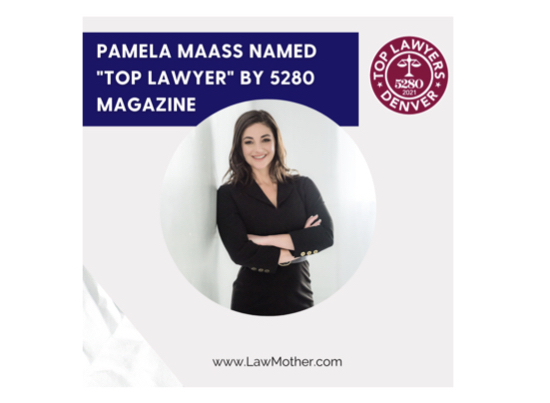
Pamela Maass Named Top Lawyer in 2021 by 5280 Magazine
Proper estate planning can keep your family out of conflict, out of court, and out of the public eye. Are you ready to protect your loved ones and legacy? Check out my next presentation.


.svg)
