

Welcome to the Blog
Keep up with the latest news and updates
“Lorem ipsum dolor sit amet, consectetur adipiscing elit, sed do eiusmod tempor incididunt ut labore et dolore magna aliqua. Ut enim ad minim veniam, quis nostrud exercitation ullamco laboris nisi ut aliquip ex ea commodo consequat. Duis aute irure dolor in reprehenderit in voluptate velit esse cillum dolore eu fugiat nulla pariatur. Excepteur sint occaecat cupidatat non proident, sunt in culpa qui officia deserunt mollit anim id est laborum.”
Subheading
“Lorem ipsum dolor sit amet, consectetur adipiscing elit, sed do eiusmod tempor incididunt ut labore et dolore magna aliqua. Ut enim ad minim veniam, quis nostrud exercitation ullamco laboris nisi ut aliquip ex ea commodo consequat. Duis aute irure dolor in reprehenderit in voluptate velit esse cillum dolore eu fugiat nulla pariatur. Excepteur sint occaecat cupidatat non proident, sunt in culpa qui officia deserunt mollit anim id est laborum.”
Subheading
“Lorem ipsum dolor sit amet, consectetur adipiscing elit, sed do eiusmod tempor incididunt ut labore et dolore magna aliqua. Ut enim ad minim veniam, quis nostrud exercitation ullamco laboris nisi ut aliquip ex ea commodo consequat. Duis aute irure dolor in reprehenderit in voluptate velit esse cillum dolore eu fugiat nulla pariatur. Excepteur sint occaecat cupidatat non proident, sunt in culpa qui officia deserunt mollit anim id est laborum.”
Subheading
“Lorem ipsum dolor sit amet, consectetur adipiscing elit, sed do eiusmod tempor incididunt ut labore et dolore magna aliqua. Ut enim ad minim veniam, quis nostrud exercitation ullamco laboris nisi ut aliquip ex ea commodo consequat. Duis aute irure dolor in reprehenderit in voluptate velit esse cillum dolore eu fugiat nulla pariatur. Excepteur sint occaecat cupidatat non proident, sunt in culpa qui officia deserunt mollit anim id est laborum.”
Subheading
“Lorem ipsum dolor sit amet, consectetur adipiscing elit, sed do eiusmod tempor incididunt ut labore et dolore magna aliqua. Ut enim ad minim veniam, quis nostrud exercitation ullamco laboris nisi ut aliquip ex ea commodo consequat. Duis aute irure dolor in reprehenderit in voluptate velit esse cillum dolore eu fugiat nulla pariatur. Excepteur sint occaecat cupidatat non proident, sunt in culpa qui officia deserunt mollit anim id est laborum.”
Subheading
“Lorem ipsum dolor sit amet, consectetur adipiscing elit, sed do eiusmod tempor incididunt ut labore et dolore magna aliqua. Ut enim ad minim veniam, quis nostrud exercitation ullamco laboris nisi ut aliquip ex ea commodo consequat. Duis aute irure dolor in reprehenderit in voluptate velit esse cillum dolore eu fugiat nulla pariatur. Excepteur sint occaecat cupidatat non proident, sunt in culpa qui officia deserunt mollit anim id est laborum.”
Subheading
“Lorem ipsum dolor sit amet, consectetur adipiscing elit, sed do eiusmod tempor incididunt ut labore et dolore magna aliqua. Ut enim ad minim veniam, quis nostrud exercitation ullamco laboris nisi ut aliquip ex ea commodo consequat. Duis aute irure dolor in reprehenderit in voluptate velit esse cillum dolore eu fugiat nulla pariatur. Excepteur sint occaecat cupidatat non proident, sunt in culpa qui officia deserunt mollit anim id est laborum.”
Proper estate planning can keep your family out of conflict, out of court, and out of the public eye. Are you ready to protect your loved ones and legacy? Check out my next presentation.

Nonprofit of the Month – Ray of Hope Cancer Foundation
Legendary TV and radio host, Larry King, died at Cedars-Sinai Medical Center in Los Angeles on January 23rd, 2021 at age 87. Larry was hospitalized in December due to COVID-19, but he’d recently been moved from the ICU to a regular hospital room after recovering from the virus. However, the famed broadcaster suffered from a number of other health conditions over the years, including multiple heart attacks, kidney failure, and diabetes, and he passed away from sepsis that was the result of an unrelated infection.
Last week, in part one of this series, we discussed how Larry’s decision to create a handwritten will, rather than take the time to consult with legal counsel to properly update his plan for his impending divorce, is likely to result in a lengthy court battle between Larry’s seventh wife, Shawn Southwick King, and his surviving children. Moreover, we also noted that Larry would have been far better off using a Lifetime Asset Protection Trust, instead of a will, to distribute his assets to his children upon his death.
Here, in the second part of this series, we’ll first look at the different ways a Lifetime Asset Protection Trust would have benefited Larry’s children. From there, we’ll discuss the complications that are likely to arise given that two of Larry’s children died before he had the chance to update his plan—and the planning lessons we can take away from this mistake.
Lifetime Asset Protection Trusts: Airtight Protection For Your Child’s Inheritance
A Lifetime Asset Protection Trust is a unique estate planning vehicle that’s specifically designed to protect your children’s inheritance from unfortunate life events, such as divorce, debt, illness, and accidents. At the same time, the trust gives your children the ability to access and invest their inheritance, while retaining airtight asset protection for their entire lives.
For someone with as much wealth and as many heirs as Larry, a Lifetime Asset Protection Trust, built into his Living Trust, would have been an ideal vehicle to protect and pass on his assets to his heirs. To see why, let’s break down how these unique trusts work.
To avoid the court process of probate that’s inherent with a will-based plan, most lawyers will advise you to put the assets you’re leaving your kids in a revocable living trust—and this is the right move. But most living trusts are structured to distribute your assets outright to your children at certain ages or stages, such as one-third at age 25, half the balance at 30, and the rest at 35. Giving outright ownership of the trust assets in this way leaves them at serious risk of being lost or squandered.
While a living trust may protect your loved ones’ inheritance as long as the assets are held by the trust, once the assets are distributed to the beneficiary, all of the protection previously offered by your trust disappears. For example, let’s say Larry’s youngest sons Chance, 21, and Cannon, 20, both racked up serious debt while in college. If they were to receive one-third of their inheritance at age 25, creditors could take their money if it’s paid to them in an outright distribution.
The same thing would be true if Larry’s oldest son, Larry Jr., 58, got divorced soon after receiving his inheritance, only it would be his soon-to-be ex-wife who would claim a right to the funds in the divorce settlement.
In contrast, a Lifetime Asset Protection Trust gives a Trustee of your choice full discretion on whether to make distributions or not. The Trustee has full authority to determine how and when the assets should be released based on the beneficiary’s needs and the circumstances going on in his or her life at the time. And you can even choose to make your beneficiary the Trustee of their own trust (with some restrictions) for even more flexibility and control.
For example, if Larry Jr. was in the process of getting divorced or in the middle of a lawsuit, the Trustee could refuse to distribute any funds. Therefore, the Trust assets would remain shielded from his future ex-wife or a potential judgment creditor should Larry Jr. be ordered to pay damages resulting from a lawsuit.
And because the Trustee controls access to the inheritance, those assets are not only protected from outside threats like ex-spouses and creditors, but from your child’s own poor judgment, as well. For example, if Chance ever develops a substance abuse or gambling problem, the Trustee could withhold distributions until he receives the appropriate treatment.
What’s more, you can write up guidelines to the Trustee, providing him or her with clear directions about how you’d like the trust assets to be used for your beneficiaries. This ensures the Trustee is aware of your values and wishes when making distributions, rather than simply guessing what you would’ve wanted, which often leads to problems down the road.
In addition to airtight asset protection, a Lifetime Asset Protection Trust can also be set up to give your child hands-on experience managing financial matters, like investing, running a business, and charitable giving. For an in-depth discussion of how this works as well as the other benefits offered by a Lifetime Asset Protection Trust, read our previous post, Lifetime Asset Protection Trusts: Airtight Protection For Your Child’s Inheritance.
Although a Lifetime Asset Protection Trust would have been a great way for Larry to protect and pass on his assets to his children, such trusts aren’t for everyone. That said, contrary to what you might think, Lifetime Asset Protection Trusts are not just for the super wealthy.
Indeed, these protective trusts are even more useful if you’re leaving a relatively modest inheritance, since the smaller the inheritance, the more at risk it is of getting wiped out by a single unfortunate event like a medical emergency or lawsuit. However, if your kids are going to spend the vast majority of their inheritance on everyday expenses and consumables, such trusts probably don’t make much sense.
Meet with us, as your Personal Family Lawyer®, to see if a Lifetime Asset Protection Trust is the right option for your family.
Larry Is Predeceased By Two of His Five Children
The final factor complicating Larry’s estate is the fact that two of his five adult children died just a few months before he did. His son Andy King, 65, unexpectedly passed away of a heart attack in late July 2020, while his daughter Chaia King, 51, died just three weeks later in August from lung cancer. Both children were from Larry’s marriage to his third wife, Alene Akins, who Larry wed in 1961.
While Andy and Chaia predeceased their father, Larry apparently didn’t update his estate plan to account for their deaths. Indeed, Larry’s handwritten will, which was created in October 2019, simply states that in the event of his death, “I want 100% of my funds to be divided equally among my children Andy, Chaia, Larry Jr., Chance, and Cannon.”
Had Larry worked with estate planning lawyers to keep his plan updated, rather than creating a handwritten will, his legal team would have ensured that his will and all of his other planning documents were immediately updated to account for the death of any of his beneficiaries. Along those same lines, had Larry worked with lawyers to amend his plan, his documents would have been drafted with provisions that would address the potential for one (or more) of his beneficiaries to pre-decease him, so even if his plan wasn’t updated, Larry’s assets would pass to the appropriate person or persons.
Based on California law, the share of Larry’s assets that would have passed to Andy and Chaia through his handwritten will are likely to pass to their children (Larry’s grandchildren), if they have any. However, this all depends on whether or not Shawn is able to successfully contest Larry’s handwritten will in court, which she has stated she plans to do. If she is successful, then Larry’s handwritten will would be deemed invalid, and his assets would be divided based on whatever previous estate plan Larry had in place.
Regardless of what happens to Andy and Chaia’s share of the estate, Larry’s plan should have been amended to account for their deaths. This brings us to our third and final estate planning lesson.
Lesson #3: Review your plan annually to make sure it’s up to date, and immediately modify your plan following events like births, deaths, divorce, and inheritances.
As Larry’s case shows, your plan won’t do you any good if it’s not regularly updated. Estate planning is not a one-and-done type of deal; your plan must continuously evolve to keep pace with changes in your family structure, the legal landscape, your assets, and your life goals.
And unfortunately, this kind of thing happens all the time. In fact, outside of not creating any estate plan at all, one of the most common planning mistakes we encounter is when we get called by the loved ones of someone who has become incapacitated or died with a plan that no longer works because it hasn’t been updated. Yet, by the time they contact us, it’s too late.
We recommend you review your plan annually to keep it current, and immediately update it following major life events like births, deaths, divorce, and inheritances. We have built-in systems and processes to ensure your plan is always up to date, so you won’t need to worry about forgetting anything.
If you’ve yet to create a plan, have DIY documents you aren’t sure about, or have a plan created with another lawyer’s help that hasn’t been reviewed in more than a year, meet with us, as your Personal Family Lawyer®. We can ensure that your plan stays 100% current, so it works exactly as intended no matter what.
Don’t Do It Yourself
As Larry King’s story demonstrates, do-it-yourself planning can have terrible consequences for your loved ones—and in the worst cases, it can be even worse than if you had no estate plan at all. To ensure your plan works exactly as intended, contact us, as your Personal Family Lawyer®, to review and update your current plan, or create one if you have yet to do so.
With a Personal Family Lawyer® on your side, you’ll have access to the same planning tools and protections that A-list celebrities use, which are designed to keep your family out of court or conflict no matter what happens. Contact us today to learn more.
Proper estate planning can keep your family out of conflict, out of court, and out of the public eye. Are you ready to protect your loved ones and legacy? Check out my next presentation.

Larry King’s Death Highlights the Importance of Updating Your Estate Plan for Divorce and Death—Part 2
“Don’t find a partner that’s like you,” says Lynn Power, Co-Founder & CEO of MASAMI. As a long-time marketing executive turned co-founder of a successful clean beauty company, Lynn knows what it takes to not only start a business, but reach your audience. In this episode of the Working Moms Podcast, she tells the story of her transition into entrepreneurship, and shares some amazing, inexpensive resources to help you spread the word about your business.
After thirty years in marketing, Lynn wasn’t feeling fulfilled by her job anymore. She had lost that creative spark that got her into marketing in the first place. When she met her co-founder and his husband, Masa (the inspiration for MASAMI!) she knew she’d found something that would inspire her. She talks with Pam about her top tips for developing a killer marketing strategy, some free/cheap resources she’s used to make content and drive brand awareness, and how she balances motherhood and her life as a CEO by dragging her kids along, so they can get in on the action.
Tune in this week to fast track your marketing plan and learn from the best — while embracing the work that truly inspires you.
Quotes:
- “Don’t find a partner or founder/co-founder that’s like you. Don’t clone yourself thinking you can get twice as much done, because it actually doesn’t work that way.” (7:36-7:45)
- “You can really start to create chapters of your story once you know what the title of your book is.” (12:56-13:03)
Links Mentioned:
https://www.instagram.com/lovemasamihair/
Links mentioned in episode
Facebook Group:
https://www.facebook.com/groups/workingmomscolorado
Pamela Maass onLinkedin
Podcast production and show notes provided by FIRESIDE Marketing
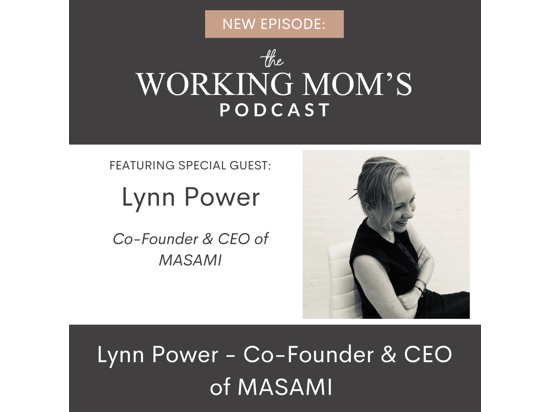
The Working Mom’s Podcast Ep 021: Marketing & Launching a Business
“Lorem ipsum dolor sit amet, consectetur adipiscing elit, sed do eiusmod tempor incididunt ut labore et dolore magna aliqua. Ut enim ad minim veniam, quis nostrud exercitation ullamco laboris nisi ut aliquip ex ea commodo consequat. Duis aute irure dolor in reprehenderit in voluptate velit esse cillum dolore eu fugiat nulla pariatur. Excepteur sint occaecat cupidatat non proident, sunt in culpa qui officia deserunt mollit anim id est laborum.”
Subheading
“Lorem ipsum dolor sit amet, consectetur adipiscing elit, sed do eiusmod tempor incididunt ut labore et dolore magna aliqua. Ut enim ad minim veniam, quis nostrud exercitation ullamco laboris nisi ut aliquip ex ea commodo consequat. Duis aute irure dolor in reprehenderit in voluptate velit esse cillum dolore eu fugiat nulla pariatur. Excepteur sint occaecat cupidatat non proident, sunt in culpa qui officia deserunt mollit anim id est laborum.”
Subheading
“Lorem ipsum dolor sit amet, consectetur adipiscing elit, sed do eiusmod tempor incididunt ut labore et dolore magna aliqua. Ut enim ad minim veniam, quis nostrud exercitation ullamco laboris nisi ut aliquip ex ea commodo consequat. Duis aute irure dolor in reprehenderit in voluptate velit esse cillum dolore eu fugiat nulla pariatur. Excepteur sint occaecat cupidatat non proident, sunt in culpa qui officia deserunt mollit anim id est laborum.”
Subheading
“Lorem ipsum dolor sit amet, consectetur adipiscing elit, sed do eiusmod tempor incididunt ut labore et dolore magna aliqua. Ut enim ad minim veniam, quis nostrud exercitation ullamco laboris nisi ut aliquip ex ea commodo consequat. Duis aute irure dolor in reprehenderit in voluptate velit esse cillum dolore eu fugiat nulla pariatur. Excepteur sint occaecat cupidatat non proident, sunt in culpa qui officia deserunt mollit anim id est laborum.”
Subheading
“Lorem ipsum dolor sit amet, consectetur adipiscing elit, sed do eiusmod tempor incididunt ut labore et dolore magna aliqua. Ut enim ad minim veniam, quis nostrud exercitation ullamco laboris nisi ut aliquip ex ea commodo consequat. Duis aute irure dolor in reprehenderit in voluptate velit esse cillum dolore eu fugiat nulla pariatur. Excepteur sint occaecat cupidatat non proident, sunt in culpa qui officia deserunt mollit anim id est laborum.”
Subheading
“Lorem ipsum dolor sit amet, consectetur adipiscing elit, sed do eiusmod tempor incididunt ut labore et dolore magna aliqua. Ut enim ad minim veniam, quis nostrud exercitation ullamco laboris nisi ut aliquip ex ea commodo consequat. Duis aute irure dolor in reprehenderit in voluptate velit esse cillum dolore eu fugiat nulla pariatur. Excepteur sint occaecat cupidatat non proident, sunt in culpa qui officia deserunt mollit anim id est laborum.”
Subheading
“Lorem ipsum dolor sit amet, consectetur adipiscing elit, sed do eiusmod tempor incididunt ut labore et dolore magna aliqua. Ut enim ad minim veniam, quis nostrud exercitation ullamco laboris nisi ut aliquip ex ea commodo consequat. Duis aute irure dolor in reprehenderit in voluptate velit esse cillum dolore eu fugiat nulla pariatur. Excepteur sint occaecat cupidatat non proident, sunt in culpa qui officia deserunt mollit anim id est laborum.”
Proper estate planning can keep your family out of conflict, out of court, and out of the public eye. Are you ready to protect your loved ones and legacy? Check out my next presentation.

Top 5 Most Important Estate Planning Documents
Legendary TV and radio host, Larry King, died at Cedars-Sinai Medical Center in Los Angeles on January 23rd, 2021 at age 87. Larry was hospitalized in December due to COVID-19, but he’d recently been moved from the ICU to a regular hospital room after recovering from the virus. However, the famed broadcaster suffered from a number of other health conditions over the years, including multiple heart attacks, kidney failure, and diabetes, and he passed away from sepsis that was the result of an unrelated infection.
With a career spanning more than half a century, Larry became the most famous interviewer of his generation as the host of CNN’s Larry King Live, a follow-up to his nationwide call-in radio show, The Larry King Show, which started in 1978.Larry retired from CNN in 2010, but up until the very end, he still hosted the streaming video cast “Larry King Now” on Hulu and RT America.
With his success in the media and the fact he continued working long after most people would have retired, Larry amassed a fortune estimated to be worth some $50 million. In addition to Larry’s fame as a broadcaster, he also became equally well known for his numerous marriages. Starting at age 19, the media mogul got married a total of eight times to seven different women (one of them, he married twice).
With so many marriages, Larry also had multiple children. He was the father of five children: Chaia King, Larry King Jr., Cannon Edward King, Chance Armstrong King, and Andy King. Larry also had nine grandchildren and four great-grandchildren. With so much money, so many spouses, and so many children, it was practically guaranteed there would be some conflict over Larry’s estate following his death.
However, three factors are sure to make settling his estate especially troublesome.
First, Larry was in the middle of negotiating a divorce settlement with his seventh wife, Shawn Southwick King, 61, when he passed away. Second, in October 2019, Larry created a new handwritten will, which stipulated that $2 million of his estate should be equally divided among his five children upon his death, yet the document makes no mention of his seventh wife.
And finally, two of the five children—Andy, 65, and Chaia, 51, —named in Larry’s new will died within weeks of one another in August 2020, yet it seems Larry failed to amend his handwritten will to reflect their deaths.
Given Larry’s immense wealth and the fact that his seventh wife claims they worked with estate planning lawyers in the past, it’s likely that he had other estate planning vehicles, such as trusts, in place to protect and pass on some of his assets. But since trusts are private and their contents generally aren’t made available to the public, we don’t know the full details of Larry’s estate plan.
That said, in light of his impending divorce, the existence of the new handwritten will, and the recent death of two of Larry’s children, it’s almost certain that there will be a major court fight between Larry’s seventh wife and his surviving children over the $2 million in assets listed in the new will. In fact, Shawn has already announced that she plans to contest the handwritten will.
In the end, the fallout from this legal battle could make Larry famous for another reason—failed estate planning. However, with the proper planning, nearly all of the impending conflict over Larry’s estate could have been avoided. On that note, here we’ll outline several planning lessons we can learn from Larry’s death.
Till Death Do Us Part
The first factor that makes Larry’s case so contentious is his last divorce—or lack thereof. Larry filed for divorce from his seventh wife, Shawn Southwick King, in August 2019. As with most divorces, it can take some time for the two parties to reach a final settlement arrangement (especially when it’s a long marriage like the King’s, who were married for 23 years), and Shawn and Larry were apparently still negotiating their divorce settlement when he died in January 2021.
According to The Wealth Advisor, at the time of his death, Larry was paying Shawn spousal support as part of their ongoing divorce negotiation, and she was reportedly seeking $1 million in annual spousal support as part of that deal. However, given that Larry died before the divorce was finalized, Shawn could inherit far more than that—and this is true in spite of the existence of Larry’s new will or even prior estate plans.
The reason Shawn stands to inherit so much is because California is a community-property state. Under California’s community-property laws, unless there was a prenuptial agreement or post-nuptial agreement stating otherwise, Shawn is entitled to 50% of any marital assets acquired during marriage, regardless of what Larry’s estate plan leaves her.
Given that the couple was married for more than two decades, Shawn’s ultimate inheritance will likely far exceed the $1 million per year she was seeking in the divorce settlement, which is something Larry likely would have wanted to avoid. What’s more, given that Shawn is planning to contest Larry’s new will in court, Larry’s surviving children are now facing the prospect of a costly legal battle.
This brings us to our first estate planning lesson.
Lesson #1: Update your estate plan as soon as divorce is inevitable
Although Larry attempted to do the right thing by creating the new will, he should have taken the time to work with legal counsel to properly update his plan once he knew he was getting divorced—and ideally, before the divorce was filed. As we pointed out in a prior blog post about estate planning and divorce, it’s imperative that you create new planning documents as soon as you realize divorce is inevitable.
While California is one of the few states where you can change your will before your divorce is final, in many states, once divorce papers have been filed with the court, you are not legally allowed to change your will or trust document. To this end, once you know divorce is on the horizon, you need to act immediately to amend your estate plan.
When creating a new will or trust, rethink how you want your assets divided upon your death. This most likely means naming new beneficiaries for any assets that you’d previously left to your future ex and his or her family. And because most married couples name each other as their executor and/or trustee of their estate, it’s important to name a new person to fill these roles as well.
As we saw in Larry’s case, it’s important to keep in mind that some states have community-property laws that entitle your surviving spouse to a certain percentage of the marital estate upon your death, no matter what your plan dictates. So if you die before the divorce is final, as Larry did, you probably won’t be able to entirely disinherit your surviving spouse in your will or trust. But you can amend your plan to ensure the proper individuals inherit the remaining percentage of your estate should you pass away while your divorce is still ongoing.
Had Larry worked with his estate planning lawyer to draft his new will, rather than writing his own by hand, he could have created a much more robust will that not only would have stipulated exactly how he wanted his share of the marital assets divided among his children upon his death, but he also could have prevented a number of conflicts inherent with do-it-yourself planning. This brings us to our second planning lesson.
Lesson #2: Always work with an experienced estate planning lawyer when creating or updating your planning documents, especially if you have a blended family.
While it’s always a good idea to have a lawyer help you create your planning documents, this is exponentially true when you have a blended family like Larry’s. If you are in a second (or more) marriage, with children from a prior marriage, there’s an inherent risk of dispute because your children and spouse often have conflicting interests, particularly if there’s significant wealth at stake.
The risk for conflict is significantly increased if you are seeking to disinherit a family member. By creating your own will, even with the help of an online document service, you won’t be able to consider and plan ahead to avoid all the potential legal and family conflicts that could arise. For example, had Larry enlisted the help of an experienced estate planning lawyer to create his new will, he could have built in provisions that would have made it unlikely that Shawn—or anyone else—would contest his will.
It remains to be seen whether or not Shawn will be able to successfully contest the validity of Larry’s new will. However, because the new will was created in such an informal manner, her case will be a lot stronger than it would’ve been had Larry worked with lawyers to formally create a new document. Indeed, Shawn told The New York Post’s Page Six that Larry never told her about the new will, and she believes someone pressured him to draw it up. If a trusted estate planning lawyer had been involved, the threat of such “duress” would be much less viable.
Commenting on the discovery of the new will, Shawn told Page Six, “We had a very watertight family estate plan. It still exists, and it is the legitimate will. Period. And I fully believe it will hold up, and my attorneys are going to be filing a response , probably by the end of the day.”
While handwritten wills, also known as holographic wills, can be valid, we don’t know the full circumstances surrounding the will’s creation, but several issues stand out. First, the fact that Larry was suffering from multiple serious health conditions and was in and out of the hospital could lead the court to question whether or not Larry was of sound mind when he created the new document.
Additionally, Shawn’s claim that Larry was pressured into changing his will could raise questions as to whether or not Larry was coerced into disinheriting her by one of his children, who sought to increase his or her share of the estate. And even if Shawn isn’t successful in contesting Larry’s new will, the resulting litigation will be a lengthy, costly, and needless ordeal that will deplete Larry’s estate at the expense of all of his heirs.
Finally, had Larry consulted with an attorney when seeking to amend his plan to account for his impending divorce, he would have been advised that a will is not the ideal planning vehicle for protecting and passing on his assets to his children. Instead, Larry could have used a trust for this purpose. And while there are several types of trusts available, we would have advised Larry to create a special type of trust known as a Lifetime Asset Protection Trust.
Using a Lifetime Asset Protection Trust, Larry could have not only immediately transferred his share of the marital assets to his children upon his death or incapacity, without the need for court intervention, but he could have also ensured that those assets would transfer with airtight protection from common life events like divorce, serious illness, lawsuits, and even bankruptcy. Best of all, this asset protection would last for the lifetime of his designated beneficiaries.
Sadly, Larry chose to pass those assets to his children via a will and with no protection, which guarantees that his family will have to go to court in order to gain ownership of his share of the assets.
Next week, in part two of this series we’ll discuss how a Lifetime Asset Protection Trust would have benefited Larry and his family, as well as the complications that are likely to arise given that two of Larry’s children died before he had the chance to update his plan.
“Lorem ipsum dolor sit amet, consectetur adipiscing elit, sed do eiusmod tempor incididunt ut labore et dolore magna aliqua. Ut enim ad minim veniam, quis nostrud exercitation ullamco laboris nisi ut aliquip ex ea commodo consequat. Duis aute irure dolor in reprehenderit in voluptate velit esse cillum dolore eu fugiat nulla pariatur. Excepteur sint occaecat cupidatat non proident, sunt in culpa qui officia deserunt mollit anim id est laborum.”
Proper estate planning can keep your family out of conflict, out of court, and out of the public eye. Are you ready to protect your loved ones and legacy? Check out my next presentation.

Larry King’s Death Highlights the Importance of Updating Your Estate Plan for Divorce and Death—Part 1
If you use Facebook to share, track, and report on important life events, it can provide an intimate snapshot of your life, and it can also serve as a key part of your legacy—and one you’ll likely want to protect following your death. With this in mind, as with any other digital asset you own, you should include your Facebook profile as part of your estate plan.
While you’ll want to include your Facebook profile in your plan’s inventory of digital assets, Facebook also offers a special function, known as a “legacy contact,” for managing your profile after death. Using a legacy contact, you can choose someone to look after your account and control the activities of your account once you’ve passed away.
If you are interested in preserving your digital legacy using Facebook’s legacy contact, here we’ll break down the basics of how this function works. To learn more about protecting and passing on the rest of your digital assets, meet with us, as your Personal Family Lawyer®, to discuss the different options available.
Managing Your Digital Afterlife
At the time of your death, Facebook allows your account to be “memorialized,” so friends and family can gather and share memories of you and your life. To have your account memorialized, Facebook requires proof of the account holder’s death using a special request form and evidence of death, such as an obituary. Facebook accounts can be memorialized regardless of whether or not a legacy contact has been selected.
Once your account has been memorialized, only confirmed friends can see your profile or find it in a search. Your memorialized profile will no longer appear in friend suggestions, nor will anyone receive birthday updates or other account notifications.
When your account is memorialized, the word “Remembering” will be added next to your profile name. Depending on your privacy settings, friends and family members can post content and share memories on your timeline. A memorialized account is locked, so its original content cannot be altered or deleted, even if someone has your password information.
What Your Legacy Contact Can Do
If you’ve designated a legacy contact, once your account has been memorialized, that individual will be able to manage your Facebook account based on the permissions you’ve granted him or her. As with any other person you select to manage your assets after your death, you’ll want to carefully consider who to name as your legacy contact, as this individual will have control over your memorialized Facebook account and therefore also control your legacy to some extent.
Your Facebook legacy contact can perform several functions, including:
● Write a pinned post for your profile to share a final message on your behalf or provide information about your memorial service.
● View posts, even if you had set your privacy to Only Me.
● Decide who can see and who can post tributes on your memorialized profile.
● Delete tribute posts.
● Change who can see posts that you’re tagged in.
● Remove tags of you that someone else has posted.
● Respond to new friend requests.
● Update your profile picture and cover photo.
● Request the removal of your account.
● Download a copy of what you’ve shared on Facebook, if you have this feature turned on.
What Your Legacy Contact Cannot Do
However, it’s important to point out that your legacy contact doesn’t have unlimited control over your account. To this end, your legacy contact cannot take the following actions:
● Log into your account as you.
● Read your direct messages.
● Remove any of your friends or make new friend requests.
Alternatively, if you’re not interested in having your Facebook account continue after your death, you can choose to have your account permanently deleted upon your passing. For instructions on choosing your legacy contact and to learn more about your options for managing your Facebook account after death, check out Facebook’s Help Center FAQs.
Preserve Your Digital Assets
Since social media and other digital assets play such a big role in our lives, you should work with us, as your Personal Family Lawyer®, to ensure that all of your digital property is protected by your estate plan. With our support, we will inventory your digital assets and include instructions on how you want them handled in your planning documents, so they can pass seamlessly to your loved ones upon your death.
What’s more, we can also help you name a digital executor, who will be in charge of managing your digital assets upon your passing, so that those assets can bring the most benefit to your heirs for generations to come. Contact us today to learn more.
Proper estate planning can keep your family out of conflict, out of court, and out of the public eye. Are you ready to protect your loved ones and legacy? Check out my next presentation.

Managing Your Digital Afterlife A Guide To Facebook’s Legacy Contact
“What I love about being creative … is that space in risk, that beautiful space that you get to where you are scared out of your mind but equally excited, and there’s nothing saying no,” says Krista Gano, CEO Working Artist Group and Innovative Improv Solutions. As a working mom who has spent her career bridging the gap between creativity and business, specifically in the entertainment industry, Krista loves diving into new creative opportunities, whether she’s giving improv trainings to pharmaceutical executives or helping film writers refine their pitch.
Krista moved from Los Angeles, where she was leading the world-renowned Groundlings Theatre, to Denver when her eldest son was just two months old — and she started Innovative Improv Solutions at the same time. Now during the pandemic, Krista encourages other moms, and working artists, to give themselves grace, and make the most of this quiet time when we can’t fall into the typical American hustle.
Tune in this week to the Working Moms podcast for words that will inspire quarantined moms, working artists, and entrepreneurs who want to honor the creative parts of themselves.
Quotes:
- “I want to design my life. And then I want to put my career around it.” (8:45-8:50)
- “What I love about being creative, and actually just being an entrepreneur, is that space in risk, that beautiful space that you get to where you are scared out of your mind but equally excited, and there’s nothing saying no.” (11:20-11:40)
Links Mentioned:
- ActorsFund.org
- Will Rogers Foundation https://wrpioneers.org
- Working Artist Group https://www.workingartistgroup.com
- Innovative Improv Solutions http://innovativeimprov.com
- Facebook Group:
- https://www.facebook.com/groups/workingmomscolorado
- Pamela Maass on Linkedin
- Maass Law, LawMother.com
- Podcast production and show notes provided by FIRESIDE Marketing
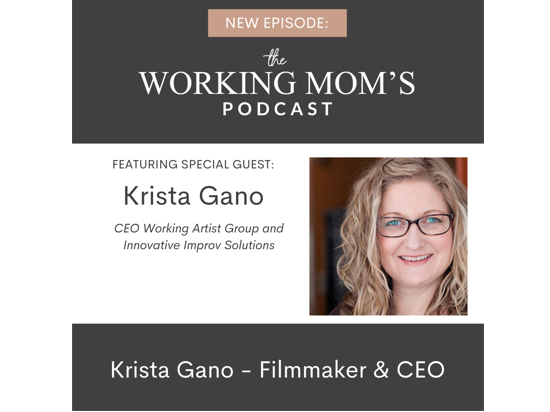
Episode 20: Krista Gano, CEO Working Artist Group and Innovative Improv Solutions
Within the past year, a combination of new legislation and the recent change of leadership in the White House and Congress stands to dramatically increase the income taxes your loved ones will have to pay on inherited retirement accounts as well as increasing the income taxes you owe on your taxable investments. However, purchasing life insurance may offer you the opportunity to minimize the effect of these developments.
To this end, if you hold assets in a retirement account, you need to review your financial plan and estate plan as soon as possible to determine if investing in life insurance or some other strategy may offer tax-saving benefits for you and your family. To help you with this process, here we’ll discuss how these new developments might affect the taxes owed by you and your heirs, and how investing in life insurance may help offset the tax impact of these new changes.
The SECURE Act
At the start of 2020, the Setting Every Community Up for Retirement Enhancement Act (SECURE Act) went into effect, and the new law effectively put an end to the so-called “stretch IRA.” Under prior law, beneficiaries of your retirement account could choose to stretch out distributions of an inherited retirement account over their own life expectancy to minimize the income taxes owed on those distributions.
For example, an 18-year-old beneficiary expected to live an additional 65 years could inherit an IRA and stretch out the distributions for 65 years, paying income tax on just the portion withdrawn each year. In that case, the income tax law would encourage the child not to withdraw and spend the inherited assets all at once.
Under the new law, however, most designated beneficiaries of inherited IRAs and similar tax-deferred qualified retirement accounts are now required to withdraw all of the assets from the inherited account—and pay income taxes on those withdrawals—within 10 years of the account owner’s death. Those who fail to withdraw funds within the 10-year window face a 50% tax penalty on the assets remaining in the account.
But this is just the first development that stands to affect the amount of taxes your heirs might face in the near future on inherited investments.
Democrats Take Control
As we highlighted in a previous article the recent election of Joe Biden as President and subsequent Democratic takeover of the Senate will likely result in the passage of new tax legislation that could have a significant impact on your family’s financial and estate planning considerations.
Specifically, it’s likely that within the next two years Democrats will pass legislation aimed at eliminating many of the tax cuts enacted through the 2017 Tax Cuts and Jobs Act. As part of this legislation, we’re expected to see significantly lower federal estate tax exemptions, the elimination of the step-up in cost basis on inherited assets, as well as an increase in the top personal income and capital-gains tax rates.
One way you may be able to minimize the new taxes on both your tax-deferred retirement accounts and taxable investments is by investing in cash-value life insurance. Let’s break down exactly what this strategy might look like.
The New Role of Life Insurance In Your Estate and Financial Planning
Given the new distribution requirements for inherited IRAs, you should consider whether it makes sense to withdraw funds from your retirement account now, pay the tax, and invest the remainder in cash-value life insurance. From there, you can access the accumulated cash-surrender value of the life insurance policy income-tax free during your lifetime via tax-free withdrawals and/or loans. And upon your death, the death benefit of your life insurance policy would be income-tax free for your heirs.
By annually investing what you would otherwise put into tax-deferred retirement accounts into a cash-value life insurance contract, or by taking taxable withdrawals from your tax-deferred retirement accounts over time and reinvesting them in cash-value life insurance, you can effectively move these funds into a tax-free, rather than tax-deferred, investment vehicle.
This strategy could not only minimize the income taxes you pay over your lifetime, but it could also significantly reduce the tax bill imposed on your designated beneficiaries after your death, since life insurance proceeds are income-tax free.
Additionally, by investing a portion of your investable assets in cash-value life insurance, you can offset the effects of the proposed loss of income tax basis step-up upon your death, which we’re likely to see enacted through Democrat-backed legislation. What’s more, this strategy would also minimize your current income taxes on what otherwise would have been taxable income from your investments, as growth on investments inside a life insurance policy are not subject to income tax, including any capital gains.
Finally, if you stand to be affected by the proposed decrease of the federal estate-tax exemption, which is currently set at $11.7 million, by placing the life insurance policy inside an irrevocable life insurance trust, you can remove the death benefit paid out to your beneficiaries from your taxable estate. In doing so, you would still be able to access the cash value of the insurance policy during your lifetime, either via a so-called “spousal access trust,” if you are married, or via a traditional irrevocable life insurance trust, if you are not married.
Rethink Your Planning
Although the SECURE Act and the proposed new legislation stands to have an adverse effect on the tax consequences for your retirement and estate planning, investing in life insurance may offer you a valuable tax-saving opportunity. That said, you can only take advantage of this opportunity if you plan for it.
If you fail to revise your plan to address the SECURE Act’s new requirements and/or the proposed legislation that’s likely to be passed by the Democratic administration, you and your family could face a significantly higher tax bill. To prevent this from happening, schedule a Family Wealth Planning Session™ or an existing estate-plan review today.
With us as your Personal Family Lawyer®, we’ll work with you and your financial advisor to analyze all of the ways your retirement accounts might be impacted by the SECURE Act and the new proposed legislation and come up with the most effective planning strategies for passing your assets to your loved ones in the most tax-advantaged manner possible, while ensuring your current tax liabilities are similarly minimized. To learn more, contact us right away.
Proper estate planning can keep your family out of conflict, out of court, and out of the public eye. Are you ready to protect your loved ones and legacy? Check out my next presentation.

New Developments Transform the Role Life Insurance Plays in Your Estate and Financial Planning
We are so inspired by the great work that Inside the Orchestra is doing for children in Colorado and across the world. We are excited to showcase Inside the Orchestra as our Nonprofit of the Month for February 2021. Inside the Orchestra is a 501(c)(3) nonprofit organization with a mission to bring orchestra music to young children in the greater Denver metropolitan community, cultivating music appreciation and enhancing their education through an engaging first-hand experience with the orchestra.
Inside the Orchestra offers online and offline musical experiences designed by professional musicians and educators.
Learn more at https://insidetheorchestra.org

.svg)
