

Welcome to the Blog
Keep up with the latest news and updates
No matter who you are voting for on November 3rd, you may want to start considering the potential legal, financial, and tax impacts a change of leadership might have on your family’s planning. And as you’ll learn here, there are a number of reasons why you should start strategizing now, because if you wait until after the election, it will very likely be too late.
Although the election outcome is impossible to predict, some polls show Joe Biden with a healthy lead over Donald Trump and the Democrats could be poised to take a majority in both houses of Congress. Such a Democratic sweep will likely have far-reaching consequences on a number of policy fronts. But in terms of financial, tax, and estate planning, it’s almost certain that we’ll see radical changes to the tax landscape that could seriously impact your planning priorities. And while it’s unlikely that a major tax bill would be enacted right away, there’s always the possibility that when legislation does pass it could be applied retroactively to Jan. 1, 2021.
With that in mind, in this two-part series, we’ll outline the major ways Biden plans to change tax laws, so you can adapt your family’s finances and estate planning considerations accordingly. Although you may decide to put off any actual changes to your estate plan until after the election, if you have any big transactions on the horizon, or if you have an estate that could be worth $1 million or more when you die, we suggest you at least start strategizing now. That way, you’ll have plenty of time to take the appropriate action before the end of the year, which will undoubtedly be a chaotic period regardless of who wins the election.
Focus on high net-worth taxpayers
While Trump has yet to release any formal economic proposals for a second term, Biden’s proposed economic agenda is essentially focused on raising some $4 trillion of new revenue over the next 10 years. The vast majority of this revenue would come from increasing taxes on high net-worth individuals.
Under Biden’s plan, “high net-worth individuals” are taxpayers earning more than $400,000. Those earning less than that would generally not see an increase—and perhaps even a decrease—in taxes, at least in the short-term. At this point, however, it’s not clear if the $400,000 threshold would apply equally to singles, heads of households, and/or married joint-filing couples.
Although the specifics haven’t been fully ironed out yet, Biden’s plan would boost tax revenue in a handful of ways:
- Increasing the top personal income and capital-gains tax rates
- Reinstating the payroll tax on higher incomes
- Returning the federal estate and gift tax exemption to prior levels
- Eliminating the step-up in cost basis on inherited investments
- Capping itemized deductions
- Increasing the corporate tax rate
Increased personal income tax rates on the wealthy
Starting in 2018,Trump’s Tax Cuts & Jobs Act (TCJA) reduced the top federal income tax rates on individuals from 39.6% to 37%. Biden’s tax plan would put the top income tax rate back to 39.6% on personal income in excess of $400,000.
This means that everyone earning more than $400,000 a year would see a tax hike. On the other hand, those making less than $400,000 would see no change in their personal income tax rate.
Higher maximum tax rate for capital gains
One of the most dramatic changes proposed under Biden’s plan involves the way capital gains are taxed. Short-term capital gains (assets held for a year or less) are taxed at the ordinary income tax rates, and under Biden’s proposal, those rates would max out at 39.6%. But the tax rates for long-term capital gains would see an even bigger hike.
Long-term capital gains (assets held for more than a year) are taxed at lower rates than short-term gains to encourage long-term investment. Those rates are currently set at 0% for individuals with annual incomes up to $40,000, 15% for incomes between $40,001 and $441,450, and max out at 20% for incomes above $441,451.
The Biden plan, however, would create an entirely new tax bracket just for long-term capital gains in which gains for individuals with incomes higher than $1 million would be taxed at 39.6%. So if you’re making more than $1 million a year, you’d no longer see the benefit of lower capital gains rates.
Given the potential for an increased capital gains tax rate, if you earn more than $1 million a year and are considering a sale of capital-gains qualified assets, or if a sale will bump up your income, you may want to consider accelerating any large transactions, so they’re finalized before the end of the year. If this is the case for you, consult with us, along with your tax and financial advisors, right away for guidance about which transactions should be prioritized and how to maximize your tax savings on each one. Keep in mind, if you wait to contact us about such transactions until mid-November, it’s unlikely we are going to be able to accommodate your needs, so be sure to act now.
Increased Social Security tax on high-income earners
Another way Biden’s plan would raise tax revenue is by subjecting incomes above $400,000 to the Social Security tax. Currently, the 12.4% Social Security tax—also known as the payroll tax—applies only to the first $137,700 of your income. Earnings above that amount aren’t subject to the tax, and the cap goes up annually with inflation.
Biden proposes applying the 12.4% tax to wages and self-employment income starting at $400,001. This means the first $137,700 of your earnings will continue to be taxed at 12.4%, but you will pay no Social Security tax on additional earnings up to $400,000. However, any additional earnings exceeding $400,000 would be taxed at 12.4%.
The untaxed gap, or “doughnut hole,” on earnings between $137,700 and $400,001 would close over time with the annual increases for inflation. This change is designed to bolster the Social Security system by ensuring that the highest income levels are eventually subject to the full payroll tax.
In light of this proposed change, if you are expecting a bonus or other special end-of-the-year compensation, you should consider arranging for the money to be paid out by the end of 2020, rather than waiting until the start of 2021.
Increased estate and gift tax exposure
When it comes to estate planning, the most critical aspect of Biden’s proposed tax increases would be a major reduction in the federal gift and estate tax exemption. Starting in 2018, the TCJA doubled the gift and estate tax exemption from prior levels, increasing to $11.58 million for single taxpayers and $23.16 million for married couples. Any amounts above this exemption you give away during your lifetime or transfer upon your death are subject to a flat 40% tax.
The increased exemption amounts under the TCJA will sunset at the end of 2025, but if Biden wins the presidency, the enhanced exemption could be repealed much sooner. Indeed, Biden proposes to reduce the exemption back to at least the 2017 level of $5.45 million for individuals and $11.58 for couples.
There are others who suggest the federal gift and estate tax under Biden might even return to 2009 levels, when the individual exemption was set at $3.5 million and the estate tax rate was 45%. What’s more, seeing that in the past lawmakers have made estate tax rates retroactive, it’s possible that these changes could be applied retroactively and go into effect as early as Jan. 1, 2021.
Whatever the final outcome, it’s clear that if you have assets valued between $3.5 and $11 million, you need to seriously consider taking steps now to take advantage of favorable estate-tax exemption rates that may never be seen again. To this end, you should consider opportunities to transfer assets out of your estate now in order to lock in the higher exemption amounts.
That said, transferring assets out of your estate, whether done via gifting or other means, can take several weeks to plan, set up, and finalize, so avoid the temptation to wait until after the election to start planning. In fact, you should immediately meet with us, as your Personal Family Lawyer®, to discuss your options and get things started.
By setting your plan in motion now, you can have your strategies in place and ready to go, so you can pull the trigger (if needed) once election results are in.
Next week, we’ll continue with part two in this series on how to prepare your estate plan for a Biden presidency.
Proper estate planning can keep your family out of conflict, out of court, and out of the public eye. Are you ready to protect your loved ones and legacy? Check out my next presentation.

Start Planning Now to Prepare Your Estate for a Possible Democratic Sweep—Part 1
Meet Alexis King – Candidate for Jefferson & Gilpin County District Attorney in this episode of The Working Mom’s Podcast. In an environment underrepresented by women, Alexis has forged through the world of the District Attorney’s (DA) office and created a path for other women to consider undertaking running for office. There have been many surprises in Alexis’ career, yet she’s learned beautiful lessons that have shaped her into the experienced and personable leader she is today.
Jefferson County is where Alexis raises her kids. Navigating and prioritizing her love for her children and her community has enabled Alexis to make decisions to help and protect both. While serving over a decade in the DA’s office, Alexis prosecuted everything that came in the door. However, when her life changed, Alexis bravely shifted her views of work in a paternalistic world to protect herself and her unborn child. Learn about the decisions Alexis made based on the needs of someone she hadn’t even met yet.
Later, listen in as Alexis opens up about the emotions that motivate her to be a caring mother and empathetic leader. Alexis believes that emotions are strengths and feminine qualities are not weaknesses. In fact, Her vision of how women should be treated in the DA’s office embraces flexibility, empathy, kindness, and, building others up. Alexis admits that it is a hard job and there’s no fairy dust to make the job easier. But allowing people to be flexible, such as working from home, can give working moms the runway they need to support their family and their community.
Alexis also provides further insight for working moms who may be thinking about running for office. Is balance a reachable goal or is it overrated? Tune in to hear Alexis’ expressions about balance, family buy-in, and the greatest gift of flexibility. You’ll also hear practical advice from Alexis on the programs she used to sharpen her leadership skills as well as what she does to stay present in the moments she spends with others while campaigning. Learning again and being at the bottom of the curve was a challenge for Alexis. However, she shares what she did to make herself anew and how practicing resiliency has been refined further during the campaign process.
Don’t miss Alexis’ shared insights on how to look beyond the COVID-19 pandemic and see the silver lining. Alexis has grown closer to her children. Additionally, seeing Alexis in action has enhanced their understanding of why mom is so busy. Be sure to listen all the way to the end for fun book recommendations to help elementary-aged children understand what elections are all about.
Quotes:
“The greatest gift that I can earn or have is flexibility.”
“I never thought I would run for office.”
“There wasn’t an obvious path for a woman to run for District Attorney”
“I had to make a decision based on the needs of someone I hadn’t met”
“Give the space to mature and go through life”
Links Mentioned:
Contact with Alexis on her website AlexisforDA.com
Pamela Maass on Linkedin https://www.linkedin.com/in/pamela-maass-6430964/
Maass Law, Law Mother https://lawmother.com/

Running for Office as a Working Mom
“I will cry when I lead. I will be myself.” Meet Alexis King – Candidate for Jefferson & Gilpin County District Attorney in this episode of The Working Mom’s Podcast. In an environment underrepresented by women, Alexis has forged through the world of the District Attorney’s (DA) office and created a path for other women to consider undertaking running for office. There have been many surprises in Alexis’ career, yet she’s learned beautiful lessons that have shaped her into the experienced and personable leader she is today.
Jefferson County is where Alexis raises her kids. Navigating and prioritizing her love for her children and her community has enabled Alexis to make decisions to help and protect both. While serving over a decade in the DA’s office, Alexis prosecuted everything that came in the door. However, when her life changed, Alexis bravely shifted her views of work in a paternalistic world to protect herself and her unborn child. Learn about the decisions Alexis made based on the needs of someone she hadn’t even met yet.
Later, listen in as Alexis opens up about the emotions that motivate her to be a caring mother and empathetic leader. Alexis believes that emotions are strengths and feminine qualities are not weaknesses. In fact, Her vision of how women should be treated in the DA’s office embraces flexibility, empathy, kindness, and, building others up. Alexis admits that it is a hard job and there’s no fairy dust to make the job easier. But allowing people to be flexible, such as working from home, can give working moms the runway they need to support their family and their community.
Alexis also provides further insight for working moms who may be thinking about running for office. Is balance a reachable goal or is it overrated? Tune in to hear Alexis’ expressions about balance, family buy-in, and the greatest gift of flexibility. You’ll also hear practical advice from Alexis on the programs she used to sharpen her leadership skills as well as what she does to stay present in the moments she spends with others while campaigning. Learning again and being at the bottom of the curve was a challenge for Alexis. However, she shares what she did to make herself anew and how practicing resiliency has been refined further during the campaign process.
Don’t miss Alexis’ shared insights on how to look beyond the COVID-19 pandemic and see the silver lining. Alexis has grown closer to her children. Additionally, seeing Alexis in action has enhanced their understanding of why mom is so busy. Be sure to listen all the way to the end for fun book recommendations to help elementary-aged children understand what elections are all about.
Quotes:
- “The greatest gift that I can earn or have is flexibility.”
- “I never thought I would run for office.”
- “There wasn’t an obvious path for a woman to run for District Attorney”
- “I had to make a decision based on the needs of someone I hadn’t met”
- “Give the space to mature and go through life”
Links Mentioned:
Contact with Alexis on her website AlexisforDA.com
Pamela Maass on Linkedin
Listen in and redefine the word balance in Episode 8
Podcast production and show notes provided by FIRESIDE Marketing
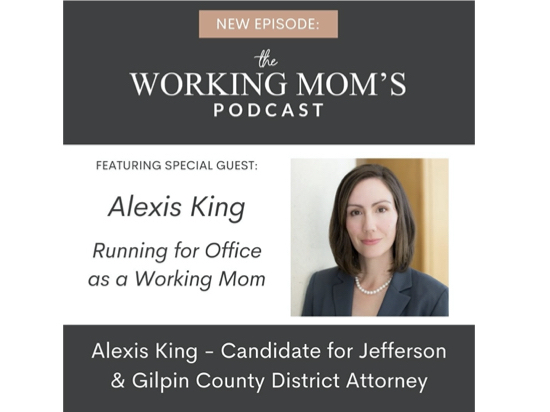
Episode 011: Running for Office as a Working Mom
Being asked by a loved one to serve as trustee for their trust upon their death can be quite an honor, but it’s also a major responsibility—and the role is definitely not for everyone. Indeed, serving as a trustee entails a broad array of duties, and you are both ethically and legally required to properly execute those duties or face potential liability.
In the end, your responsibility as a trustee will vary greatly depending on the size of the estate, the type of assets covered by the trust, the type of trust, how many beneficiaries there are, and the document’s terms. In light of this, you should carefully review the specifics of the trust you would be managing before making your decision to serve.
And remember, you don’t have to take the job.
Yet, depending on who nominated you, declining to serve may not be an easy or practical option. On the other hand, you might actually enjoy the opportunity to serve, so long as you understand what’s expected of you.
To that end, this article offers a brief overview of what serving as a trustee typically entails. If you are asked to serve as trustee, feel free to contact us to support you in evaluating whether you can effectively carry out all the duties or if you should politely decline.
A trustee’s primary responsibilities
Although every trust is different, serving as trustee comes with a few core requirements. These duties primarily involve accounting for, managing, and distributing the trust’s assets to its named beneficiaries as a fiduciary.
As a fiduciary, you have the power to act on behalf of the trust’s creator and beneficiaries, always putting their interests above your own. Indeed, you have a legal obligation to act in a trustworthy and honest manner, while providing the highest standard of care in executing your duties.
This means that you are legally required to properly manage the trust and its assets in the best interest of all the named beneficiaries. And if you fail to abide by your duties as a fiduciary, you can face legal liability. For this reason, you should consult with us for a more in-depth explanation of the duties and responsibilities a specific trust will require of you before agreeing to serve.
Regardless of the type of trust or the assets it holds, some of your key responsibilities as trustee include:
- Identifying and protecting the trust assets
- Determining what the trust’s terms require in terms of management and distribution of the assets
- Hiring and overseeing an accounting firm to file income and estate taxes for the trust
- Communicating regularly with beneficiaries
- Being scrupulously honest, highly organized, and keeping detailed records of all transactions
- Closing the trust when the trust terms specify
No experience necessary
It’s important to point out that being a trustee does NOT require you to be an expert in law, finance, taxes, or any other field related to trust administration. In fact, trustees are not only allowed to seek outside support from professionals in these areas, they’re highly encouragedto do so, and the trust estate will pay for you to hire these professionals.
So even though serving as a trustee may seem like a daunting proposition, you won’t have to handle the job alone. And you are also able to be paid to serve as trustee of a trust.
That said, many trustees, particularly close family members, often choose to forgo any payment beyond what’s required to cover the trust expenses, if that’s possible. But how you are compensated will depend on your personal circumstances, your relationship with the trust’s creator and beneficiaries, as well as the nature of the assets in the trust.
We can help
Because serving as a trustee involves such serious responsibility, you should meet with us, as your Personal Family Lawyer®, for help deciding whether or not to accept the role. We can offer you a clear, unbiased assessment of what’s required of you based on the trust’s terms, assets, and beneficiaries.
And if you do choose to serve, it’s even more important that you have someone who can assist you with the trust’s administration. We can guide you step-by-step throughout the entire process, ensuring you properly fulfill all of the trust creator’s wishes without exposing the beneficiaries—or yourself—to any unnecessary risks. Contact us today to learn more.
Proper estate planning can keep your family out of conflict, out of court, and out of the public eye. Are you ready to protect your loved ones and legacy? Check out my next presentation.

What You Should Know Before Agreeing to Serve as Trustee
Although you may have just filed your 2019 income taxes in July, now is the time to start thinking about your 2020 return due next April. While it’s always a good idea to be proactive when it comes to tax planning, it’s particularly important this year.
In addition to annual updates for inflation, the Coronavirus Aid, Relief, and Economic Security (CARES) Act provides individual taxpayers with several new tax breaks, most of which will only be available this year. The sooner you learn about the different forms of tax-savings available, the more time you will have to take advantage of them.
Here are 6 ways your 2020 return will differ from prior years:
1. Waived RMDs
You are typically required to take an annual required minimum distribution (RMD) from your IRA, 401(k), or other tax-deferred retirement account starting in the year when you turn 72, but the CARES Act temporarily waived the RMD requirement for 2020. The waiver also applies if you reached age 70½ in 2019, but waited to take your first RMD until 2020, as allowed under the SECURE Act.
RMDs generally count as taxable income, so taking this waiver means that you may have lower taxable income in 2020 and therefore owe less income taxes for 2020.
However, there are a number of factors to consider, including the state of the market and your living expenses, when deciding whether or not to waive your RMDs. Given this, consult with us or your tax professional before making your final decision.
2. Higher standard deduction
If you do not itemize deductions, you can use the standard deduction to reduce your taxable income. Trump’s tax reform legislation nearly doubled the standard deduction starting in 2018, and it has increased even more for inflation since then. For 2020, the new standard deduction amounts include the following:
- $12,400 for single filers
- $24,800 for those who are married filing jointly
- $18,650 for people filing as a head of household
3. Higher contribution limits for certain retirement accounts
Depending on the type of retirement account you are invested in, the maximum amount you can contribute may have increased this year. The contribution limit for a 401(k) or similar workplace-retirement plan has increased from $19,000 in 2019 to $19,500 in 2020. If you are 50 or older in 2020, the 401(k) catch-up contribution limit is $6,500, up from $6,000.
On the other hand, the amount you can contribute to a traditional IRA remains the same for 2020: $6,000, with a $1,000 catch-up limit if you’re 50 or older. However, if you made too much money to contribute to a Roth IRA last year, the maximum income limits for contributing to a Roth have increased, so you may be able to contribute in 2020.In 2020, eligibility to contribute to a Roth IRA starts to phase out at $124,000 for single filers and $196,000 for married couples filing jointly. Those phase-out limits are up from 2019, which started at $122,000 for single individuals and $193,000 for married couples.
4. New charitable deduction
In most years, you are only able to deduct charitable donations on your income tax return when you itemize deductions. However, the CARES Act included a provision to allow everyone to claim up to a $300 “above-the-line” deduction for charitable contributions, if you take the standard deduction in 2020. This change was designed to encourage people to donate money to charity to help with COVID-19 relief efforts.
5. Adoption credit changes
If you adopted a child this year, you can claim a higher tax credit on your 2020 return to cover your adoption-related expenses such as adoption fees, court and attorney costs, and travel expenses. The maximum credit amount for 2020 is $14,300, which is an increase of $220 from last year.
6. New rules for early withdrawals from retirement accounts
If your finances were seriously impacted by the coronavirus, you may be in dire need of funds to cover your expenses. Thanks to new rules under the CARES Act, you now have more flexibility to make an emergency withdrawal from tax-deferred retirement accounts in 2020, without incurring the normal penalties.
Ordinarily, permanent withdrawals from traditional IRAs or 401(k) accounts are taxed at ordinary income rates in the year the funds were taken out. And pulling out money before age 59 1/2 would also typically cost you a 10% penalty.
But thanks to the CARES Act, you can avoid the 10% penalty (if under 59 1/2) on up to $100,000 in coronavirus-related distributions (CRDs) from your retirement account. You are also allowed to spread such distributions over three years to reduce the tax impact. Or better yet, you can opt to put this money back into your retirement account—also within three years—and avoid paying taxes on the money all together.
That said, emergency withdrawals are only available to those individuals with a valid COVID-19-related reason for early access to retirement funds. These reasons include:
- Being diagnosed with COVID-19
- Having a spouse or dependent diagnosed with COVID-19
- Experiencing a layoff, furlough, reduction in hours, or inability to work due to COVID-19 or lack of childcare due to COVID-19
- Have had a job offer rescinded or a job start date delayed due to COVID-19
- Experiencing adverse financial consequences due to an individual or the individual’s spouse’s finances being affected due to COVID-19
- Closing or reducing hours of a business owned or operated by an individual or their spouse due to COVID-19
Because early withdrawals can negatively impact your retirement savings down the road, if you are looking to take advantage of this provision, you should consult with us and your financial advisor first. Also note that employers are not required to participate in this provision of the CARES Act, so you’ll also need to check with your plan administrator to see if it’s available at your workplace.
Maximize tax-savings for 2020
While the deadline for filing your 2020 income taxes isn’t until April 15, 2021, with all of the new COVID-19 legislation, the earlier you start planning your taxes, the better. Consult with us, as your Personal Family Lawyer®, for support in clarifying how these new changes will affect your return and to implement strategies to maximize your tax savings for 2020 and beyond.
Proper estate planning can keep your family out of conflict, out of court, and out of the public eye. Are you ready to protect your loved ones and legacy? Check out my next presentation.

6 Changes to Watch For In Your 2020 Taxes
“You own your future. It’s your real estate to do with it what you want.” Join Neill Williams, Life Coach and Host of Unbusy Your Life Podcast, as she helps you examine how you can break away from the typical corporate mom mold. Neill believes you can decide how many hours to work in a week. Neill shares her belief system by coaching entrepreneur moms to change their business mindset. As a result, Neill draws out the inner confidence and high productivity existing inside of mompreneurs so they can reclaim ownership of their workweek.
Neill is living proof that it is possible to create a six-figure business in a 25-30 hour workweek and still feel energized and balanced. While struggling as a working mom, Brooke Castillo changed Neill’s life in a podcast. Deciding to recreate her life, as well as other corporate moms, set Neill on a journey to find a better way to live in a more sustainable or balanced way. Neill used to think that working tons of hours was the thing that made her successful. Later, Neill learned that success can be created in any number of hours. All Neill had to do was decide what that number was – for her.
In this episode, Neill provides insight into the difference between a therapist and a life coach. As a life coach, Neill focuses on your mindset and future as opposed to your past. Neill helps her clients answer questions such as:
- How you would like to move forward in the world?
- Where did the 40-hour workweek come from?
- What is the value of an hour?
Challenging your own thoughts along with self-examination in Neill’s program helps you close the gap between where you are working and where you want to be working. Neill also dives in on why you shouldn’t outsource the decision of how many hours you would work. Yet, how do you take back ownership of that decision?
Don’t miss Neill’s unveiling of the two biggest mind shifts that will transform your life and how you view a familiar friend, your schedule. Overcoming the “primitive” brain is key to carefully and thoughtfully curating the life you want to live and its how Neill enjoys a productive and peaceful life now. Neill explores the connections between thoughts and feelings while converting them into tools of productivity. Working through negative feelings and the bad habit of procrastination is the path Neill traversed and the journey that awaits you in this episode of The Working Mom’s Podcast.
Quotes:
- “High productivity is about getting as much done in an abbreviated amount of time”
- “You own your future. It’s your real estate to do with it what you want.”
- “Don’t just stop at making the list, process the list.”
- “Question what you’ve always just adopted as true.”
- “It’s not the number of hours that’s important, it’s who you are in those hours”
- “You don’t have to keep your brain in your work when you’re in your non-work hours”
Links Mentioned:
Learn more about Neill’s Life Coach Program
Listen to Neill’s Podcast – Unbusy Your Life
Pamela Maass on Linkedin
Listen in and redefine the word balance in Episode 8
Podcast production and show notes provided by FIRESIDE Marketing

Episode 010: Increasing Productivity and Overcoming Procrastination
While estate planning is probably one of the last things your teenage kids are thinking about, given the dire threat coronavirus represents, when they turn 18, it should be their (and your) number-one priority. Here’s why: At 18, they become legal adults in the eyes of the law, so you no longer have the authority to make decisions regarding their healthcare, nor will you have access to their financial accounts if something happens to them.
With you no longer in charge, your young adult would be extremely vulnerable in the event they become incapacitated by COVID-19 or another malady and lose their ability to make decisions about their own medical care. Seeing that putting a plan in place could literally save their lives, if your kids are already 18 or about to hit that milestone, it’s crucial that you discuss and have them sign the following documents.
Medical Power of Attorney
Medical power of attorney is an advance directive that allows your child to grant you (or someone else) the legal authority to make healthcare decisions on their behalf in the event they become incapacitated and are unable to make decisions for themselves.
For example, medical power of attorney would allow you to make decisions about your child’s medical treatment if he or she is in a car accident or is hospitalized with COVID-19.
Without medical power of attorney in place, if your child has a serious illness or injury that requires hospitalization and you need access to their medical records to make decisions about their treatment, you’d have to petition the court to become their legal guardian. While a parent is typically the court’s first choice for guardian, the guardianship process can be both slow and expensive.
And due to HIPAA laws, once your child becomes 18, no one—even parents—is legally authorized to access his or her medical records without prior written permission. But a properly drafted medical power of attorney will include a signed HIPAA authorization, so you can immediately access their medical records to make informed decisions about their healthcare.
Living Will
While medical power of attorney allows you to make healthcare decisions on your child’s behalf during their incapacity, a living will is an advance directive that provides specific guidance about how your child’s medical decisions should be made, particularly at the end of life.
For example, a living will allows your child to let you know if and when they want life support removed should they ever require it. In addition to documenting how your child wants their medical care managed, a living will can also include instructions about who should be able to visit them in the hospital and even what kind of food they should be fed.
This is especially vital if your child has specific dietary preferences. For example, if he or she is a vegan, vegetarian, gluten-free, or takes specific supplements, these things should be noted in their living will. It’s also important if you don’t know all of their friends or who they would want to be part of their medical decision-making should they become unable to make decisions for themself.
Additionally, remember to speak with your child about the unique medical scenarios related to COVID-19, particularly in regards to intubation, ventilators, and experimental medications. How such treatment options can be addressed in a living will can be found in our previous post: COVID-19 Highlights Critical Need for Advance Healthcare Directives.
Durable Financial Power of Attorney
Should your child become incapacitated, you may also need the ability to access and manage their finances, and this requires your child to grant you durable financial power of attorney.
Durable financial power of attorney gives you the authority to manage their financial and legal matters, such as paying their tuition, applying for student loans, managing their bank accounts, and collecting government benefits. Without this document, you’ll have to petition the court for such authority.
Peace of Mind
As parents, it’s normal to experience anxiety as your child individuates and becomes an adult, and with the pandemic still raging, these fears have undoubtedly intensified. While you can’t totally prevent your child from an unforeseen illness or injury, with us as your Personal Family Lawyer®, you can at least rest assured that if your child ever does need your help, you’ll have the legal authority to provide it. Contact us today to get started.
Proper estate planning can keep your family out of conflict, out of court, and out of the public eye. Are you ready to protect your loved ones and legacy? Check out my next presentation.

Once Your Kids Are 18, Make Sure They Sign These Documents
The days of working for a single employer for decades until you retire are over. Today, you are much more likely to change jobs multiple times during your career. According to the Bureau of Labor Statistics, today’s workers have held an average of 12 jobs by the time they reach their 50s.
Since people change jobs so frequently, it is easy to see you might lose track of an old 401(k) or retirement account, especially if you only worked in a position for a short time. In fact, forgetting plans is quite common: it’s estimated that roughly 900,000 workers lose track of their 401(k) plans each year. And when you forget to cash out your 401(k) upon leaving a job, your former employer might no longer have control of your account.
Even if the company you worked for is still up and running, businesses terminate 401(k) plans all the time, especially during economic downturns. The company is required by law to contact you if they terminate the plan, but if they can’t locate you, the money can be transferred to a bank, rolled into an IRA, or even sent to the state’s unclaimed property fund.
If you’re looking to increase your retirement savings, one way to start is to make sure you haven’t lost or forgotten about any old accounts. Here are 6 tips for tracking down a missing 401(k).
1. Contact your previous employers
If your former employer is still in business, the easiest way to find an old 401(k) is to contact them. You can ask the human resources department or the plan administrator at the company to search their records to find out whether you participated in the plan, and if they still manage your account. Be prepared to provide the dates that you worked for the employer, your name, and your Social Security number.
2. Find the plan administrator’s contact details
If your former employer has shut down or merged with another company, you can try to contact the organization that administered the plan to see if they still control your 401(k). If you have an old statement, it should contain the administrator’s contact information. You can also contact former co-workers and ask if they have copies of old statements from the plan.
3. Review the plan’s annual tax return
If you can’t access your old plan statements, you can try to find the contact information for the plan administrator via the plan’s tax return. Most plans must file an annual tax return, Form 5500, with the Internal Revenue Service and U.S. Department of Labor. Search the website www.efast.dol.gov by entering the name of your old employer to find this form.
The plan administrator’s contact information should be included on the 5500. From there, call the administrator, and ask for him or her to check on your account.
4. Search unclaimed property databases
If you are unable to track down your account through your former employer or the plan administrator, you still have options. Depending on what happened to the company and how much money was in your account, there are a few different places to search.
The National Registry of Unclaimed Retirement Benefits offers a database where employees can register names of former employees who left retirement funds with them. By entering your Social Security number, you can search this database for free to determine if you have any unclaimed retirement account balances.
Additional online resources, such as missingmoney.com and unclaimed.org, similarly allow you to search for retirement assets in any states in which you’ve lived or worked.
5. Search for default IRA accounts
If your old account had a fairly small balance, it may no longer be in a 401(k). For 401(k) accounts with balances of less than $5,000, a former employer might have rolled the funds into a default IRA account on your behalf. Default IRAs can be created when your former employer is unable to reach you to find out how you want the funds paid to you. You can search for such IRA accounts for free on the FreeERISA website.
6. Search for terminated plans
If your former employer terminated its 401(k) plan, this doesn’t automatically mean your money is lost forever. The Department of Labor maintains a list of plans that have been abandoned or are in the process of being terminated. Search their database to find out whether the plan is in the process of—or has already been—terminated, and learn the contact details for the Qualified Termination Administrator (QTA) responsible for overseeing the plan’s shutdown.
Keep track of your assets
The best way to keep track of your retirement accounts is to not lose them in the first place. Indeed, one of the most important parts of estate planning is to create a comprehensive inventory of all your assets, not just your retirement funds. By doing so, none of your assets will end up in our state’s Department of Unclaimed Property, and your family will know exactly what you have and how to find everything if something happens to you.
With us as your Personal Family Lawyer®, we’ll not only help you create a comprehensive asset inventory, we’ll make sure it stays regularly updated throughout your lifetime. Yet, with the COVID-19 pandemic still ongoing, creating such an inventory is something that can’t wait. This task is so urgent, we’ve created a unique (and totally FREE) tool called a Personal Resource Map to help you get the inventory process started right now on your own, without the need for a lawyer.
Use this resource to complete your initial inventory of your assets, and from there, schedule an appointment with us to create and maintain your full estate plan. And if you haven’t had any luck tracking down your old 401(k), we can assist with that too.
Proper estate planning can keep your family out of conflict, out of court, and out of the public eye. Are you ready to protect your loved ones and legacy? Check out my next presentation.

Lost An Old 401(k)? Here Are 6 Tips For Finding It
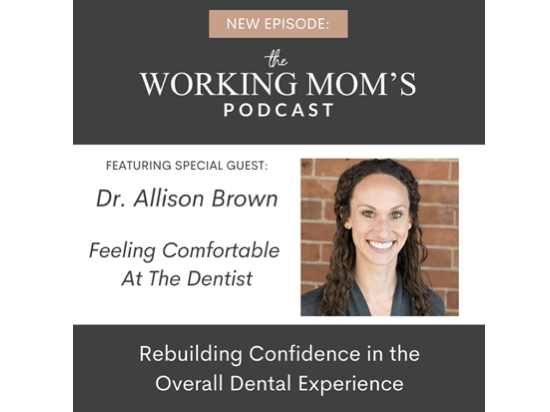
“You can absolutely have the best of both worlds,” shares Dr. Allison Brown, owner of High Forest Dental. Dr. Allie couldn’t be more excited to deliver exceptional care to her patients. She loves Colorado, her job as a dentist, and she is enthusiastic about learning and growing as the field of dentistry progresses into the future. Uplifted by her childhood dental visits, Dr. Allie seeks to provide confidence, comfort, and joy to others through her practice.
This episode captures Dr. Allie’s relaxing and fun spirit that she brings to the world of dentistry. Becoming a dentist was a natural place for Dr. Allie to go since she loves math, science, and people. Today, Dr. Allie builds confidence in others so they can overcome their fears and work towards improving their overall health. Dr. Brown thrives on connecting with patients and helping them feel passionate about their oral health. She is committed to working collaboratively with patients to boost their confidence and help them enjoy visiting the dentist.
Dr. Allie’s practice slows things down and connects with people to help them feel comfortable. Seeking to dispel the fear that can come with dental visits, Dr. Allie focuses on treating people as individuals and learns the story behind each visitor. She also ensures to allow enough time with her patients in order to create a better overall dental experience. If you’re struggling with how to select a dentist, Dr. Allie provides tips on what to look for and how to find a practice that cares about people.
How soon should your children be introduced to “happy visits” with “Mr. Slurpy”? Dr. Allie offers recommendations, guidelines, and reassurances to help introduce children to their first dental experience. Additionally, Dr. Allie outlines ways to care for your children’s teeth at home includes. Later, Dr. Allie dives in on the Healthy Start program, a holistic approach designed to correct oral mouth habits for children which follows them into adulthood.
Dr. Allie’s practice always seeks to make the dental experience comfortable which includes financing oral health. Listen in as Dr. Allie simplifies financing options including High Forest Dental’s in-office membership. Dr. Allie also walks you through the differences between an in-office membership plan and how it can be more economical than insurance.
As a mom who owns her own business, Dr. Allie understands the crazy that has to be managed on a daily basis. Letting people help her has been the biggest thing Dr. Allie has learned. With the support of her husband, Dr. Allie has learned to let go and delegate. Offloading has helped Dr. Allie to be present in her son’s life which strengthens her to overcome the guilt of being away at work. Don’t miss practical tips from Dr. Allie to have the best of both worlds: business owner, and more importantly, mama.
Quotes:
- “Letting people help me has been the biggest thing to learn”
- “It’s been crazy! I don’t know of any mom who works full time and owns their own business who would say otherwise.”
- “I always knew I wanted to own my own practice.”
- “Dentistry is something that I love.”
- “I got to build what means a lot to me.”
Links Mentioned:
Email Dr. Allison Brown
Healthy Start Program Evaluation Form
Pamela Maass on Linkedin
Podcast production and show notes provided by FIRESIDE Marketing

.svg)
