

Welcome to the Blog
Keep up with the latest news and updates
As the holidays approach, families gather to share food, laughter, and stories. But amid the joy, there is often an unspoken truth: many families avoid the conversations that matter most. What will happen when you are gone? How will your loved ones be cared for? What legacy will you leave behind?
This season offers a rare opportunity to bring love, not fear, into these important conversations. In this article, you will learn how to shift your mindset about death and money, how to open heartfelt conversations with your family, and how to turn those talks into meaningful action with a Life & Legacy Plan.
Shifting the Conversation About Death and Money
Most people put off estate planning because they don’t want to face their mortality, or they think of death as something that won’t happen anytime soon. Money is also too often a taboo subject in our culture. It’s no wonder, then, that 55% of Americans don’t have an estate plan. And this number doesn’t account for those who have an outdated plan that no longer works, so the actual number is much lower.
But what if we flipped the script when we think of death and money? What if death and money weren’t topics to be avoided, but to be embraced? Death is a natural part of life, and planning for what happens to your assets and to your loved ones is an expression of love. Planning ensures everyone you love has clarity and knows exactly what to do when the time comes. Instead of viewing estate planning as preparing for the end, see it as protecting your loved ones’ beginning after you die.
This mindset shift is powerful because it changes estate planning from something you feel you have to do into something you want to do out of devotion to your loved ones. When you think about your plan as a message of care, you begin to see every decision differently. Choosing a guardian for your children, designating beneficiaries, or even making end-of-life medical choices becomes less about control and more about making things as easy on your loved ones as possible after your death.
It also helps to recognize that the way we talk about death influences how our loved ones experience it. When you model openness and calm, your loved ones learn to approach loss with grace rather than fear.
To start shifting your own mindset, focus on legacy, not loss. Ask yourself:
- What stories, lessons, or values do I want my loved ones to carry forward?
- How can I make life easier for them when I am gone?
- What message of love do I want them to hear when they think of me?
- How can I ensure their financial security when I’m no longer there?
When you anchor your thoughts in love, the topic of death becomes not a burden, but a gift.
How to Bring Your Family Into the Conversation
Once you have reframed estate planning as an act of care, the next step is helping your loved ones see it the same way. The holidays are the perfect time. Surrounded by gratitude and reflection, your family is already thinking about what matters most – each other.
You can open the conversation gently with something like, “I have been thinking about how much you mean to me, and I want to make sure you are cared for no matter what happens.” This kind of introduction immediately sets a tone of reassurance. It communicates that your motivation is love, not fear. From there, the conversation can unfold naturally and meaningfully.
Here are several ways to make it comfortable and productive:
Choose the Right Setting. Pick a quiet moment rather than a busy or emotional one. After dinner, during a walk, or while sitting by the fire can be ideal times when everyone feels relaxed and connected.
Invite Participation. Instead of delivering information, ask questions. “What do you think would make things easier for you if something ever happened to me?” When you involve your loved ones, it helps them feel included rather than intimidated.
Acknowledge the Emotion. It is natural for people to feel uneasy at first. You might say, “I know this is not easy to talk about, but I feel peaceful knowing we can share our thoughts now while we have the chance.” By naming the discomfort, you take away its power.
Focus on Values, Not Just Logistics. You can share your philosophy about life, your hopes for how your loved ones will handle challenges, and your dreams for their future. This turns a potentially uncomfortable topic into a moment of connection.
Once you have created that sense of trust, move into the practical matters that bring real clarity.
Explain the why behind your choices. If you have chosen specific people for roles such as executor or guardian, explain your reasoning. Understanding prevents hurt feelings and reduces the risk of future conflict. Also acknowledge that some people may feel slighted. Welcome their emotions with compassion.
Discuss your wishes for care. Share who you would want to make medical or financial decisions for you if you become incapacitated. Explain why you’ve chosen that person.
Provide a financial overview. You do not need to disclose every number, but share where your key assets are located and how to access them. Every year, billions of dollars go unclaimed because families simply do not know what exists. A simple list or inventory can make all the difference. When you work with us, we will support you to create an asset inventory as an inherent part of our Life & Legacy Planning® process.
Share your legacy beyond money. Perhaps the most meaningful part of this conversation is the intangible legacy – your wisdom, values, stories, and love. A Life & Legacy Interview, also an inherent part of my process, ensures your loved ones will always be able to hear your voice and remember what mattered most to you. In my experience, this matters more to them than the money you leave behind.
When you approach the conversation with empathy and intention, it becomes not a grim discussion but a sacred exchange of love and gratitude.
How Life & Legacy Planning Turns Talk Into Action
A heartfelt family conversation is a powerful beginning, but what truly protects your loved ones is turning that conversation into action. That is where Life & Legacy Planning comes in.
Traditional estate planning focuses only on creating documents. Life & Legacy Planning is different because it focuses on creating results. It is a relationship-based process that ensures your plan reflects your goals, your assets, and your values, while also being updated as your life and the law change, so it works when you and your loved ones need it to.
When you create your Life & Legacy Plan with me, you will:
- Create a complete inventory of your assets so nothing is lost or forgotten.
- Receive ongoing support from my office to ensure your plan always stays current and doesn’t fail you or your loved ones.
- Capture and preserve your stories, values, and love through a Life & Legacy Interview.
- Ensure your loved ones know what to do and how to access what they need when the time comes.
Life & Legacy Planning transforms estate planning from a transaction into a lifelong relationship with a trusted advisor who will support your family when they need it most.
Imagine how much peace it will bring to your loved ones to know exactly where things are, whom to call, and how to handle every detail when the time comes. Instead of confusion or chaos, they will have clarity and guidance. That is the true gift of planning.
The Greatest Gift of All
Talking about death, money, and your wishes might not seem festive, but it is one of the most meaningful and loving acts you can offer. When your loved ones understand what to do, how to do it, and why it matters, they can focus on what truly counts: honoring your life and carrying your love forward.
Having open and honest conversations about death and money transforms estate planning from fear to freedom. It gives your loved ones the space to grieve without added stress, to make decisions without conflict, and to move forward with confidence.
Your Next Step
This holiday season, take the opportunity to talk about what truly matters – your love, your values, and your wishes for your loved ones’ future. Then take action to ensure those wishes are carried out.
As your Personal Family Lawyer® Firm, we will help you create a Life & Legacy Plan that protects everyone you love, keeps them out of court and conflict, and ensures your legacy lives on.
Start the conversation now, and then let me support you to create a plan that gives your loved ones peace of mind for generations to come.
Schedule your complimentary 15-minute Discovery Call today.
This article is a service of a Personal Family Lawyer Firm. We don’t just draft documents; we ensure you make informed and empowered decisions about life and death, for yourself and the people you love. That’s why we offer a Life & Legacy Planning Session, during which you will get more financially organized than you’ve ever been before and make all the best choices for the people you love. You can begin by calling our office today to schedule a Life & Legacy Planning Session.
The content is sourced from Personal Family Lawyer® for use by Personal Family Lawyer firms, a source believed to be providing accurate information. This material was created for educational and informational purposes only and is not intended as ERISA, tax, legal, or investment advice. If you are seeking legal advice specific to your needs, such advice services must be obtained on your own separate from this educational material.
Proper estate planning can keep your family out of conflict, out of court, and out of the public eye. Are you ready to protect your loved ones and legacy? Check out my next presentation.

How to Talk to Your Loved Ones About Death, Money, and Estate Planning at the Holidays
When you’re ready to finally put an estate plan in place, it’s natural to feel excited and relieved. You’re taking a powerful step to protect your family, get organized, and make sure everything is handled the way you want if you become incapacitated and when you die. But what happens when your spouse doesn’t share your enthusiasm? Maybe they roll their eyes, insist you don’t need that, or even agree to a meeting only to shut it down once they’re there.
It can leave you feeling frustrated, embarrassed, or even hopeless. The good news is that there are ways to move forward, protect your family, and bring your spouse along, sometimes sooner than you think. In this article, you’ll learn why hesitation happens, how to have an effective conversation, and what steps you can take even if your spouse isn’t ready.
Why One Spouse Often Says No
Estate planning can trigger deep fears and misconceptions. While one partner may see planning as an act of love, the other might see it as unnecessary, uncomfortable, or even threatening.
There are many reasons one spouse might resist:
- Fear of confronting mortality. For many, talking about death or incapacity feels morbid or unlucky, so avoidance can feel easier.
- Perceived cost or complexity. If one spouse assumes planning is expensive, a “nice-to-have,” or just for the wealthy, they may dismiss it before understanding what’s involved.
- Mistrust or control concerns. Some spouses fear losing control over assets or decision-making. Others may distrust the legal process or believe they’re protecting the family by avoiding lawyers.
- Past experiences or procrastination. A bad experience with a lawyer, or simply being overwhelmed by daily life, can make estate planning feel like one more thing on a long to-do list.
Understanding where the resistance comes from helps you respond with compassion instead of conflict. When you see hesitation as fear rather than defiance, you can approach your spouse in a way that builds trust and connection.
Sometimes, simply changing how you approach the topic makes all the difference. When the goal shifts from getting them to agree to understanding what’s really behind the hesitation, meaningful progress can begin.
How to Have an Effective Conversation
When emotions are high, pushing harder rarely helps. Instead, lead with empathy and curiosity. The goal isn’t to convince your spouse to plan. It’s to help them feel safe and understood enough to participate.
- Start with shared values. Rather than focusing on documents or legal terms, talk about what matters most: protecting each other, your children, or your home. You might say, “I just want to make sure you’re cared for and things are easy for you if something happens to me.”
- Acknowledge their feelings. If your spouse is anxious or skeptical, validate their perspective before offering information. “I get that this feels heavy. It’s not easy to think about, but I think we’ll both feel more at peace when it’s handled.”
- Invite, don’t insist. Invite your spouse to me with me as your Personal Family Lawyer attorney for an educational conversation called a Life & Legacy Planning® Session. Many spouses relax once they realize planning is about guidance and empowerment, not pressure.
- Use real examples. Stories often communicate what logic can’t. If you’ve seen friends or family struggle when a loved one died or became incapacitated, share that gently and explain how you want to prevent the same hardship for your family.
When you approach planning as an act of love and teamwork rather than a legal task, the conversation becomes less about control and more about care. These compassionate conversations have the power to turn resistance into collaboration.
What You Can Do Even If They Still Resist
Even if your spouse continues to say no, you don’t have to wait to protect yourself or your family. You still have options, and taking action can inspire change later.
- Create your own Life & Legacy Plan with us. You can protect your share of assets, designate guardians for your children, name trusted people for your health and financial decisions, and ensure your wishes are honored. We will help you pick the right plan for you at a fee you can afford.
- Lead by example. Once your spouse sees how empowering it feels to have your plan in place, they may come around, especially when they realize you did it with confidence and peace of mind rather than pressure or conflict.
- Keep communication open. Share updates and involve your spouse in small ways, like reviewing beneficiary designations or organizing family finances. Familiarity often leads to comfort.
- Revisit later. Your plan should change with you over time. Life events like a new baby, home purchase, illness, or retirement – or changes in the law or your assets mean your plan needs updating, or it will fail. When you work with me, I will review your plan at least every three years (annually if you’re part of my FamilyCare Program).
In many cases, once your spouse sees how simple and supportive the process can be, their hesitation often turns into engagement. If not, you’ll have the peace of mind knowing that you’ve done all you can for everyone you love, so their lives are easier after you die. You can cultivate that peace even if your spouse isn’t on board.
Protecting the People You Love, No Matter What
Estate planning isn’t about creating a set of documents; it’s about making sure the people you love are protected from unnecessary hardship. Even if your spouse isn’t ready, you can still take meaningful steps now to give your family peace of mind.
As your Personal Family Lawyer®, I will make sure your family has the clarity, guidance, and support they’ll need so they don’t have to untangle a mess when you die. It’s the greatest gift you can give to everyone you love.
Schedule your complimentary 15-minute Discovery Call today to take the first step:
This article is a service of a Personal Family LawyerⓇ Firm. We don’t just draft documents; we ensure you make informed and empowered decisions about life and death, for yourself and the people you love. That’s why we offer a Life & Legacy Planning Session, during which you will get more financially organized than you’ve ever been before and make all the best choices for the people you love. You can begin by calling our office today to schedule a Life & Legacy Planning Session.
The content is sourced from Personal Family Lawyer® for use by Personal Family Lawyer firms, a source believed to be providing accurate information. This material was created for educational and informational purposes only and is not intended as ERISA, tax, legal, or investment advice. If you are seeking legal advice specific to your needs, such advice services must be obtained on your own separate from this educational material.
Proper estate planning can keep your family out of conflict, out of court, and out of the public eye. Are you ready to protect your loved ones and legacy? Check out my next presentation.

What to Do When You’re Ready to Create Your Estate Plan but Your Spouse Isn’t
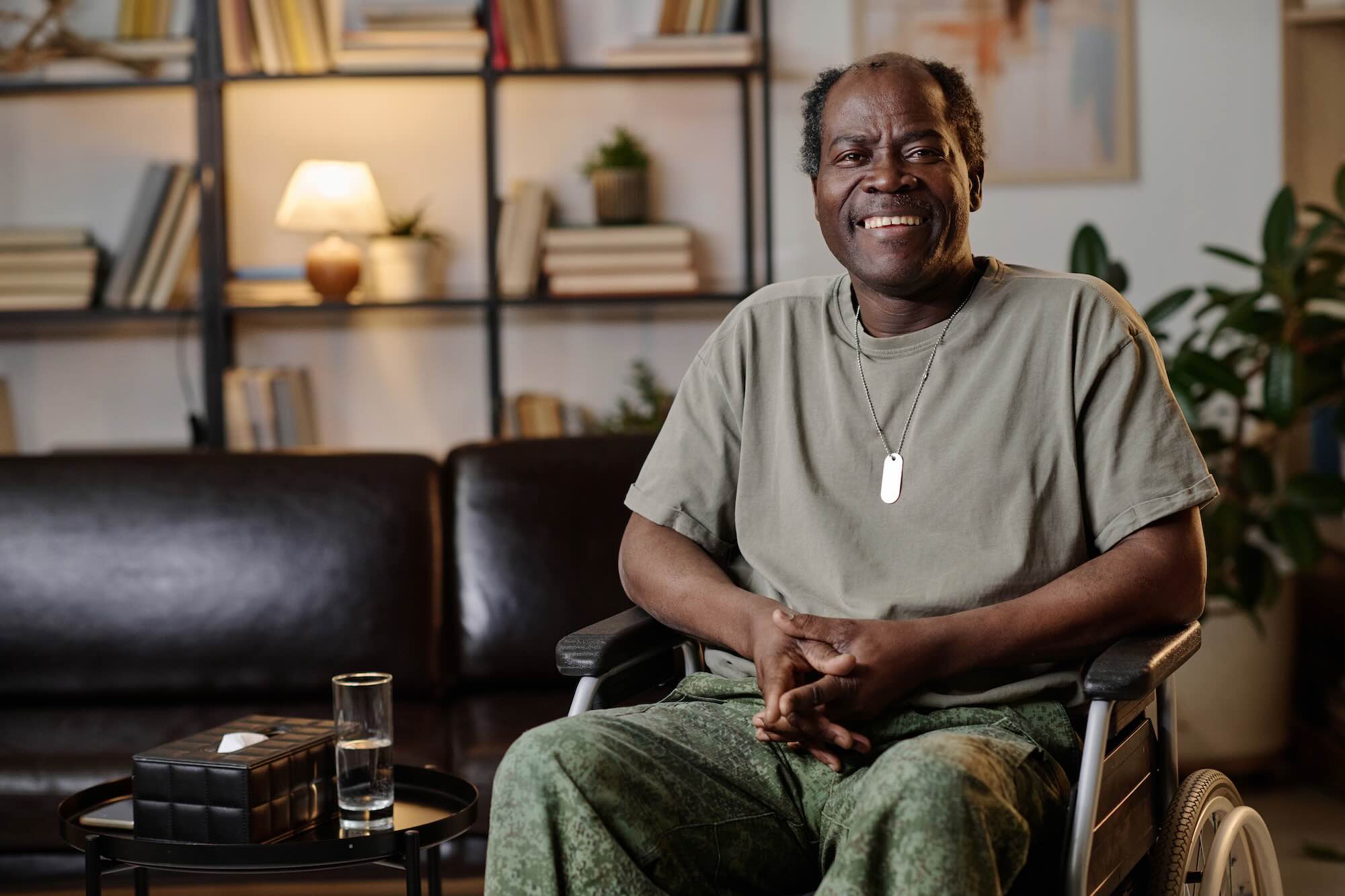
Each year on November 11, the nation pauses to honor the courage and sacrifice of those who’ve served in the Armed Forces. Beyond the ceremonies and flags, Veterans Day offers military families a meaningful opportunity to reflect on a vital question: Is your family truly protected if something happens to you?
If you’ve served or are part of a military family, your planning needs go far beyond standard estate documents. From coordinating military benefits to preparing for deployment, your estate plan must work in ways most civilian plans never consider.
In this article, you’ll learn why military families need specialized estate planning, how to protect your military benefits, and what steps ensure your plan works during service, through retirement, and beyond.
Why Military Families Need a Different Kind of Estate Plan
Military families face unique challenges when it comes to protecting loved ones. You may have access to benefits like Servicemembers’ Group Life Insurance (SGLI), Dependency and Indemnity Compensation (DIC), and Survivor Benefit Plan (SBP) payments, These are all crucial safety nets that require careful coordination.
Without that coordination, even well-intentioned plans can fail. For example, if your SGLI beneficiary form lists someone you named years ago, your life insurance could go to the wrong person, creating confusion and conflict for your loved ones. Or, if you named a minor child as your SGLI beneficiary, a court will have to appoint someone to manage those funds until your child reaches adulthood, costing your family time, money, and stress. Not to mention, your child will receive all the funds at 18, outright, with no restrictions and no plan for their future security.
Frequent relocations add another layer of complexity. Estate planning laws differ by state, meaning a plan created when you were stationed in California might not work as intended after a move to Virginia or overseas. Without periodic reviews, your plan could become outdated or even invalid.
Deployment presents its own risks. When you’re serving abroad or in harm’s way, your family must have immediate authority to make financial and healthcare decisions. Standard powers of attorney often lack the specific language required for military systems, leaving your spouse or decision-maker unable to access key benefits or accounts when they’re needed most. These are not details you want your loved ones figuring out during a crisis.
How to Protect and Maximize Your Military Benefits
The benefits you’ve earned through service represent an essential part of your family’s long-term security, but only if they’re properly managed within your estate plan.
Start by reviewing all beneficiary designations. Your SGLI, Thrift Savings Plan (TSP), and retirement accounts each have forms that override your will or trust. If those aren’t up to date, your benefits might go to someone you didn’t intend, such as an ex-spouse, while your current spouse and children receive nothing.
If you’re retired, the Survivor Benefit Plan deserves special attention. It allows you to provide ongoing income for your spouse or dependents after your death, but its cost and coverage need to be evaluated alongside your life insurance and other assets to ensure balance and efficiency.
Your DD-214 and other service records are equally important. Without them, your family may face delays accessing VA benefits, military burial honors, or other entitlements. I help clients organize these critical documents as part of my Life & Legacy Planning® process, along with an inventory of assets, service-related information, and benefit access details. This is crucial. Otherwise, your loved ones may not be able to act quickly and confidently when they need to.
Finally, include burial preferences in your plan. Veterans are entitled to burial in national cemeteries, headstones or markers, burial flags, and Presidential Memorial Certificates at no cost – but your family must know how to access them. Your plan should clearly document whether you want military honors, which cemetery you prefer, and who should be notified.
When these elements are in place, your benefits don’t just exist. They work for your loved ones when it matters most.
Building a Plan That Works in Every Stage of Service
Military life is ever-changing. That’s why it’s crucial your plan works not just after you die, but also during active duty, deployments, retirement, and incapacity. Therefore, your plan should also include:
A durable power of attorney tailored for you and your family, and ensures your spouse or trusted agent can manage financial and legal matters – including communication with the Defense Finance and Accounting Service (DFAS), VA, and Tricare – without court delays. Standard forms don’t cover this scope, which is why when you work with us, as your Personal Family LawyerⓇ Firm, we’ll create custom powers of attorney designed for you and your military service.
Healthcare directives also deserve special attention. Your healthcare proxy should work in both civilian and military hospitals, with language that allows your chosen advocate to coordinate directly with military medical personnel. Whether you face an injury in service or a serious illness later in life, these directives ensure your wishes are clear and respected.
Personal property and memorabilia should not be overlooked either. Uniforms, medals, and service mementos hold deep sentimental and historical value. Documenting these items and the stories behind them ensures they’re preserved for future generations and handled according to your wishes.
Perhaps most importantly, you deserve a trusted advisor who understands you – someone who stays connected with you and your loved ones through deployments, relocations, and retirement. Traditional lawyers create documents and move on. I stay with you, reviewing and updating your plan regularly so it continues to work as your life evolves.
Proper planning isn’t just a set of papers. It’s a relationship.
Honoring Your Sacrifice and Your Family’s
You deserve to have someone in your corner who has your back, and your loved ones do, too. That’s why Life & Legacy Planning goes beyond drafting legal documents. I will make sure your family has the clarity, guidance, and support they’ll need, whether you’re deployed, retired, or gone.
When we create your Life & Legacy Plan together, your loved ones will know:
- Where to find important documents
- How to access accounts and military benefits
- Whom to contact first for help
- And what steps to take without confusion or delay
And when the time comes, your loved ones won’t face the VA claims process or legal system alone; they’ll have someone who already knows them and their story.
Your Life & Legacy Plan will reflect not just your financial wishes, but also your values, stories, and service traditions, so your legacy lives on into the lives of all the people you love.
This Veterans Day, honor your service and your family’s sacrifices by taking action to protect the people who love most.
Schedule your complimentary 15-minute discovery call today to ensure your dedication to our country translates into lasting security for your loved ones.
This article is a service of a Personal Family Lawyer Firm. We don’t just draft documents; we ensure you make informed and empowered decisions about life and death, for yourself and the people you love. That’s why we offer a Life & Legacy Planning Session, during which you will get more financially organized than you’ve ever been before and make all the best choices for the people you love. You can begin by calling our office today to schedule a Life & Legacy Planning Session.
The content is sourced from Personal Family Lawyer® for use by Personal Family Lawyer firms, a source believed to be providing accurate information. This material was created for educational and informational purposes only and is not intended as ERISA, tax, legal, or investment advice. If you are seeking legal advice specific to your needs, such advice services must be obtained on your own separate from this educational material.
Proper estate planning can keep your family out of conflict, out of court, and out of the public eye. Are you ready to protect your loved ones and legacy? Check out my next presentation.
Honoring Your Sacrifice: Estate Planning Essentials for Military Families
Many families focus on building wealth, but fewer think about keeping it. Research shows that a majority of wealthy families lose their wealth by the second generation, and by the third generation, the number climbs as high as 90%. That happens not because parents lack concern for their kids, but because key pieces of planning are missing.
Keeping wealth in your family isn’t just about signing legal documents or having a strong investment portfolio. True wealth preservation requires a shift in how you think about inheritance, practical systems that keep your assets accessible, and education that prepares the next generation to be responsible stewards.
In this article, you’ll learn three essential elements of building and preserving generational wealth: the mindset shifts that redefine what inheritance really means, the legal and financial strategies that keep assets from slipping through the cracks, and the education process that prepares your children to manage and grow what you’ve worked so hard to build. Most importantly, you’ll see why families who succeed in passing wealth down think differently about what they’re actually leaving behind.
The Mindset Shift: From “My Wealth” to “Our Legacy”
The families who successfully maintain prosperity over multiple generations understand something critical: wealth is more than money. Yes, you can leave your children a million dollars, but if they don’t understand responsibility, financial management, or your family’s values, that money will vanish.
Generational wealth lasts when you pass on both tangible and intangible assets, not only accounts and property, but also the knowledge, traditions, and life lessons that make financial wealth sustainable. Your experiences, values, and even your failures are part of the inheritance that will shape how your children handle what you leave them.
This requires a mindset shift: inheritance isn’t a one-time transfer that happens at death. It’s an ongoing process of preparation during your lifetime. Instead of keeping financial matters completely private, invite your children into age-appropriate conversations about your values, your goals, and the responsibilities they may inherit one day.
Think of it like teaching your child to drive. You wouldn’t simply hand over the keys without practice and guidance. Likewise, don’t hand over wealth without the training and perspective they need to manage it wisely.
Of course, perspective alone isn’t enough. Once you embrace this broader definition of wealth, you’ll need systems that ensure your financial assets are actually protected and available when the time comes.
The Practical Side: Legal and Financial Strategies That Work
Too many people think, even those with substantial assets, that estate planning is about creating a set of documents. But documents aren’t enough. A document like a will, trust, power of attorney or healthcare directive, cannot pass on all that’s important to you, and it doesn’t address the direct impact on the people you love once you die or if you become incapacitated. The truth is, a document alone often creates more problems than it solves – like months of probate, thousands in legal fees, and painful family conflict during an already emotional time.
That’s why my Life & Legacy Planning® process goes further. Protecting wealth and passing it on requires much more than a set of documents that eventually go stale over time. Protecting wealth requires so much more, such as:
Comprehensive Asset Organization
Your plan begins with a complete inventory of everything you own – bank accounts, investments, real estate, insurance policies, digital assets, business interests, and personal items of value. Each asset is titled correctly and integrated into your overall plan so nothing is lost or overlooked – and can be passed on to the people you love.
A Plan That Stays Up to Date
Life doesn’t stand still, and your plan shouldn’t either. Marriages, divorces, births, deaths, and property changes all require updates to ensure your plan continues to reflect your current life and wishes. Through regular reviews, I help ensure your plan stays current so it works exactly as intended when your family needs it most.
Clarity for the People You Love
A Life & Legacy Plan doesn’t just protect your assets—it protects the people you love from uncertainty. Your family receives clear guidance about what you own, how to find it, and what to do when the time comes. I help you document where accounts are held, how to access them, and who to contact for help. This clarity prevents the confusion and conflict that too often arise when families are left searching for answers.
Ongoing Guidance and a Trusted Relationship
Legal strategies form the foundation of wealth preservation, but they’re only one part of the equation. My role as your Personal Family Lawyer® is to serve as your trusted advisor for life – someone who understands your family, your values, and your goals, and who will be there to guide your loved ones when you no longer can. And if I’m not able to be there, I’ll have a trusted colleague you can turn to who will be there in the same way I would. That ongoing relationship ensures your plan works not just legally, but practically and emotionally, for the people you care about most.
Creating a comprehensive plan and keeping it updated over time is only one part of preserving generational wealth. For true generational wealth to last, your children also need the tools, guidance, and values to use it wisely.
The Education Piece: Preparing the Next Generation
Even the most thoughtfully crafted estate plan can’t prepare your family to carry your intentions forward. Real success requires education, communication, and participation, so the people you love understand not only what you decided, but why.
That’s why I encourage families to treat planning as an ongoing conversation, not a one-time event. When your family understands your decisions in advance, such as why you chose certain beneficiaries, appointed specific roles, or structured inheritances a particular way, they’re far less likely to experience confusion or conflict later. These conversations also provide a chance to share your values, priorities, and hopes for how your wealth will be used to strengthen relationships, not divide them.
If you are a member of my FamilyCare Program, I will facilitate family meetings where we review your plan together. In these meetings, we explain how your plan works, what responsibilities each person may hold. It also gives them the opportunity to ask questions while you’re here to answer them, preventing misunderstandings later. Having everyone in the same room, literally or virtually, builds understanding and unity, ensuring that your family has a clear roadmap and a trusted advisor they can turn to when the time comes.
When you work with me, you’ll also record a Life & Legacy Interview, where you’ll share your stories, values, instructions for your loved ones, and your reasons for the choices you’ve made. Combined with periodic family meetings and regular plan updates, this approach ensures that your loved ones are never left wondering what you wanted, or why.
Ultimately, the goal isn’t just to pass on assets, but to create a foundation of trust, understanding, and continuity. When your family is informed and included, they’re empowered to honor your legacy with confidence and clarity.
When your children are educated and prepared, the next question becomes: how do you ensure that wealth doesn’t just last for them, but also for grandchildren and beyond?
Thinking Beyond One Generation
The families who keep wealth for generations plan not just for children, but for grandchildren and great-grandchildren. This often means using structures designed for long-term stewardship:
- Trusts that distribute assets over time, protecting against mismanagement or outside threats.
- Family governance structures that bring relatives together for ongoing discussions about values and shared resources.
- Family foundations that involve multiple generations in philanthropy, reinforcing shared purpose and connection.
The goal isn’t simply to pass down money. It’s to create a structure that helps your family stay connected, supported, and guided by the values that built the wealth in the first place.
With the right mindset, strategies, and education in place, the final step is taking action. Start today, while you have the time and clarity to shape your legacy.
Your Legacy Starts Now
Preserving generational wealth requires more than smart investments. It requires intentional planning, ongoing education, and a fundamental shift in how you think about inheritance.
As a Personal Family Lawyer® Firm, I help families design Life & Legacy Plans that protect not only your money, but everything that truly matters – your values, your wisdom, and your family’s future stability. My process begins with a Life & Legacy Planning Session, where we’ll clarify your goals, review your family dynamics, and create an inventory of your assets, both financial and intangible. From there, we’ll build a plan that ensures your legacy lasts for generations.
Ready to protect your wealth and everything it represents? Click here to schedule a complimentary 15-minute discovery call today.
This article is a service of a Personal Family Lawyer Firm. We don’t just draft documents; we ensure you make informed and empowered decisions about life and death, for yourself and the people you love. That’s why we offer a Life & Legacy Planning Session, during which you will get more financially organized than you’ve ever been before and make all the best choices for the people you love. You can begin by calling our office today to schedule a Life & Legacy Planning Session.
The content is sourced from Personal Family Lawyer® for use by Personal Family Lawyer firms, a source believed to be providing accurate information. This material was created for educational and informational purposes only and is not intended as ERISA, tax, legal, or investment advice. If you are seeking legal advice specific to your needs, such advice services must be obtained on your own separate from this educational material.
Proper estate planning can keep your family out of conflict, out of court, and out of the public eye. Are you ready to protect your loved ones and legacy? Check out my next presentation.

How to Keep Wealth in Your Family for Generations
You’ve built a life with someone you love – sharing a home, experiences, and maybe even finances – but without legal marriage, the law doesn’t automatically recognize your relationship. That means if something happens to you, your partner could be left without legal rights to your property, finances, or even decisions about your medical care.
In this article, you’ll learn why unmarried couples face greater legal risks, what key planning steps you can take to protect each other, and how my Life & Legacy Planning® process ensures your wishes are honored, no matter what life brings.
Why the Law Doesn’t Protect Unmarried Partners
When married couples face illness or death, state law provides automatic rights and protections. But for unmarried partners, those rights don’t exist unless you’ve put them in writing.
Without an estate plan:
- Your partner can’t access your bank accounts or manage bills if you’re incapacitated.
- They might be excluded from medical decisions, even if they know your wishes best.
- Your property could go to biological family members, not your partner, regardless of how long you’ve been together.
For example, if you own your home in your name alone and you die without a plan, your partner could lose their home overnight – even if they’ve lived there for years or helped pay the mortgage.
And while some states recognize “common law marriage,” those laws vary dramatically and apply only under very specific circumstances. Many couples assume they’re covered because they’ve lived together for years, but unless your state legally recognizes that relationship and you’ve met every technical requirement, your partner still has no rights under the law.
These outcomes aren’t just unfair, they’re avoidable. With the right plan, you can give your partner the legal authority and protection the law won’t automatically provide.
Essential Legal Tools Every Unmarried Couple Needs
The good news is that with thoughtful planning, you can ensure your relationship is legally recognized in the ways that matter most. Here are tools I use in my Life & Legacy Planning process to protect unmarried couples:
1. Health Care Documents
Without legal authorization, hospitals must turn to your next of kin, not your loved one, for decisions if you’re incapacitated.
A Health Care Power of Attorney gives your partner the right to make medical decisions for you. Pair it with a Living Will or Advance Directive that outlines your wishes for end-of-life care, so your partner can advocate for you confidently.
You can also include a HIPAA Authorization, which allows medical professionals to share information with your partner. Without this, privacy laws may prevent them from even knowing what’s happening.
2. Financial Power of Attorney
This document gives your partner legal authority to handle financial matters if you’re unable to. Without it, someone will have to go to court to gain control, delaying urgent decisions like paying your mortgage or medical bills, keeping your life running smoothly during a crisis.
3. A Will or Trust
A Will determines what happens to your assets after you die, and a Trust determines what happens after you die and if you are incapacitated. Without a Will or Trust state law dictates who inherits, and unmarried partners are not recognized heirs.
Moreover, if you only have a Will, your loved ones will have to go through probate. Probate is a court process that can take months or years, often becoming expensive and emotionally draining – especially for someone who isn’t legally recognized as family. It’s also a public process. Anyone can view the court records to see what assets you had, the value of your assets, who your loved ones are and where they live, as well as other personal information you may not want available for public consumption.
A Trust, on the other hand, avoids probate. Trusts can ensure your partner receives the home, joint property, or financial accounts you want them to have, without the delays and public nature of probate court. It also gives you flexibility to provide for other loved ones, like children, parents, or friends, while protecting your partner’s right to remain in the home or access shared funds.
4. Property and Beneficiary Designations
Even the best plan fails if your assets aren’t titled properly, and beneficiary designations don’t match your intentions. If this happens, your assets may bypass your partner entirely.
5. A Written Cohabitation Agreement
While not traditionally thought of as part of “estate planning,” a cohabitation agreement can be invaluable for unmarried couples. This document outlines how you’ll handle shared property, expenses, and financial contributions both during your relationship and if it ends. It can help prevent disputes and make sure each partner’s contributions are respected and accounted for.
Don’t Forget Emotional and Practical Planning
Estate planning for unmarried couples isn’t just about protecting assets; it’s about protecting the person you’ve chosen as family. You have the power to decide if your partner will deal with chaos, conflict, uncertainty and unnecessary expenses after you die, or if your partner will know exactly what to do, when, and how, with the right support to make it as easy as possible. The difference depends on whether you’ve planned for the emotional and practical aspects of death, in addition to the legal tools.
When you work with me as your Personal Family Lawyer, I’ll help you not only get the right legal tools in place, but we’ll also cover the emotional and practical aspects of planning, such as:
Creating a comprehensive asset inventory and keeping it updated over time. Without a complete inventory, even the best legal document ever written can fail if your partner can’t locate everything you own.
Recording a Life & Legacy Interview so you can pass on your stories, values, and love. Your partner will cherish this forever and have guidance directly from you if they’re ever forced to navigate difficult decisions in your absence.
Creating open communication among your loved ones. I will support you to have difficult conversations with everyone you love about your wishes for medical care, funeral plans, and what you’d want done with your home and possessions. These conversations relieve your partner from the burden of guessing and ensure they can act with confidence when the time comes, rather than fighting your family in court.
Take the Next Step to Protect the Life You’ve Built
If you and your partner aren’t legally married, estate planning isn’t just important – it’s essential. Without it, the person you love most could lose everything you’ve worked for together. But with the right guidance, you can make sure your wishes are honored, your partner is cared for, and your love story is legally protected.
When you work with me, I’ll help you:
- Clarify what would happen if either of you became incapacitated or died today.
- Create a clear plan that gives each of you legal authority and protection.
- Build an updated inventory of assets so nothing gets overlooked.
- Schedule ongoing reviews, so your plan evolves as your life and relationship change.
Most importantly, your partner will know exactly what to do and whom to call when something happens—because I’ll be there to guide them.
Schedule your 15-minute discovery call today and find out how I can help you protect your partner, your home, and the life you’ve built together.
This article is a service of a Personal Family LawyerⓇ Firm. We don’t just draft documents; we ensure you make informed and empowered decisions about life and death, for yourself and the people you love. That’s why we offer a Life & Legacy Planning Session, during which you will get more financially organized than you’ve ever been before and make all the best choices for the people you love. You can begin by calling our office today to schedule a Life & Legacy Planning Session.
The content is sourced from Personal Family Lawyer® for use by Personal Family Lawyer firms, a source believed to be providing accurate information. This material was created for educational and informational purposes only and is not intended as ERISA, tax, legal, or investment advice. If you are seeking legal advice specific to your needs, such advice services must be obtained on your own separate from this educational material.
Proper estate planning can keep your family out of conflict, out of court, and out of the public eye. Are you ready to protect your loved ones and legacy? Check out my next presentation.

Estate Planning for Unmarried Couples: Protecting the Life You’ve Built Together
October 20–26, 2025, is Estate Planning Awareness Week – a national observance created to encourage Americans to think about what will happen to their loved ones and their assets after they die. For many people, the term estate planning brings to mind stacks of legal documents, a will, a trust, a healthcare directive, or powers of attorney. But estate planning isn’t just about creating documents. It’s about making sure the people you love are protected and supported when they need it most. It’s ultimately about love, protection, and peace of mind.
Yet despite that truth, most people are unprepared. A survey from 2024 showed that only 32% of Americans have a will, a 6% decline from the previous year. That means most families are at risk of court involvement, conflict, and unnecessary costs at the very moment they are grieving.
In this article, you’ll learn why estate planning is one of the most important steps you can take for everyone you love. You’ll discover what happens when families don’t plan, how to create a plan that works, and why now is the perfect time to put your plan in place.
What Most People Miss: Estate Planning Is About People, Not Paperwork
The most common misconception we hear is that drafting a set of documents and signing them is how to create an estate plan. This misconception exists because it’s the traditional way estate planning has been done, and most people don’t know how insufficient documents alone are until they’re left dealing with a big legal and financial mess after a loved one has died. But you can avoid leaving a mess for those you love if you create a well-designed plan that goes beyond the paperwork.
A well-designed, complete plan makes life easier for all the people you love. It ensures they have the clarity, authority, and support they’ll need when something happens to you.
Imagine your loved ones trying to manage your affairs without knowing where your accounts are, how your bills get paid, or who should make medical decisions for you if you can’t speak for yourself. Without clarity and support, they could face months of confusion, stress, and court involvement. But with a proper plan in place, they’ll know exactly what to do and whom to turn to so they can focus on what really matters: caring for each other.
A well-designed estate plan doesn’t just pass on your assets. It passes on your values, your guidance, and your love. You will record the stories you want remembered, the traditions you hope will continue, and the lessons you’ve learned that you want your loved ones to carry forward. These are the true treasures your loved ones will cherish most. When you see planning this way, it becomes clear that it’s not something you do for yourself. It’s something you do for them.
As important as it is to understand what estate planning truly represents, it’s equally important to recognize the consequences of neglecting it.
What Happens When You Don’t Plan
Another misconception we hear is that people think they don’t have enough assets to warrant planning. This also isn’t true. Since estate planning is ultimately about people, you need a plan if you have anyone in your life whom you love.
No matter the size of someone’s estate, every lawyer who helps families after a death has seen it: the heartbreak that happens when planning was ignored, outdated, or incomplete.
People who never created a plan, or have an incomplete or failed plan, create a situation where their loved ones face long delays, expense, and family strife. Assets are frozen. Bills go unpaid. Grieving children are left to guess at their parents’ wishes, and often disagree about what those wishes were. Even simple omissions can lead to lost property, family disputes, or thousands of dollars in unnecessary legal fees.
And then there’s another danger: the illusion of planning. Many people think they’ve completed their estate plan because they used an online form or had a lawyer prepare documents years ago. But if those documents don’t reflect current laws, assets, or relationships, they can fail completely when they’re needed most. And when plans fail, the result isn’t just financial, it’s emotional. Loved ones who were once close may end up with irretrievably broken relationships. Precious time and energy are spent untangling confusion instead of being spent together in comfort and healing.
That’s why Estate Planning Awareness Week exists – to remind us that estate planning isn’t a one-time task, but an ongoing act of care. The good news is that with the right guidance, your plan can protect your loved ones for life.
How to Create a Plan That Truly Works
Our Life & Legacy Planning® process results in a well-designed, well-thought-out plan that works when you and your loved ones need it. It’s not documents-focused, it’s people-focused. Life & Legacy Planning is a comprehensive process designed to protect both your loved ones’ future and their peace of mind.
When you work with us, your plan begins with a Life & Legacy Planning Session, a working meeting that helps you understand exactly what would happen to your family and each of your particular assets if something happened to you now. During your session, you’ll gain clarity about your current situation and make informed choices about what’s truly best for the people you love. We’ll review your goals, relationships, assets, and values, then create a plan that ensures everything and everyone you care about will be protected exactly the way you intend.
Importantly, a Life & Legacy Plan is a living system, not a static set of papers. It includes an up-to-date inventory of your assets, clear instructions for your loved ones, and a built-in process for regular reviews as your life, the law, and your assets change. It’s a relationship-based approach that ensures your plan stays current and that your loved ones always have us as someone to turn to for help when they need it most.
By combining proactive legal planning with ongoing support, we help you avoid the very pitfalls that leave most families struggling after a loved one’s death. The result is confidence, not just that your documents are complete, but that everyone you love will be guided by someone who knows you, your wishes, and your story.
When you understand how powerful real planning can be, the next step becomes clear: act before it’s too late.
Your Next Step Happens Now
This Estate Planning Awareness Week, take the step that too many people put off entirely, or put off until it’s too late.
If you already have a plan, let’s make sure it’s up to date and truly reflects your life today. If you don’t, now is the perfect time to begin.
As your Personal Family Lawyer® Firm, we can help you create a Life & Legacy Plan that organizes your finances, protects your loved ones, and ensures your plan works exactly as you intend. You’ll walk away knowing your loved ones will have a trusted advisor to turn to when you no longer can. Life & Legacy Planning gives you peace of mind now, and gives your loved ones peace of mind for the future.
Schedule your complimentary 15-minute discovery call today to get started now.
This article is a service of a Personal Family Lawyer Firm. We don’t just draft documents; we ensure you make informed and empowered decisions about life and death, for yourself and the people you love. That’s why we offer a Life & Legacy Planning Session, during which you will get more financially organized than you’ve ever been before and make all the best choices for the people you love. You can begin by calling our office today to schedule a Life & Legacy Planning Session.
The content is sourced from Personal Family Lawyer® for use by Personal Family Lawyer firms, a source believed to be providing accurate information. This material was created for educational and informational purposes only and is not intended as ERISA, tax, legal, or investment advice. If you are seeking legal advice specific to your needs, such advice services must be obtained on your own, separate from this educational material.
Proper estate planning can keep your family out of conflict, out of court, and out of the public eye. Are you ready to protect your loved ones and legacy? Check out my next presentation.

Estate Planning Awareness Week: Why Planning Is the Greatest Gift You Can Give Your Loved Ones
When someone you love dies, grief hits hard enough. But imagine adding legal chaos, confusing paperwork, and no one to guide you through it all. That’s the reality for thousands of people every year who are left to navigate a confusing, messy, and expensive legal and financial process without support.
In this article, you’ll read real stories of families who struggled through the legal and financial process alone, the challenges they faced, and why having the right lawyer, as a trusted advisor to you and your loved ones, makes all the difference for the people you love when they need it most. Let’s start by looking at what actually happens when families are left to navigate the process on their own.
Real Stories of Legal Chaos
The best way to understand why your loved ones need guidance when something happens to you is to see what happens when people don’t have good guidance. These are real stories about real people. They aren’t hypothetical scenarios:
Molly’s Seven Handwritten Wills
Molly thought writing down her wishes would be enough to pass on her assets the way she wanted. After her death, her family found seven different handwritten documents she wrote on her own. By the time an attorney was hired to sort out the mess these handwritten notes created, fourteen heirs were claiming rights to the estate. Twelve estranged family members suddenly appeared, and one intended beneficiary was ready to give up and split everything with relatives Molly barely knew. Perhaps Molly thought her situation was simple, and yet it turned out to be anything but that. We find that’s often the case. Many people say “oh, my situation is simple” and, yet, for the people you love, it can be anything but simple once you are gone.
The Blended Family Betrayal
Nancy and Jack created “mirror image wills” leaving everything to each other, then equally to their five children from previous marriages. When Nancy died suddenly, all her assets went to Jack – who quickly executed a new will naming only his three biological children as beneficiaries of all the assets. Nancy’s two children were forced to leave their mother’s home and received nothing from their mother. Think it won’t happen in your family? If you are on a second or third marriage (or more) with children from a prior, your kids are at risk without great pre-planning and a post-death trusted advisor.
If you want to dive even deeper on this one, get the book Rest In Peace. Robbed In Probate.: The Story Behind a Widow’s $2 Billion Jury Verdict Against JPMorgan Chase Bank by Jo Hopper. Yes, stories like this happen everyday. If you have a blended family, let’s get your estate planning updated or handled so nothing like this happens to the people you love.
Frank’s 21 Heirs
Frank built a successful family business with two nephews who were like sons to him. They were the only family members at his funeral. But because Frank died without a will, the law required that his estate be divided equally among all 21 of his nieces and nephews – including 19 people he hadn’t seen in over 20 years. The two nephews who helped build his business and who were close to him got the same small fraction as relatives who’d been strangers to Frank.
If you are building a family business, don’t leave the future to chance. Create it now by calling us and schedule a Life & Legacy PlanningⓇ Session so we can review your family dynamics and your assets, then create the right plan.
Stories like these highlight a simple truth: without the right lawyer who knows you, can anticipate conflict, and provide guidance to those you love, the process of transitioning assets after your death can be slow, expensive, and often heartbreaking. To truly understand how to protect your loved ones, let’s dig deeper into exactly why the process is so daunting.
How People Struggle Without Legal Guidance
Without the right lawyer who already knows you and your family, your loved ones are left to figure everything out on their own. Here’s what happens:
Nobody knows what to do. When you have no estate plan or an estate plan that fails when your loved ones need it because it’s just a set of documents in a drawer or on a shelf with little guidance or direction, the people you care about the most could be forced to go to court for a process called probate (after your death) or guardianship/conservatorship (during your life), even if you have a will or power of attorney in place.
Court requires navigating forms, deadlines, and formal hearings in front of a judge, which is confusing, complicated and has means following rules that may be obscure. People end up in a legal system they don’t understand while experiencing the weight of grieving. It’s like being dropped into a foreign country where you don’t speak the language.
It costs more than you think. Probate fees, court costs, and attorneys’ bills add up quickly. In many states lawyers can charge a percentage of the estate’s gross value. For example, a $600,000 home – and no other assets – means potentially tens of thousands in legal fees. Even a modest estate can lose a fortune to the process. This is much more expensive than working with the right lawyer in the first place.
In addition, when you don’t already have a lawyer to turn to, your loved ones will need to find a lawyer who’s a stranger to you, and doesn’t know what was important to you. Your loved ones will have to pay that lawyer to review all relevant documents and talk to people who knew you. It’s like starting all over but also without first-hand knowledge.
The process drags on and accounts are inaccessible. Even simple matters can take months. Complicated ones take years. While you’re waiting for the process to unfold, your assets will be frozen, leaving your loved ones in financial limbo. During that time, they can’t access the money they need or move forward with their lives.
And it’s not just their inheritance they won’t be able to access. If you have a mortgage on your home, loved ones will have to pay out of their own pockets (often with a mortgage of their own) to pay your mortgage to keep the bank from foreclosing.
Conflict explodes. Grief and stress magnify small disagreements, turning them into costly battles that can destroy relationships. One heir might want to sell the family home immediately, while another wants to keep it. Without clear guidance, minor differences turn into major rifts. It happens all the time, even in families where conflict didn’t exist before.
Assets get lost. Think about this: Would your loved ones know how to find and access all your assets? Do they know where you bank and how many accounts you have? Would they know about your insurance policies or retirement accounts? If you receive benefits through an employer, would they know how to access that information? Do they know where your passwords are kept or how to unlock your phone or laptop?
Most people haven’t considered these questions before, and what happens is an asset gets missed. And once assets are missed, they are turned over to the state’s Department of Unclaimed Property to sit there, unavailable for the people you love.
Predators move in. Probate files are public, which means scammers can target vulnerable heirs with fake claims or schemes. Without a lawyer protecting the family’s interests, these threats can devastate what’s left of the estate.
It’s easy to think, “My family will figure it out,” but the truth is most families are blindsided by just how much is involved. Even tasks as simple as locating accounts, paying final bills, and filing court paperwork can feel impossible without someone to guide the way.
The good news is there’s a better way. One that provides your family with the support, guidance, and protection they need.
Our Personal Family LawyerⓇ Difference
As a Personal Family Lawyer, I don’t just draft documents and disappear. I get to know you, your family, your assets, and your wishes. When you die, your loved ones won’t be left scrambling for answers or searching for a lawyer who doesn’t know you. They’ll have someone who already understands what matters to you.
Here’s what this means for those you love most:
- Clear, enforceable instructions so they aren’t left guessing what you wanted or how to make it happen.
- Step-by-step guidance through the process so they can focus on healing, not paperwork and legal complexity.
- Decreasing conflict by making sure everyone understands your wishes before disputes erupt.
- Support when it matters most, from someone they already know and trust.
Think about the difference between showing up to a hospital emergency room where no one knows your history, versus seeing a doctor who has been with you for years. The first experience is stressful and full of uncertainty. The second is calmer, because someone who already knows your background can act quickly and confidently. That’s what working with me is like for your loved ones after you’re gone.
This relationship is what makes life so much easier for all the people you love.
A Plan That Works With a Relationship to Support It
My Life & Legacy Planning process is what makes all this possible. Unlike traditional estate planning that focuses only on documents, Life & Legacy Planning is a comprehensive approach that only Personal Family Lawyers like me offer. It’s an entire system that ensures your plan actually works when your family needs it.
When you work with a traditional lawyer, you get documents, you sign them, and that’s the end of the relationship. But documents alone don’t prevent court, family disputes, or lost assets.
When you work with me, on the other hand, you’ll create a Life & Legacy Plan that goes further. It includes:
- A complete inventory of your assets, so nothing is overlooked or lost when you’re gone.
- Regular reviews to update your plan as your life and laws change over time.
- Clear guidance for your loved ones on what to do first and how to handle everything step by step.
- A trusted lawyer who will be there for them when you can’t be.
When you work with the right lawyer, planning isn’t about paperwork. It’s about creating a roadmap for your loved ones and giving them a guide they already know and trust. It’s about keeping them out of court and conflict while preserving not just your assets but your values and wishes for the next generation. It’s about making things as easy as possible for them so they have space to grieve. And it’s about peace of mind for you, knowing you’ve done all you can for everyone you love.
Which future do you want for the people you love? Sailing through the legal and financial process with confidence or drowning in confusion while they’re trying to grieve?
Here’s Your Next Step
The greatest gift you can leave behind isn’t money, it’s peace of mind. With a traditional lawyer, your family could face years of confusion, conflict, and court. With me as a Personal Family Lawyer, they’ll have guidance, support, and protection when they need it most.
As your Personal Family Lawyer Firm, I don’t just create plans; I build relationships that last. Let’s work together to create a Life & Legacy Plan that ensures you’ve made life as easy on your loved ones as possible when you’re no longer here.
Schedule your 15-minute discovery call today to get started.
This article is a service of Pam Maass, a Personal Family Lawyer Firm. We don’t just draft documents; we ensure you make informed and empowered decisions about life and death, for yourself and the people you love. That’s why we offer a Life & Legacy Planning Session, during which you will get more financially organized than you’ve ever been before and make all the best choices for the people you love. You can begin by calling our office today to schedule a Life & Legacy Planning Session.
The content is sourced from Personal Family Lawyer® for use by Personal Family Lawyer firms, a source believed to be providing accurate information. This material was created for educational and informational purposes only and is not intended as ERISA, tax, legal, or investment advice. If you are seeking legal advice specific to your needs, such advice services must be obtained on your own separate from this educational material.
Proper estate planning can keep your family out of conflict, out of court, and out of the public eye. Are you ready to protect your loved ones and legacy? Check out my next presentation.

Why It Matters to Your Loved Ones That You Work With the Right Lawyer
If you are like most people, you probably assume that when the time comes, someone—your spouse, your children, or maybe a close friend—will be there to take care of you. But the truth is, more Americans than ever are living alone as they age, often without a clear plan for support. According to AARP, more than 16 million adults over 65 now live alone, and 77% report having no plan for living assistance as they age. At the same time, even when family members are nearby, the realities of aging can strain relationships in ways few expect.
A typical initial consultation with an estate planning lawyer may look like this: you meet, you answer questions about your family and assets, and the lawyer tells you what documents you need – typically a will, trust, health care directive, and power of attorney – and what they will cost. This is a recipe for disaster because this means that the lawyer you are considering hiring is likely not versed in helping you make well-counseled decisions that you fully understand, and does not have a business model in place to support you in choosing what matters to you, and then pricing your planning accordingly. One-size fits all pricing (or hourly billing) for a set of documents is a red flag that you may not be working with the right lawyer on your estate plan.
Our Life & Legacy Planning Process and the initial Life & Legacy Planning Session is the opposite. We don’t begin with a meet and greet style initial consultation. Instead, it’s a working meeting designed specifically to understand your family dynamics, your assets and how the law would apply in your unique situation, and then provide you with counseling frameworks for decision-making that leave you knowing you have made thoughtful, empowering choices for yourself and for the people you love. Importantly, it ensures your planning documents will work when your loved ones need them most.
In this article, you’ll discover how the Life & Legacy Planning Process, and specifically our first Life & Legacy Planning Session, shifts estate planning from a transaction that may leave you with false security thinking “we did our estate planning” into a process of counseling and clarity that turns you into a wiser parent, better business leader and financial steward, and/or better citizen of your community with the confidence of knowing you’ve done right by yourself and the people you love.
Clarity, Control, and Confidence in Every Decision
The most significant difference between a typical consultation and the Life & Legacy Planning Session is the purpose.
In a traditional consultation, the lawyer’s focus is on telling you what you need. They’ll gather some facts, recommend a set of documents, and quote a fee. This approach often leaves huge gaps that could expose your family to unnecessary expenses, taxes, court, and conflict.
You may leave the work with your lawyer a few weeks later with a binder of documents, but without a real understanding of whether your plan will work the way you want – and an increased possibility it could fail the people you love most, when it’s too late.
By contrast, the purpose of the Life & Legacy Planning Session is educating you and empowering you so you make choices with your eyes wide open. Instead of telling you what you need, I’ll guide you through real issues that could arise. For example, I may ask you questions like these:
- Who would step forward to take care of your children, or if your children are adults, could naming one child to make decisions cause conflict with your other children?
- How important is it to you to keep your family out of the court process?
- Is it important to you that your affairs are kept private, if you become incapacitated and when you die?
- What guidance would you want your children to hear from you if you weren’t there?
- Who would step forward to care for your loved ones and your assets if you became incapacitated or died today?
- How would your family access your accounts, find your passwords, or unlock your phone?
These questions open your eyes to the reality your loved ones could face. They also empower you to make informed choices that reflect your values, strengthen family relationships, and protect the people you love most.
And here’s where the Session goes even deeper. Life & Legacy Planning isn’t just about dividing assets. It’s about the guidance, wisdom, and personal values you want to leave behind. During the Session, I’ll help you begin thinking about how to capture those intangible assets, your stories, experiences, and life lessons, because for most families, those matter even more than financial inheritance. This makes your plan not just legally sound, but deeply personal.
What Happens in the Session
Your Life & Legacy Planning Session is designed to be an active, working meeting, not a passive conversation. During this time, we’ll discuss four core areas that ensure your plan is more than just paperwork:
1. Education about how the law applies to you.
Most people don’t realize that without a plan, or with an outdated one, state law – not their wishes – controls what happens to their assets, children, and health care. In the Session, I’ll walk you step-by-step through what the law says would happen if you died or became incapacitated today. This isn’t abstract. It’s a clear picture of exactly how your loved ones would be impacted. Most clients are surprised, sometimes even shocked, to see how different the outcome would be from what they intended. But this knowledge becomes the foundation for making wise choices.
2. A comprehensive review of your family dynamics and financial picture.
We’ll go far beyond listing bank accounts or property. Together, we’ll discuss your loved ones, their roles, and their needs. Who would care for your children? And would they have the resources and support they’ll need? How would your spouse manage financially without your income? Are there family relationships that could create tension or conflict?
Before the Session, you’ll inventory all your assets to ensure nothing is overlooked and we’ll review the inventory together. Even if you decide not to plan with me, this inventory will prevent the all-too-common problem of lost or forgotten assets because your loved ones will know what you have and where to look.
3. Clarifying your goals and priorities.
Despite the pervasive and traditional approach, estate planning is not one-size-fits-all – because everyone’s priorities are different. Some people want to keep their spouse secure, others want to ensure children’s inheritances are protected from divorce or creditors. Others may care about keeping their affairs private and others want to avoid probate court entirely. In the Session, you’ll have space to talk through what matters most to you. Maybe your biggest concern is ensuring your children are raised the way you want if something happens to you. Maybe it’s making sure your business can keep running smoothly. Whatever your priorities, during your Session you’ll get clarity and then, if we decide to work together, we’ll design a plan with your values and goals at the forefront.
4. Choosing the right plan and path forward.
By the end of the Session, you won’t just hear, “You need a trust and here’s my fee.” Instead, you’ll make your own informed decision about what’s right for you and your family. I’ll show you the planning options available, how each one works in real life, and you’ll choose the plan and fee that fits your goals and your budget. You’ll leave knowing exactly what will be created, how much it will cost, and when it will be completed.
Bringing it All Together
The Life & Legacy Planning Session isn’t just about deciding on documents; it’s about making sure your planning actually works when life happens. Traditional consultations stop at “what” you need; our Session gives you the why and the how behind every decision. That difference changes everything.
When you leave the Session, you’ll have clarity about what would really happen to the people you love, confidence that your choices reflect your values, and the peace of mind that comes from knowing your plan will stand up in the real world.
Most importantly, your loved ones will have what they need most: a plan created with their reality in mind, not a set of papers that could fail them when they need it most. That’s why this first step matters. It’s the foundation for a plan that truly protects, supports, and honors the people you care about most.
Your Next Step
If you’ve been thinking of estate planning as a quick meeting and a stack of papers, now you know why that approach often fails. What your loved ones really need is a plan you understand and trust – one that reflects your values and makes things easier, not harder, when life changes.
If you’re ready to create a plan you know will work when you and your loved ones need it – and at a cost that fits your budget – your next step is to book your Life & Legacy Planning Session. In just two hours, you’ll gain clarity about your choices, confidence in your plan, and the peace of mind that comes from knowing the people you love will be cared for exactly the way you intend.
Schedule your 15-minute discovery call today.
This article is a service of a Personal Family Lawyer Firm. We don’t just draft documents; we ensure you make informed and empowered decisions about life and death, for yourself and the people you love. That’s why we offer a Life & Legacy Planning Session, during which you will get more financially organized than you’ve ever been before and make all the best choices for the people you love. You can begin by calling our office today to schedule a Life & Legacy Planning Session.
The content is sourced from Personal Family Lawyer® for use by Personal Family Lawyer firms, a source believed to be providing accurate information. This material was created for educational and informational purposes only and is not intended as ERISA, tax, legal, or investment advice. If you are seeking legal advice specific to your needs, such advice services must be obtained on your own separate from this educational material.
Proper estate planning can keep your family out of conflict, out of court, and out of the public eye. Are you ready to protect your loved ones and legacy? Check out my next presentation.

Why You Don’t Want an Initial Consultation, But a Life & Legacy Planning® Session Instead
If you are like most people, you probably assume that when the time comes, someone—your spouse, your children, or maybe a close friend—will be there to take care of you. But the truth is, more Americans than ever are living alone as they age, often without a clear plan for support. According to AARP, more than 16 million adults over 65 now live alone, and 77% report having no plan for living assistance as they age. At the same time, even when family members are nearby, the realities of aging can strain relationships in ways few expect.
In this article, you’ll learn why it’s risky to assume someone will “just step in,” how the transitions of aging affect both you and your loved ones, and how creating a comprehensive Life & Legacy Plan ensures your care, dignity, and autonomy no matter what the future holds.
The New Reality of Aging Alone
Imagine being in your 80s and realizing you haven’t seen another person for two weeks. For many older adults, that isn’t a nightmare—it’s daily life. In rural areas like the Appalachian Mountains, nonprofits such as Mountain Empire Older Citizens deliver meals and provide essential care because so many elders live in isolation. Workers often describe being the only human contact their clients have.
This trend isn’t limited to rural America. Across the country, higher divorce rates, longer lifespans, and families spread across states mean more people will face aging without a built-in support system. Even those with financial resources struggle to secure reliable help. Care workers are in short supply, and waiting lists for services grow longer every year.
When you assume someone will take care of you but haven’t made specific arrangements, you risk finding yourself without support when you need it most. And even if you do have children or family nearby, relying on them when you don’t have a plan (or an old plan that hasn’t been reviewed in years) creates different challenges—challenges that can affect relationships as much as they affect care.
Why Assumptions About Care Create More Problems Than Solutions
Most people haven’t sat down with loved ones and specifically discussed how they want to be cared for if they can’t care for themselves. Instead, they operate on assumptions that often lead to family conflict and outcomes nobody wanted.
Here’s a common scenario: An aging parent always said they wanted to “age in place” and never go to a nursing home. But when dementia develops, staying home becomes dangerous. Adult children might have completely different opinions about the best solution—one wants round-the-clock home care, another insists on memory care, and a third wants the parent to move in with them.
Without clear, written instructions about your preferences for different scenarios, your loved ones may spend months disagreeing while your condition worsens. Without clear instructions, relationships suffer, and the parent often ends up in a situation they would not have chosen for themselves or their loved ones.
When you don’t have a plan, you’re not just leaving your care to chance—you’re putting your loved ones in an impossible position. They have to guess what you would want during one of the most stressful times of their lives.
Even if you have an old estate plan tucked away somewhere, it might not work when your family needs it most. Laws change, relationships change, and decisions that made sense years ago might not reflect your current wishes.
How Life & Legacy Planning Protects You and Everyone You Love
What if instead of making assumptions, you created a clear roadmap that protects your wishes and gives your loved ones confidence in their decisions?
Life & Legacy Planning does exactly that. My Life & Legacy PlanningⓇ process provides a comprehensive system that ensures your wishes are known, your assets are properly titled, and your loved ones or chosen caregivers have clear instructions about how to care for you if you can’t speak for yourself.
Here’s how Life & Legacy Planning helps you prepare for aging, whether you’re living alone or with family. It:
Ensures your care matches your wishes. Your plan can spell out not only who makes decisions if you become incapacitated, but also what kind of care you want—from medical treatments to whether you prefer to age at home, in assisted living, or elsewhere.
Reduces family conflict. By clearly documenting your choices and sharing them with your loved ones, you remove the potential for disagreements among adult children.
Protects your autonomy. Your plan empowers you to make decisions now, while you’re able, so your children don’t have to step in and guess later. You remain in control of your life, even as your circumstances change.
Keep your assets safe. Without a plan, property and accounts can easily be overlooked, mismanaged, or even lost to the state. Your Life & Legacy Plan ensures everything you’ve worked for is properly titled, accounted for, preserved, and directed to the people or causes you care about most.
Stays updated over time. Your life isn’t static, and your plan shouldn’t be either. If you created an estate plan more than three years ago, chances are it could fail when you and your loved ones need it most. The reason? The law changes, tax rules change, your health changes, and your relationships change over time. Decisions that made sense ten years ago, may be decisions you’d never make today.
Life & Legacy Planning isn’t just about protecting money—it’s about protecting relationships, dignity, and peace of mind. When your family knows exactly what you want and how to provide it, they can focus on loving and supporting you instead of worrying about making the “right” decisions.
Protect Yourself and Your Loved Ones Today
The realities of aging are unavoidable: health problems occur, relationships shift, and more of us will face the prospect of living alone. But you don’t have to face uncertainty. With a Life & Legacy Plan, you can prepare now for the care you may one day need, ensure your wishes are respected, and give your family the priceless gift of clarity.
It all begins with a Life & Legacy Planning Session. During this two-hour working session, you’ll:
- Get clear on what would happen to your assets and loved ones if something happened to you today.
- Create a complete inventory of everything you own, so nothing is ever lost or overlooked.
- Explore your family dynamics, values, and goals to design a plan that reflects what matters most to you.
- Pick the right plan that fits your values, goals, and budget.
Once you’ve chosen the right plan for you, we will create a plan together that works when your loved ones need it most.
Schedule your 15-minute discovery call today to get started.
This article is a service of a Personal Family LawyerⓇ Firm. We don’t just draft documents; we ensure you make informed and empowered decisions about life and death, for yourself and the people you love. That’s why we offer a Life & Legacy Planning Session, during which you will get more financially organized than you’ve ever been before and make all the best choices for the people you love. You can begin by calling our office today to schedule a Life & Legacy Planning Session.
The content is sourced from Personal Family Lawyer® for use by Personal Family Lawyer firms, a source believed to be providing accurate information. This material was created for educational and informational purposes only and is not intended as ERISA, tax, legal, or investment advice. If you are seeking legal advice specific to your needs, such advice services must be obtained on your own separate from this educational material.
Proper estate planning can keep your family out of conflict, out of court, and out of the public eye. Are you ready to protect your loved ones and legacy? Check out my next presentation.

.svg)
