

Welcome to the Blog
Keep up with the latest news and updates
“Lorem ipsum dolor sit amet, consectetur adipiscing elit, sed do eiusmod tempor incididunt ut labore et dolore magna aliqua. Ut enim ad minim veniam, quis nostrud exercitation ullamco laboris nisi ut aliquip ex ea commodo consequat. Duis aute irure dolor in reprehenderit in voluptate velit esse cillum dolore eu fugiat nulla pariatur. Excepteur sint occaecat cupidatat non proident, sunt in culpa qui officia deserunt mollit anim id est laborum.”
Quotes:
“Lorem ipsum dolor sit amet, consectetur adipiscing elit, sed do eiusmod tempor incididunt ut labore et dolore magna aliqua. Ut enim ad minim veniam, quis nostrud exercitation ullamco laboris nisi ut aliquip ex ea commodo consequat. Duis aute irure dolor in reprehenderit in voluptate velit esse cillum dolore eu fugiat nulla pariatur. Excepteur sint occaecat cupidatat non proident, sunt in culpa qui officia deserunt mollit anim id est laborum.”
Links Mentioned:
“Lorem ipsum dolor sit amet, consectetur adipiscing elit, sed do eiusmod tempor incididunt ut labore et dolore magna aliqua. Ut enim ad minim veniam, quis nostrud exercitation ullamco laboris nisi ut aliquip ex ea commodo consequat. Duis aute irure dolor in reprehenderit in voluptate velit esse cillum dolore eu fugiat nulla pariatur. Excepteur sint occaecat cupidatat non proident, sunt in culpa qui officia deserunt mollit anim id est laborum.”

Working Moms Ep 026: Growing Your Blog
Nearly three years have passed since Aretha Franklin, known as the “Queen of Soul,” died from pancreatic cancer at age 76. When she first passed away in August 2018, her family thought that Aretha died without any estate plan at all.
But since then, four different wills attributed to the late singer have been discovered. And ever since those documents came to light, her four adult sons—Clarence, Edward, Ted White Jr., and Kecalf—have been in court fighting one another over her assets, as well as who among them should be designated as the estate’s representative.
While a trial is set for August 2021 to establish whether any of the four documents, some of which are handwritten and barely legible, can formally stand as her will, Aretha’s story demonstrates just how destructive shoddy estate planning can be for the loved ones we leave behind.
Indeed, in part one of this series, we discussed how the ongoing court battle between Aretha’s four sons has created an ugly rift between the siblings and exposed dark family secrets to the tabloids, both of which the notoriously private singer undoubtedly would have wanted to avoid. We also noted that following Aretha’s death, the IRS claimed that she owed nearly $8 million in unpaid income taxes. And because Aretha’s sons only recently reached a tentative deal to pay off the IRS, so far, Aretha’s family has yet to receive a single penny from her estate—which is estimated to be worth up to $80 million—even though the legendary musician died nearly three years ago.
Here in part two, we will discuss how Aretha could have planned to spare her loved ones from their current conflict, expense, and embarrassing public exposure. From there, we will discuss how you can take steps to ensure that your family can avoid suffering a similar fate as Aretha’s, even if you have far less wealth and assets than Aretha.
The IRS Comes Calling
Given that none of Aretha’s four alleged wills were properly completed or filed with the court, her estate and all its assets remain stuck in court, awaiting a judge to rule on the validity of those documents. However, even if one of those wills was proven valid, her assets would still be inaccessible to her loved ones due to her massive tax debt.
When Aretha died in 2018, the IRS claimed the late singer owed more than $7.8 million in unpaid income taxes, interest, and penalties, which accrued from 2010 to 2017, according to the Detroit Free Press. While her sons have appealed the total amount owed, the estate has been steadily paying on the tax debt and interest since Aretha’s death, and as of December 2020, the remaining unpaid balance with the IRS was estimated to be $4.75 million.
In March 2021, a tentative deal was reached with the IRS to pay off the debt, as well as finally distribute some cash to her four sons. Under the agreement, which was reached with attorneys for Aretha’s sons, the IRS will receive an immediate payment of $800,000. Additionally, 45% of quarterly revenue from the estate, which comes largely from royalties and licensing, will be paid toward the balance due to the IRS. Another 40% is to be held in an escrow account to pay future taxes on income generated by the estate.
The deal also stipulates that Aretha’s four sons will receive an immediate payment of just $50,000 each. From there, they are set to get quarterly payouts in equally distributed shares of whatever is left after the remaining 15% of revenue is used to cover the estate’s administration costs, which could eat up a substantial part of the remaining funds.
Although the deal must still be approved by a judge, and Aretha’s sons continue to dispute the total amount of taxes owed, the agreement stipulates that any overpayments to the IRS will be returned to the estate for equal distribution to the sons should they be successful in proving a lower amount is due, whether in trial or through a settlement outside of court.
The Dangers of DIY Planning
Aretha made an obvious mistake by attempting to create her first three wills on her own by hand, with apparently no help from legal counsel, and the fact that those wills were lost for years attests to just how risky do-it-yourself (DIY) planning can be. Indeed, when you rely on DIY estate planning instead of the services of a trusted advisor guiding you and your family, your planning documents can easily disappear or even be stolen and changed by someone else.
When we create or update your plan, it is standard practice for us to not only keep current copies of your documents in a file at our office, but we also ensure that everyone named in your plan knows what their role is and what to do when something happens to you. This way, the people you choose can immediately put the necessary legal actions in motion to effectively manage your estate.
While it is always a good idea to have a lawyer help you create your planning documents, this is particularly true when you have a blended family like Aretha’s. If you are in a second (or more) marriage, with children from a prior marriage, there is an inherent risk of dispute because your children and spouse often have conflicting interests, particularly if there is significant wealth at stake.
And the risk of conflict is vastly increased if you are looking to disinherit a beneficiary, like Aretha may have attempted to do in one of her wills. By creating your own plan, even with the help of an online document service, like LegalZoom, Rocket Lawyer, or TrustandWill.com, you will not be able to consider and plan ahead to avoid all the potential legal and family conflicts that could arise.
As your Personal Family Lawyer®, our processes and systems are designed to identify and prevent conflicts before they ever happen, and our unique planning process can help create connections among your loved ones and bring your family closer together. In fact, this is part of our special sauce!
Relying on a Will Alone is Not Enough
Next up in the list of Aretha’s planning failures is her fourth will, which was reportedly created with help of the Detroit law firm Dickinson Wright, according to the Detroit Free Press. Although the fact that Aretha hired a law firm to help her draft the will shows that the singer was apparently getting more serious about planning, her efforts there still failed.
First off, because her estate plan includes only a will and not a trust to hold title to her assets privately, Aretha’s family had a guarantee of getting stuck in the court process known as probate. And as we have already seen in Aretha’s case, probate can not only be a long, drawn-out process that takes years to complete, but it can also create ugly conflicts between family members and waste significant money on lawyer’s fees.
Worst of all, relying on a will alone has the potential to have disastrous repercussions for one of Aretha’s family members in particular—her oldest son, Clarence, who has special needs. While Aretha’s fourth will reportedly contained instructions to create a trust for Clarence, it is unclear exactly what kind of a trust this would be, and regardless of the type, it appears that no trust was ever set up.
Planning For Those With Special Needs
When planning for a loved one with special needs, you must be extremely careful and always work with an experienced lawyer like us, because if handled improperly, you can easily disqualify your loved one with special needs from much-needed government benefits. Because individuals with special needs often require a lifetime of healthcare and other forms of support, most of these individuals rely on government programs to offset the exorbitant costs of such care.
However, these programs have strict income limits, so if you leave money directly to a person with special needs, such as through a will as Aretha seemed to do, you risk disqualifying him or her for those benefits. Aretha could have set up a planning vehicle known as a Special Needs Trust for her son Clarence. By creating a Special Needs Trust, Aretha would be able to provide supplemental financial resources for Clarence for the rest of his life, without affecting his eligibility for public healthcare and income assistance benefits like Medicaid and Social Security.
That said, the rules for Special Needs Trusts are complicated and can vary greatly between different states, so if you have a loved one with special needs like Clarence, be sure to work with us as your Personal Family Lawyer®. We can make certain that upon your death, your loved one with special needs would have the financial means they need to live a full life, without jeopardizing their access to government benefits.
One final benefit a Special Needs Trust would have had for Clarence is the fact that such a trust—like all trusts—would not be required to go through probate, so Clarence would have had immediate access to his inheritance. And though Clarence’s three brothers do not require a Special Needs Trust, they too would have been far better off had Aretha used a trust instead of just a will to leave them their inheritance.
Lifetime Asset Protection Trusts: Airtight Protection for Your Children’s Inheritance
While there are several types of trusts available, given the size of Aretha’s fortune and the complexity of her assets—which include the rights to her vast catalog of music, as well as royalties from her recordings and licensing rights to her name and image—we would have advised the Queen of Soul to create a Lifetime Asset Protection Trust to pass her assets to her three youngest sons, Edward, Ted White Jr., and Kecalf.
Using a Lifetime Asset Protection Trust, Aretha could have not only immediately transferred her assets to her sons upon her death or incapacity, without the need for court intervention, but she could have also ensured that those assets would transfer with protection from common life events like divorce, serious illness, lawsuits, and even bankruptcy. At the same time, the trust would give her sons the ability to access, manage, and invest those assets, while retaining airtight asset protection for their entire lives.
Guidance and Direction For Your Children’s Inheritance—And Your Legacy
Had Aretha used a trust, she could have provided guidelines to the Trustee, providing him or her with clear directions about how her assets could be used for her beneficiaries’ benefit, or even built-in provisions to let her heirs control their own inheritance while maintaining their asset protection benefits. By providing a Trustee with guidelines for distributions, you can be sure that the person you name to handle your affairs is aware of your wishes and values when making distributions, rather than simply guessing about what you would have wanted, which often leads to problems.
Given that Aretha’s estate includes the rights to her music, name, and likeness, all of which can provide a potentially indefinite source of income for her loved ones, it is almost certain that Aretha would have wanted a say in how this priceless intellectual property should be managed in the future. A Lifetime Asset Protection Trust would give Aretha the ability to govern how these treasured assets should—and should not be—used by her heirs, ensuring that her artistic legacy is always honored, and her family can benefit from her incredible talent for generations to come.
Although a Lifetime Asset Protection Trust would have been an ideal way for the Queen of Soul to protect and pass on her assets, such trusts are not for everyone. But contrary to what you might think, Lifetime Asset Protection Trusts are not just for the rich and famous.
These protective trusts can be even more useful if you are leaving a relatively modest inheritance, since the smaller the inheritance, the more at risk it is of getting wiped out by a single unfortunate event like a medical emergency or lawsuit. That said, if your kids are going to spend most of their inheritance on everyday expenses and consumables, such trusts probably do not make much sense.
Meet with us, as your Personal Family Lawyer®, to see if a Lifetime Asset Protection Trust is the right choice for your family.
Learn from Aretha’s Mistakes
Regardless of your financial status, planning for your potential incapacity and eventual death is something that you should take care of immediately, especially if you have children. While Aretha lived a relatively long life, you never know when tragedy may strike, and through diligent estate planning, you can save your family from the needless disputes, expense, and embarrassing public exposure the late singer’s loved ones are currently enduring.
As Aretha Franklin’s story demonstrates, do-it-yourself planning can have terrible consequences for your family—and in the worst cases, it can be even worse than if you had no estate plan at all. We urge you to use the Queen of Soul’s story as a learning experience—when done properly, estate planning can keep your family out of court, out of conflict, and out of the public eye. Even more, truly effective planning can ensure your wealth, assets, and legacy are protected and used to benefit your children, grandchildren, and great-grandchildren in strict accordance with your values.
To ensure your estate plan works exactly as intended, meet with your Personal Family Lawyer® to review and update your current plan or create one if you have yet to do so. Contact us today to schedule your appointment.
Proper estate planning can keep your family out of conflict, out of court, and out of the public eye. Are you ready to protect your loved ones and legacy? Check out my next presentation.

Almost Three Years After Her Death, Aretha Franklin’s Poor Estate Planning Continues To Haunt Her Family—Part 2
A last will and testament is the most commonly thought-of document when it comes to an estate plan. But really it is only a very small part of an integrated plan that ensures your family stays out of court and out of conflict if and when something happens to you.
Do not think you can just write your own will and that will help your family.
You have probably seen ads from services that tout the idea that you can write your own will quickly – maybe even while you are in the security line at the airport (seriously, we have seen those ads in our own Facebook feeds).
Instead, consider the reality that trying to do so could actually create far more trouble for your loved ones down the road if you try to write your own will. Your family and loved ones need you to get professional support from someone who can help you look at what you own, who you love, and what would happen to you and everyone you love if and when something happens to you.
Death is unavoidable – and incapacity may happen before that. These are non-negotiables.
Facing these matters head-on leads you – and your loved ones – to having the best life possible. Otherwise, it is the people you love who get stuck with everything you were not willing to take care of now.
Unfortunately, if you go it alone, you may miss important facets of what happens in the event of your incapacity or death. For example, you may think that a will is sufficient when what you really need is a probate avoidance trust to keep your family out of court. A five-minute will won’t help you stay out of court.
Or you may think your kids are adequately protected because you have a will, but you may really need a full Kids Protection Plan® and without it your kids could end up in the care of strangers, even if just temporarily. Before you do anything, get educated and empowered to do what is right.
The right plan for you begins with knowing what you have, and then being clear on what is necessary to keep your family out of court and conflict and keep your assets out of your state’s unclaimed property fund. If you are ready to write your will, that is great – come see us first.
The biggest mistake you can make is not facing the reality of death, the second biggest mistake is facing it alone.
If you need help getting started, consult with us your Personal Family Lawyer®. We will help you through the process so you can make sure your loved ones are protected and your wishes are honored.
Proper estate planning can keep your family out of conflict, out of court, and out of the public eye. Are you ready to protect your loved ones and legacy? Check out my next presentation.

Consider This Before You Create A Will Online
Although we initially planned to run part two of last week’s post on Aretha Franklin’s failed estate plan, in honor of Mother’s Day, we’re running this special feature instead. We’ll return with the second half of the late singer’s planning mistakes next week.
In case you missed all of the commercials for floral arrangements that have been airing recently, here’s one final reminder: Mother’s Day is this Sunday, May 9th.
But before you spend your money on something that will wilt and die within a week or two, consider getting Mom a truly priceless gift—a plan for her kids (or grandkids) that provides her with peace of mind that, when something should happen to her and dad, her children will always be in the care of the people she knows, loves, and trusts.
It Can Happen to You
No one likes to think that something unexpected might happen to them, even though we know it happens to others just like us. Think about it, there’s an accident, the kids are at home with the babysitter, and mom and dad don’t make it home from their night out.
When they fail to arrive, the babysitter calls and calls, but no one is there to answer. The police are summoned, but because no one has the written, legal authority to take the children while the authorities figure out what to do, the kids have to be taken into the care of Child Protective Services, while the authorities figure out what to do.
Then there are other stories, where children are placed in the care of people they barely know, or that the parents wouldn’t choose, just because they are a blood relative, and the parents didn’t have a plan in place that dictated who should take on this incredible responsibility.
In still other cases, we see the fallout from family fights that are created when mom and dad didn’t make a plan, and the family couldn’t agree on who should care for the kids, who get caught in the middle of an ugly feud. Or in the worst cases, when there is no family available, we see kids get placed with and raised by total strangers.
In every case, when mom and dad don’t decide and legally document who should care for their kids, it’s left up to a judge to figure out and make the decision.
Don’t Leave the Decision Up to a Judge
We know that neither you nor Mom would ever want this to happen to your children (or grandchildren, nieces, or nephews). And this is where a Kids Protection Plan® can ensure that it never does.
Developed by a nationally recognized attorney, who’s a mom herself, the Kids Protection Plan® provides moms (and dads) with the legal planning tools needed to make sure there is never a question about who will take care of their kids if they are in an accident or suffer some other life-threatening calamity. The full plan includes all of the following:
- Legal documents to name short-term guardians, who can be there immediately for your children, so they’ll never be taken into the arms of strangers or anyone you wouldn’t want. Not even for a moment.
- Letters to the people you name as short-term guardians, so the people you’ve named will know just what to do if called upon.
- Instructions to everyone who takes care of your kids as to exactly what to do if you are in an accident, so there’s never any question about what to do or who to call.
- Legal documents to name long-term guardians, who will raise your children just as you would, so there is no family feuding over your children.
- Letters to your long-term guardians, letting them know exactly what to do if called upon.
- Instructions and guidelines for your long-term guardians on how you want your kids to be raised to ensure your kids are raised with your values, insights, stories, and experience.
- Medical powers of attorney for your minor children, so the next time they travel without you or you travel without them, you know they’ll get the medical care they need.
- A custom, personalized I.D. card for your wallet stating that you have minor children at home and who should be contacted if you are in an accident.
Put Your Kids Protection Plan® In Place Today
As a Personal Family Lawyer®, I am one of the few lawyers in the world licensed to prepare a Kids Protection Plan® for your family. Even if Mom has already taken steps to create a basic plan, such as having a will that names legal guardians for her children, that’s likely not enough to truly protect your kids.
In fact, we’ve found that in most cases, even parents who worked with a lawyer to name legal guardians have made at least one of six common mistakes that leave their children at risk. These mistakes are made, because unfortunately, most lawyers simply don’t know what’s necessary for planning and ensuring the well-being and care of minor children.
However, as your Personal Family Lawyer®, we’ve been trained by the author of the best-selling book, Wear Clean Underwear!: A Fast, Fun, Friendly, and Essential Guide to Legal Planning for Busy Parents, on legal planning for the unique needs of families with minor children at home. This is such an important task that we’ve created a totally free website, where you and Mom can visit to get her plan started right now.
Here’s How To Get Started
⇒ If Mom hasn’t taken any action at all, we’ve created an easy-to-use and 100% FREE website, where she can visit to take the first steps to create legal documents naming long-term guardians for her children to ensure that should anything happen to her, her kids would be cared for by the people she would want in exactly the way she would want. Do it here now: https://kidsprotectionplan.com/
Afterward, call us to schedule a Family Wealth Planning Session, where we’ll put the full Kids Protection Plan® in place, and determine if there is anything else your family might need to ensure the well-being and care of your children no matter what happens.
⇒ If Mom has already named long-term guardians in her will, either on her own or with a lawyer, as your Personal Family Lawyer® can review her existing legal documents to see whether she has made any of the six common mistakes that could leave her kids at risk, and then revise her plan to ensure the children are fully protected.
Make This Mother’s Day One She’ll Remember Forever
Rather than getting the same-old flowers and card yet again, why not take this Mother’s Day to give Mom a truly priceless gift that not only benefits her, but the entire family. With a Kids Protection Plan®, you can give Mom the reassurance that no matter what happens to her, her children will be raised to adulthood by the people she trusts most, and they’ll never be placed in the care of strangers, not even temporarily. Contact us today to learn more or schedule an appointment.
Proper estate planning can keep your family out of conflict, out of court, and out of the public eye. Are you ready to protect your loved ones and legacy? Check out my next presentation.

Looking for the Best Mother’s Day Gift Ever? Try The Kids Protection Plan®
“Lorem ipsum dolor sit amet, consectetur adipiscing elit, sed do eiusmod tempor incididunt ut labore et dolore magna aliqua. Ut enim ad minim veniam, quis nostrud exercitation ullamco laboris nisi ut aliquip ex ea commodo consequat. Duis aute irure dolor in reprehenderit in voluptate velit esse cillum dolore eu fugiat nulla pariatur. Excepteur sint occaecat cupidatat non proident, sunt in culpa qui officia deserunt mollit anim id est laborum.”
Quotes:
“Lorem ipsum dolor sit amet, consectetur adipiscing elit, sed do eiusmod tempor incididunt ut labore et dolore magna aliqua. Ut enim ad minim veniam, quis nostrud exercitation ullamco laboris nisi ut aliquip ex ea commodo consequat. Duis aute irure dolor in reprehenderit in voluptate velit esse cillum dolore eu fugiat nulla pariatur. Excepteur sint occaecat cupidatat non proident, sunt in culpa qui officia deserunt mollit anim id est laborum.”
Links Mentioned:
“Lorem ipsum dolor sit amet, consectetur adipiscing elit, sed do eiusmod tempor incididunt ut labore et dolore magna aliqua. Ut enim ad minim veniam, quis nostrud exercitation ullamco laboris nisi ut aliquip ex ea commodo consequat. Duis aute irure dolor in reprehenderit in voluptate velit esse cillum dolore eu fugiat nulla pariatur. Excepteur sint occaecat cupidatat non proident, sunt in culpa qui officia deserunt mollit anim id est laborum.”
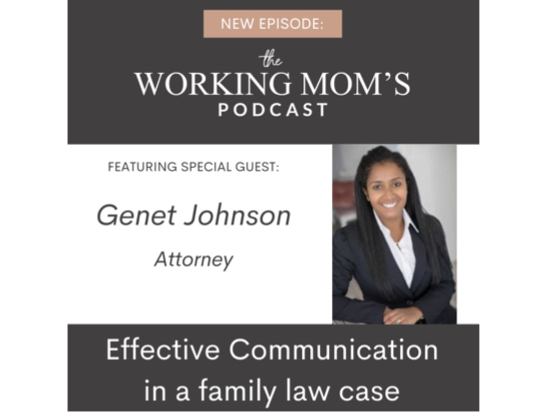
The Working Moms Podcast Episode 025: Effective Communication in a Family Law Case
Nearly three years have passed since Aretha Franklin, known as the “Queen of Soul,” died from pancreatic cancer at age 76. At the time, her total fortune was estimated to be worth up to $80 million. Yet due to poor estate planning, the late singer’s children have yet to see a dime of their inheritance, and what they ultimately do receive will be significantly depleted by back taxes. Moreover, it’s still not clear whether or not Aretha ever had a valid will.
When she passed away in August 2018, her family thought that Aretha died without any estate plan at all. But since then, four different wills attributed to the late singer have been discovered. And ever since those documents came to light, her four adult sons—Clarence, Edward, Ted White Jr., and Kecalf—have been in court fighting one another over her assets, as well as who among them should be designated as the estate’s representative.
While a trial is set for August to establish whether any of the four documents, some of which are handwritten and barely legible, can formally stand as her will, Aretha’s story demonstrates just how destructive shoddy estate planning can be for the loved ones we leave behind.
Indeed, although her alleged wills clearly show Aretha was concerned for the well-being of her family and wanted them to share her fortune, the legendary singer’s haphazard planning has pitted brother against brother, exposed dark family secrets, and lost millions of dollars to the IRS. And perhaps worst of all, while the legendary singer was notoriously private, all of this has played out in the news headlines for the whole world to see.
Aretha’s situation is definitely tragic, and sadly, far too common among famous musicians—Prince, Jimi Hendrix, and Bob Marley all died without a will. Yet we cover her story and others like it in hopes that it will inspire you to do right by your loved ones by creating a proper estate plan.
And such planning is vital even if you have far less wealth than Aretha. In fact, planning can be even more critical for those with fewer assets. After all, given Aretha’s massive fortune, it’s likely that her heirs will still receive an inheritance, while similar mistakes would likely totally wipe out a smaller estate.
With this in mind, here we’ll discuss Aretha’s planning mistakes and how those errors have impacted both her family and fortune. From there, we’ll explain how proper planning could have prevented the entire mess from ever happening, and then we’ll outline the steps you can take to make certain that, unlike Aretha, your loved ones never have to endure such a nightmare.
Three Wills, a Sofa, and a Spiral Notebook
As we first reported in 2018, Aretha passed away due to pancreatic cancer in her Detroit home on August 16, 2018. At the time, it was widely believed she didn’t have a will. As a result, Michigan law stipulated her assets would be divided equally among her four adult sons, and they agreed to designate their cousin—Franklin’s niece, Sabrina Owens—as the estate’s executor.
But in May 2019, nine months after Aretha’s death, Sabrina discovered three different handwritten wills while cleaning out the late singer’s home. According to Hour Detroit magazine, the three documents—two of which were dated from 2010 and found in a locked cabinet and one dated from 2014 was scribbled in a spiral notebook found under her sofa cushions—contain conflicting instructions for how the singer wanted her assets divided and whom she wanted as her executor.
The 2010 copies of Aretha’s handwritten will provide for regular allowances for all four sons and leave specific assets to each of them. Those documents also name Sabrina and her son Ted as executors. The 2014 version, however, provides for a simpler division of her assets in equal shares between her three youngest sons, and it leaves the decision as to how much money their older brother, Clarence, should receive up to his three brothers.
Clarence, Aretha’s first child, has unspecified special needs, and he is currently 66 years old and has lived in a group home near Detroit for decades. Clarence is represented by his own court-appointed attorney.
Furthermore, in her 2014 will, Aretha reportedly wrote the names of Sabrina, Ted, and Kecalf as executors, but then apparently crossed out the first two names, according to Hour Detroit. Given this, when the three wills were discovered, Kecalf filed in court to be appointed as the estate’s executor.
However, Ted and the attorney for Clarence, fought against this move. In a court filing, Clarence’s attorney noted that Kecalf isn’t fit to be the executor, as he has not “displayed any ability or inclination to support himself and lacks the financial knowledge or ability to act as a fiduciary.”
Family Secrets Come to Light
In addition to causing infighting between the brothers, Aretha’s handwritten wills also disclosed a previously unknown fact about Clarence’s father, according to a report by NBC News. Aretha gave birth to Clarence Franklin in 1955, when she was just 12 years old. The late singer rarely discussed her personal life in public, and up until recently, Clarence’s father was reported to be a friend of Aretha’s from school, named Donald Burk.
However, one of the handwritten wills from 2010 names Clarence’s father as Edward Jordan Sr., who’s also the father of Aretha’s second son, Edward, who was born when she was 14. Little is known about Jordan, but in the will, Aretha makes it clear that he was a terrible father and should get nothing from her estate.
On page six of the purported document, Aretha wrote, “His father, Edward Jordan Sr., should never receive or handle any money or property belonging to Clarence or that Clarence receives, as he has never made any contribution to his welfare, future, or past.” In both instances, the word “never” was underlined.
The resulting court battle between the brothers also led Sabrina to quit as executor. In January 2020, Sabrina filed her resignation with the court, noting that the family feud “is not what would have wanted for us.” With Sabrina gone, in March 2020, Oakland County Probate Court Judge Jennifer Callaghan appointed Reginald Turner, a Detroit attorney and longtime friend of Aretha’s, as temporary personal representative for the estate.
The judge also scheduled a hearing for June 2020 to determine whether any of the three handwritten wills can be deemed valid. Under Michigan law, a handwritten, or holographic, will can be valid as long as it meets three primary requirements: it must be dated, signed, and written by the decedent.
A Fourth Will Appears
Although the judge set a trial to determine the validity of the three wills for the summer of 2020, the ensuing pandemic caused that trial to be delayed—and in the interim, yet another will was uncovered.
According to the New York Times, the latest version of her will, which was filed in probate court in March 2021 by lawyers for Clarence and Ted, including a typed, eight-page document, titled “The Will of Aretha Franklin,” along with another 23 pages that reportedly lay out the terms of a trust for Clarence. The documents are stamped as “draft” and unsigned.
The latest will was reportedly created by Aretha with the law firm Dickinson Wright in 2018, which would make it the most recent. According to the court filing, Aretha hired Detroit lawyer Henry Grix to assist her with estate planning, and the filing includes correspondence between Grix and Aretha discussing her estate plan that’s dated back to 2017.
As for the division of her assets, the draft of the fourth will would create a trust to benefit Clarence, and it would split her remaining assets equally between her three other sons and leave specific assets to her other relatives. The will also stipulates that the three youngest sons should serve as the estate’s representatives, and as such, they would have the authority to make determinations about the late singer’s music rights, name, and likeness.
According to the lawyers for Clarence and Ted, the documents show that Aretha hired Grix and had been in discussions with him for more than two years about her estate plan, and the documents contained her initials. However, the late singer became too ill “to finish discussions on a few items” and was unable to sign the papers.
It remains unclear exactly how the documents were obtained and why it took so long for them to come to light. While the court filing noted that the documents were discovered “late in 2019,” the lawyer for Clarence told the New York Times that the date was a mistake and that he actually received the document in December 2020 in a response to a subpoena.
Although the fourth will was not signed by Aretha, in his petition, Ted asks the court to recognize the draft of the will and its accompanying notes as Aretha’s final wishes. His petition cites a Michigan law that allows a deceased person’s “intent to be recognized even if the documents are defective in execution.”
In light of the new will, the judge scheduled a trial for August 2021 to determine whether any of the documents that have been found can be deemed a valid will and therefore govern the Queen of Soul’s estate.
An Incomplete and Inadequate Plan
Based on all of the different versions of her will, it’s clear that Aretha cared deeply about her four sons and other family members, and she wanted her loved ones to benefit from her wealth and other assets. However, given that her first few attempts at planning were done on her own, by hand, and then seemingly lost or forgotten about, she didn’t take the job as seriously as she should have—at least in the beginning.
Additionally, while the discovery of the fourth will suggests that Aretha did get serious about creating a more formal plan in her final years, it’s puzzling why that version of her will and its corresponding instructions to create a trust for her oldest son, Clarence, didn’t surface earlier. Indeed, if the New York Times report is accurate, those documents were only uncovered in response to a subpoena, and even then, they were incomplete, unsigned, and in our opinion, far from adequate for an estate that large and complex.
What’s more, as we’ll discuss further in the second part of this series, even if Aretha’s fourth will is ruled valid, her estate is still on the hook for millions in back taxes. According to the Detroit Free Press, when she died in 2018, the IRS claimed the singer’s estate owed more than $7.8 million in unpaid income taxes, interest, and penalties. While the sons have reportedly worked out a tentative deal with the IRS that will finally give them access to small cash payments from their mother’s estate, the terms of the deal must still be approved by Judge Callaghan.
Adding that huge tax liability on top of all the other troubles that have plagued her loved ones since the day she died, it becomes all too clear that Aretha could have done a much better job at estate planning. As we’ll see next week, with the proper planning, the legendary singer’s loved ones would have had immediate access to her assets upon her death, avoiding the need for court involvement altogether and kept the contents and terms of her estate totally private.
What’s more, a truly effective plan also would have provided a lifetime’s worth of support for her eldest son Clarence, who has special needs and will likely need financial support for the rest of his life. Most importantly, it would have done so without disqualifying Clarence for vital governmental support, which is essential for those with special needs. If you have a loved one with special needs, contact us, your Personal Family Lawyer® to learn more about the unique strategies involved with estate planning for those with special needs.
Next week, in part two of this series, we’ll discuss how Aretha’s poor planning created an enormous tax bill for her loved ones, and how the late singer could have avoided that liability, along with all of the other problems her heirs are currently facing, using proactive estate planning.
Proper estate planning can keep your family out of conflict, out of court, and out of the public eye. Are you ready to protect your loved ones and legacy? Check out my next presentation.

Almost Three Years After Her Death, Aretha Franklin’s Poor Estate Planning Continues To Haunt Her Family—Part 1
The Netflix movie I Care a Lot provides a dark, violent, and somewhat comedic take on the real life and not-at-all funny dangers of the legal (and sometimes corrupt) guardianship system. While the film’s twisting plot may seem far fetched, it sheds light on a tragic phenomenon—the abuse of seniors at the hands of crooked “professional” guardians.
Last week in part one of this series we offered a brief synopsis of the movie, which revolves around Marla Grayson, a crooked professional guardian who makes her living by preying on vulnerable seniors, and we then outlined the true events that inspired the fictional account. The film’s writer and director, J. Blakeson, came up with the idea after reading news stories of a similar scam involving a corrupt professional guardianship agency in Las Vegas.
In that case, a real-life Marla Grayson named April Parks, who owned a company called A Private Professional Guardian, was sentenced to up to 40 years in prison in 2018 after being indicted on more than 200 felonies for using her guardianship status to swindle more than 150 seniors out of their life savings. While I Care a Lot is fictional, the Parks case also inspired the 2018 documentary, The Guardians, directed by award-winning filmmaker Billie Mintz, and his film details the terrifying true events that ravaged the Nevada guardianship industry.
In a Facebook post, Mintz praises I Care a Lot as “a perfect introduction to guardianship,” but worries that because of the movie’s heavy focus on violence and Russian mobsters, “people won’t believe it’s real.” However, as Mintz points out, “I assure you that everything you see about guardianship is true.”
Indeed, while the Parks case is the most famous, similar cases of senior abuse by professional guardians are on the rise across the country. A 2010 report by the Government Accountability Office found hundreds of cases where guardians were involved in the abuse, exploitation, and neglect of seniors placed under their supervision. And given the country’s exploding elderly population and our overloaded court system, such abuse will almost certainly become more common.
Additionally, although most of the cases that have made the news have involved the elderly, the fact is, any adult could face court-ordered guardianship if they become incapacitated by illness or injury and haven’t put the proper legal protections in place.
To this end, here in part two, we’re going to explain how you can protect yourself and your loved ones from such abuse using proactive estate planning.
How It Happens
Should you become incapacitated without any planning in place (due to illness or injury), your family (or a friend) would have to petition the court in order to be granted guardianship. In most cases, the court would appoint a family member as guardian, but this isn’t always the case. If you have no living family members, or those you do have are unwilling or unable to serve or deemed unsuitable by the court, a professional guardian would be appointed.
Beyond the potential for abuse by professional guardians, if you become incapacitated and your family is forced into court seeking guardianship, they are likely to endure a costly, drawn out, and emotionally taxing process. Not only can the legal fees and court costs drain your estate, but if your loved ones disagree over who is best suited to serve as your guardian, it could cause a bitter conflict that could tear your family apart and make it less likely that you get the kind of care you want.
In another scenario, should your loved ones disagree about who should be your guardian, the court could decide that naming a relative as your guardian would be too disruptive to your family dynamics and appoint a professional guardian instead. However, if you have the proper planning vehicles in place, it is highly unlikely for a guardian to be appointed against your wishes.
A Comprehensive Plan For Incapacity
Should you become incapacitated, a comprehensive incapacity plan would give the individual, or individuals, of your choice the immediate authority to make your medical, financial, and legal decisions, without the need for court intervention. Moreover, such planning allows you to provide clear guidance about your wishes, so there is no mistake about how these decisions should be made.
There are several planning vehicles that can go into a comprehensive plan for incapacity, but a will is not among them. A will only goes into effect upon your death, and then, it merely governs how your assets should be divided, so it would do nothing to protect you in the event of incapacity.
When it comes to creating your incapacity plan, your best bet is to put in place a number of different planning tools rather than a single document. To this end, your plan should include some or all of the following:
- Durable financial power of attorney: This document grants an individual of your choice the immediate authority to make decisions related to the management of your financial and legal affairs.
- Revocable living trust: A living trust immediately transfers control of all assets held by the trust to a person of your choice to be used for your benefit in the event of your incapacity. The trust can include legally binding instructions for how your care should be managed, and the document can even spell out specific conditions that must be met for you to be deemed incapacitated.
- Medical power of attorney: A medical power of attorney grants an individual of your choice the immediate legal authority to make decisions about your medical treatment in the event of your incapacity.
- Living will: A living will ((sometimes called an advance directive) provides specific guidance about how your medical decisions should be made during your incapacity, particularly at the end of life. In some instances, a medical power of attorney and a living will are combined in a single document.
But here is the thing about all of these documents—they are just documents and not guidance for the people you love. If you really want to keep your family and friends out of court and out of conflict, you cannot just rely on documents to do it. Rather, these documents should be created by a lawyer who will get to know you, your wishes, and be there for you throughout the many stages of life, plus be there for your family and friends if and when you can’t be.
Communication is Key
In addition to the above planning tools, it is equally—if not more—important for your loved ones to be aware of your plan and understand their role in it. As part of our planning process, we hold a family meeting with all of the individuals impacted by your plan where we walk them through your plan and explain the reasoning behind your decisions and what they need to do if something happens to you.
By combining your comprehensive incapacity plan with a team of people who care for you, can watch out for you, and know exactly what to do in the event tragedy strikes, we can make it virtually impossible for you to be abused by a professional guardian.
Don’t Put It Off
Although incapacity from dementia is most common in the elderly, debilitating injury and illness can strike at any point in life. Given this, all adults 18 and older should have an incapacity plan. Furthermore, planning for incapacity must take place well before any cognitive decline appears, since you must be able to clearly express your wishes and consent for the documents to be valid.
In light of this, you should get your own planning handled first, and then discuss the need for planning with your aging parents as soon as possible, and from there, schedule a Family Wealth Planning Session with us to get a plan started. And if you or your senior loved ones already have an incapacity plan, we can review it to make sure it has been properly set up, maintained, and updated. Unfortunately, a plan put in place years ago is unlikely to work now, so updating is critical, and unfortunately often not overlooked.
Indeed, once you have a plan in place, make sure to regularly review and update it to keep pace with life changes, changes in your assets, or changes in your family structure. And if any of the individuals you have named become unable or unwilling to serve for whatever reason, you will need to revise your plan—and we can help with that too.
Retain Control of Your Life and Assets
To avoid the loss of autonomy, family conflict, and potential for abuse that comes with a court-ordered guardianship, we invite you to meet with us as your Personal Family Lawyer®. While there is no way to prevent dementia and other forms of cognitive decline or an unexpected illness or injury, we can put planning tools in place to ensure that you at least have some control over how your life and assets will be managed if it ever does occur. Contact us today to schedule your appointment.
Proper estate planning can keep your family out of conflict, out of court, and out of the public eye. Are you ready to protect your loved ones and legacy? Check out my next presentation.

Legal Gangsters: Netflix’s I Care a Lot Uncovers the Dark Side of Legal Guardianship—Part 2
“Micro self-care really matters,” says Lori Mihalich-Levin, partner at a global law firm and founder of Mindful Return, an online community for working parents transitioning back from parental leave. In this episode of the Working Moms podcast, Lori is talking about all her tips and tricks for parents transitioning back to work — from building community to buying noise cancelling headphones so you can work from home without going bonkers.
Lori focuses the conversation around the four pillars of her Mindful Return program: mindset, logistics, leadership, and connection. Those pillars are based on her own experience as a working mom trying to go back to the law firm without any support or guidance. As Lori says, “There were a ton of classes about what my baby needs, but nothing about what I need as a parent.”
Lori shares tons of amazing, tangible, practical tips that you can do, whether you are back in the office or still working from home in this week’s episode, so don’t miss it!
Quotes:
- “People since the dawn of time have been engaged their villages in caring for their children. What we do that’s weird is expect that it’s just one person that’s supposed to be doing it.” (10:59-11:09)
- “My legacy is normalizing working parenthood. I blare it from the rooftops that I’ve got these kids and I’m a kickass partner at a law firm. It is possible to have the street cred and have babies as well.” (16:50-17:05)
Links Mentioned:
https://www.mindfulreturn.com/working-mom-not-abandoning/
Facebook Group:
https://www.facebook.com/groups/theworkingmoms
Pamela Maass on Linkedin:
https://www.linkedin.com/in/pamela-maass/
Law Mother Website:
Podcast production and show notes provided by FIRESIDE Marketing
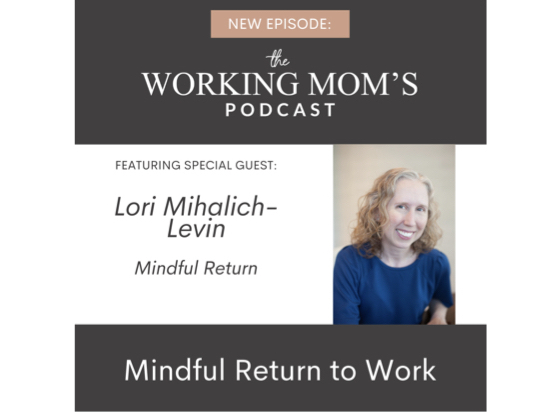
Working Mom’s Podcast 0024: Mindful Return to Work
The Netflix movie I Care a Lot provides a dark, violent, and somewhat comedic take on the real life and not-at-all funny dangers of the legal (and sometimes corrupt) guardianship system. While the film’s twisting plot may seem far fetched, it sheds light on a tragic phenomenon—the abuse of seniors at the hands of crooked “professional” guardians.
In this two-part series, we’ll discuss how the movie depicts such abuse, how this can occur in real life, and what you can do to prevent something similar from happening to you or your loved ones using proactive estate planning and our Family Wealth Planning process. For support in putting airtight, protective planning vehicles in place, meet with us as your Personal Family Lawyer®.
Note: This article contains spoilers for the movie I Care a Lot.
At the beginning of the movie, we meet Marla Grayson, a crooked professional guardian who makes her living by preying on vulnerable seniors. A professional guardian is a person appointed by the court to make legal and financial decisions for senior “wards” of the court, who are deemed unable to make such decisions for themselves.
Working with a corrupt doctor, Marla targets wealthy victims and gets a judge to order these individuals unfit to care for themselves and then appoint her as their guardian. From there, she and her business partner/ girlfriend, Fran, move the seniors into a nursing home, seize their homes, and sell all of their assets for their own financial gain.
Marla’s scheme takes a turn for the worse when her latest senior victim, Jennifer Peterson, turns out to be the mother of a Russian mob boss named Roman Lunyov. After Marla has Jennifer placed in a long-term care facility, Roman tries unsuccessfully to get his mother out of the facility, first by bribing Marla, then through the court, and finally by trying to break her out.
While this may seem ludicrous, this kind of abuse actually happens outside of the movies to seniors with significant assets, even those with caring adult children like Roman.
At this point, the movie descends into a violent back-and-forth between Roman and Marla, as they each try and fail to kill one another, until they both decide that rather than murdering each other, they could make more money by going into business together.
Fast forward to several years later, we learn that Marla and Roman have become millionaires after starting a global chain of senior care services, called Grayson Guardianships, which employs thousands of crooked guardians overseeing hundreds of thousands of “clients” all over the world.
Based On True Events
With its over-the-top violence, kidnappings, and Russian mobsters, some might dismiss I Care a Lot as nothing but Hollywood hype and find it hard to believe that an operation as sinister as Marla’s could ever actually exist. But the fact is, the movie’s writer and director, J. Blakeson, came up with the idea after reading news stories about very similar (less the mob and murder) situations. And knowing such things actually happen makes the movie even more terrifying.
“The idea first came when I heard news stories about these predatory legal guardians who were exploiting this legal loophole and exploiting the vulnerability in the system to take advantage of older people, basically stripping them of their life and assets to fill their own pockets,” Blakeson told Esquire Magazine. “They run through their money as fast as possible, store them in the worst care home, and just forget about them. Just park them and then move on to the next one, and that felt almost like a gangster’s operation.”
And while the real-life scams never reached a level on par with Grayson’s Guardians, one crooked professional guardianship business in Las Vegas did manage to bilk hundreds of unsuspecting seniors out of their life savings. As we detailed in our previous article, Use Estate Planning to Avoid Adult Guardianship—and Elder Abuse, a real-life Marla Grayson named April Parks, who owned a Las Vegas-based company called A Private Professional Guardian, was sentenced to up to 40 years in prison in 2018 after being indicted on more than 200 felonies for using her guardianship status to swindle more than 150 seniors.
In her case, prosecutors described how Parks, in a similar fashion as Marla, used a shady network of social workers and medical professionals who helped her track down her elderly victims. On the lookout for wealthy seniors with a history of health issues and few living relatives, Parks was often able to obtain court-sanctioned guardianship during court hearings that lasted less than two minutes.
From there, the guardians would force the elderly out of their homes and into assisted-living facilities and nursing homes. They would then sell off their homes and other assets, keeping the proceeds for themselves. Even worse, the guardians were often able to prevent the seniors from seeing or speaking with their family members, leaving them isolated and even more vulnerable to exploitation.
The Most Punitive Civil Penalty
What makes these cases particularly tragic is the fact that for the most part everything these unscrupulous guardians did is perfectly legal. As Blakeson put it, “They had the law on their side, and there was nothing you could do.” Although guardianships are designed to protect the elderly from their own poor decisions, guardianship can turn out to be more of a punishment than a benefit.
In a 2018 New York Times article detailing the state of the guardianship system in New York, Florida congressman Claude Pepper described guardianship as “the most punitive civil penalty that can be levied against an American citizen, with the exception, of course, of the death penalty.”
Indeed, once you’ve been placed under court-ordered guardianship, you essentially lose all of your civil rights. Whether it’s a family member or a professional, the person named as your guardian has complete legal authority to control every facet of your life. While guardianship is governed by state law and varies from state to state, some of the most common powers guardians are granted include the following:
- Determining where you live, including moving you into a nursing home
- Complete control over your finances, real estate, and other assets
- Making all of your healthcare decisions and providing consent for medical treatments
- Placing restrictions on your communications and interactions with others, including family members
- Making decisions about your daily life such as recreational activities, clothing, and food choices
- Making end-of-life and other palliative-care decisions
Additionally, though it’s possible for a guardianship to be terminated by the court if it can be proven that the need for guardianship no longer exists, a study by the American Bar Association (ABA) found that such attempts typically fail. And those family members who do try to fight against court-appointed guardians frequently end up paying hefty sums of money in attorney’s fees and court costs, with some even going bankrupt in the process.
Protection Through Planning
Given the potential for neglect, abuse, and exploitation that guardianship affords, it’s crucial that seniors and their families take the proper steps to prevent any and all possibility of falling prey to such scams. Moreover, because any adult could face court-ordered guardianship if they become incapacitated by illness or injury, it’s vital that every person over age 18—not just seniors—take proactive measures to prepare for potential incapacity.
Fortunately, there are multiple estate planning tools that can prevent such abuse from occurring. With us, as your Personal Family Lawyer®, we can put planning vehicles in place and offer ongoing advisory and support that would make it practically impossible for a legal guardian to ever be appointed—or need to be appointed—against your wishes.
Next week, we’ll continue with part two in this series on the dark side of adult guardianship and offer tips for how you can avoid the potential for abuse using estate planning.
Proper estate planning can keep your family out of conflict, out of court, and out of the public eye. Are you ready to protect your loved ones and legacy? Check out my next presentation.

.svg)
