

Welcome to the Blog
Keep up with the latest news and updates
Wills and trusts are two of the most commonly used estate planning documents, and they form the foundation of most estate plans. While both documents are legal vehicles designed to distribute your assets to your loved ones upon your death, the way in which they work is quite different.
From when they take effect and the property they cover to how they are administered, wills and trusts have some key differences that you need to consider when creating your estate plan. That said, when comparing the two documents, you won’t necessarily be choosing between one or the other—most plans include both.
In fact, a will is a foundational part of nearly every person’s estate plan. Yet, you may want to combine your will with a living trust to avoid the blind spots inherent in plans that rely solely on a will. As you’ll learn below, the biggest of these blind spots is the fact that if your estate plan only consists of a will, you are guaranteeing your family has to go to court if you become incapacitated or when you die.
To determine the right solution for your family, you should meet with us, your Personal Family Lawyer® for a Family Wealth Planning Session™. We offer a comprehensive process for helping you feel confident that you’ve chosen the right planning tools at the right fees for yourself and the people you love.
In the meantime, here are some of the key differences between wills and trusts that you should be aware of.
When They Take Effect
A will only will go into effect when you die, while a trust takes effect as soon as it’s signed and your assets are transferred into the name of the trust, known as “funding” the trust. To this end, a will directs who will receive your assets upon your death, while a trust specifies how your assets will be distributed before your death, at your death, or at a specified time after death. This is what keeps your family out of court in the event of your incapacity or death.
Furthermore, because a will only goes into effect when you die, it offers no protection if you become incapacitated and are no longer able to make decisions about your financial, legal, and healthcare needs. If you do become incapacitated, your family will have to petition the court to appoint a conservator or guardian to handle your affairs, which can be costly, time-consuming, and stressful.
And there’s always the possibility that the court could appoint a family member as a guardian that you’d never want making such critical decisions on your behalf. Or the court might select a professional guardian, putting a total stranger in control of just about every aspect of your life and leaving you open to potential fraud and abuse by crooked guardians.
With a trust, however, you can include provisions that appoint someone of your choosing—not the court’s—to handle your assets if you’re unable to do so. When combined with a well-drafted medical power of attorney and living will, a trust can keep your family out of court and out of conflict in the event of your incapacity, while ensuring your wishes regarding your medical treatment and end-of-life care are carried out exactly as you intended.
The Assets They Cover
A will covers any asset solely owned in your name. A will does not cover property co-owned by you with others listed as joint tenants, nor does your will cover assets that pass directly to your loved ones via a beneficiary designation, such as life insurance, IRAs, 401(k)s, and payable-on-death bank accounts.
Trusts, on the other hand, cover any asset that has been transferred, or “funded,” to the trust or where the trust is the named beneficiary of an account or policy. That said, if an asset hasn’t been properly funded to the trust, it won’t be covered, so it’s critical to work with your Personal Family Lawyer® to ensure your trust works as intended.
Most lawyers will set up a trust for you, but few will ensure your assets are properly inventoried or funded, and we believe this is the single most important aspect of estate planning—and it’s one that is almost always overlooked. As your Personal Family Lawyer®, we will not only make sure your assets are properly inventoried and titled when you initially set up your trust, we’ll also ensure that any new assets you acquire over the course of your life are inventoried and properly funded to your trust on an ongoing basis, with various maintenance plans to ensure your plan works when your family needs it. This keeps your assets from being lost and prevents your family from being inadvertently forced into court because your plan was never fully completed.
Finally, even with the support of a lawyer like us, it can sometimes be difficult to transfer every single one of your assets into a trust before your death. Given this, consider combining your trust with what’s known as a “pour-over” will. With a pour-over will in place, all assets not held by the trust upon your death are transferred, or “poured,” into your trust through the probate process.
How They Are Administered
In order for assets in a will to be transferred to a beneficiary, the will must pass through the court process known as probate. During probate, the court oversees the will’s administration, ensuring your assets are distributed according to your wishes, with automatic supervision to handle any disputes.
However, probate proceedings can drag out for months or even years, and your family will likely have to hire an attorney to represent them, which can result in costly legal fees that can drain your estate. During probate, there’s also the chance that one of your family members might contest your will, especially if you have disinherited someone or plan to leave significantly more money to one relative than the others.
Bottom line: If your estate plan consists of a will alone, you are guaranteeing your family will have to go to court if you become incapacitated or when you die.
Furthermore, since probate is a public proceeding, your will becomes part of the public record upon your death. This means everyone will be able to learn the contents of your estate, who your beneficiaries are, and what they inherit, setting them up as potential targets for scam artists and frauds.
Unlike wills, trusts don’t require your family to go through probate, which can save them time, money, and the potential for conflict. Plus, when you have a trust set up, the distribution of your assets happens in the privacy of our office—not the courtroom—so the contents and terms of your trust will remain completely private.
How Much They Cost
Wills and trusts do differ in cost—not only when they’re created, but also when they’re used. The average will-based estate plan can run between $500 to $2,000, depending on the options selected. An average trust-based plan can be set up for $3,000 to $5,000, again depending on the options chosen. So at least on the front end, wills are less expensive than trusts.
However, wills must go through probate, where attorney fees and court costs can be quite pricey, especially if the will is contested. So even though a trust may cost more upfront to create than a will, the total costs once probate is factored in can actually make a trust the less expensive option in the long run.
That said, each family’s circumstances are different, and this is why as your Personal Family Lawyer® we do not create any documents until we know what you actually need, and what will be the most affordable solution for you and your family, both now and in the future, based on your family dynamics, your assets, and your desires.
With this in mind, our Family Wealth Planning Session Process™ is designed to compare the costs of will-based planning and trust-based planning with you, so you know exactly what you want and why, as well as the total costs and benefits over the long term.
Find The Option That’s Right For Your Family
The best way for you to determine whether or not your estate plan should include a will, a living trust, or some combination of the two is to meet with us as your Personal Family Lawyer® for a Family Wealth Planning Session™. During this process, we’ll take you through an analysis of your assets, what’s most important to you, and what will happen to your loved ones when you become incapacitated or die.
Sitting down with us, your Personal Family Lawyer® will empower you to feel 100% confident that you have the right combination of estate planning solutions to fit with your unique asset profile, family dynamics, and budget. Schedule your appointment today to get started.
This article is a service of Pam Maass, Personal Family Lawyer®. We do not just draft documents; we ensure you make informed and empowered decisions about life and death, for yourself and the people you love. That’s why we offer a Family Wealth Planning Session™, during which you will get more financially organized than you’ve ever been before and make all the best choices for the people you love. You can begin by calling our office today to schedule a Family Wealth Planning Session and mention this article to find out how to get this $750 session at no charge.
Subheading
“Lorem ipsum dolor sit amet, consectetur adipiscing elit, sed do eiusmod tempor incididunt ut labore et dolore magna aliqua. Ut enim ad minim veniam, quis nostrud exercitation ullamco laboris nisi ut aliquip ex ea commodo consequat. Duis aute irure dolor in reprehenderit in voluptate velit esse cillum dolore eu fugiat nulla pariatur. Excepteur sint occaecat cupidatat non proident, sunt in culpa qui officia deserunt mollit anim id est laborum.”
Proper estate planning can keep your family out of conflict, out of court, and out of the public eye. Are you ready to protect your loved ones and legacy? Check out my next presentation.

Estate Planning 101: Wills vs. Trusts
Legendary hip hop artist DMX—born Earl Simmons—passed away on April 9 at age 50 after suffering a massive heart attack a week earlier at his home in White Plains, New York. The heart attack was reportedly triggered by a cocaine overdose on April 2, which left the rapper hospitalized in a coma. After a week of lingering in a vegetative state, his family made the decision to remove him from life support.
As we reported last week in part one, although DMX was wildly successful in both music and movies, the rap icon experienced serious legal and financial problems, along with frequent issues with drug addiction throughout his career. Having fathered 15 children with nine different women, DMX’s money issues largely stemmed from unpaid child support, but he also failed to pay income taxes, and both of these issues would land the rapper in prison and rehab on more than one occasion.
The combination of child support payments and back income taxes also left DMX deeply in debt. In fact, some estimates put DMX’s net worth at the time of death at more than $1 million in the red. However, as with other famous musicians, DMX’s overall net worth also included extensive recording and publishing royalties—valued at an estimated $17.7 million—so even though DMX’s estate will have to pay off his massive debts, there will likely be a fairly significant sum left for the late rapper’s children to inherit.
That said, on top of his failure to manage his finances, DMX also failed to create an estate plan. And as we’ll see below, this lack of planning has already ignited a court battle among the late rapper’s many potential heirs. Even worse, the rap icon’s lack of planning will likely mean that his fiancée, Desiree Lindstrom, the mother of DMX’s 15th child, son Exodus Simmons, will most likely inherit nothing from her late fiance’s fortune.
A Family Feud Kicks Off
Although Desiree and DMX were in a relationship for seven years and raising their son together when he died, the two were never married. In an attempt to establish a claim to his estate, shortly following DMX’s death, Desiree petitioned the New York Supreme Court in an attempt to be legally declared his “common-law” spouse. But the court denied her request, which isn’t surprising given that New York hasn’t recognized common-law marriage since 1933. Had her request been approved, state law would give Desiree priority to control DMX’s estate as its administrator .
In light of the court’s ruling, Desiree will likely have zero say in how DMX’s estate is managed, and unless his other children consent, she likely won’t inherit any of his money either. And seeing that a court battle is already brewing among DMX’s oldest children over the administrator role, it’s doubtful that Desiree will be at the top of their minds when it comes to dividing up their late father’s assets.
Just a month after DMX’s death, five of his adult children petitioned the Westchester County Surrogate’s Court seeking to be named administrators of their late father’s estate. According to the New York Daily News, the first filing was made by DMX’s daughters Sasha Simmons and Jada Oden on May 10, while DMX’s three adult sons with Tashera Simmons—Xavier, Tacoma, and Sean—filed their petition to be appointed administrators on May 10.
Because DMX was unmarried and died without a will, New York law stipulates that his assets are to be equally divided among his 15 children. However, it’s unclear just how much wealth there will be to go around after all of DMX’s debts to the IRS and other creditors are paid off.
In their court filings, his daughters estimated the worth of DMX’s estate at less than $50,000, while his sons put the value at less than $1 million. Media reports of DMX’s net worth at death also vary widely, but they all show him deeply in the red. Celebrity Net Worth, for example, puts his net worth at negative $1 million, while MoneyInc estimates his total net worth was a whopping $10 million in the red.
The Fight To Control DMX’s Artistic Legacy
If DMX was so deeply in the hole, you might wonder why his children would be in such a rush to be named administrator of his estate. While each of DMX’s children stand to inherit an equal share of his assets under the law, his older kids are likely vying for the administrator role in order to gain control over the estate’s future earnings. Upon his death, Billboard estimated that DMX’s total music and publishing royalties were worth $17.7 million, and given the rap star’s popularity and extensive catalogue, those assets are likely to steadily increase in value as the years go by.
Whoever is eventually appointed to administer DMX’s estate will not only be paid a commission, but more importantly, that person will also be in charge of making all of the estate’s future business and financial decisions. Furthermore, the administrator will also be in charge of reviewing and approving the claims of competing heirs. With such power and money on the line, it’s not surprising so many of DMX’s children are jockeying for the administrator role.
Unfortunately, as we’ve seen with both Prince and Aretha Franklin, such family disputes can last for years, tearing the family apart, costing the estate millions in legal fees, and exposing the family’s private lives to tabloid headlines. And in the end, the court may decide to avoid causing a family squabble by appointing a neutral third-party administrator to manage DMX’s estate, leaving a total stranger in control of his life’s work.
A Needless Tragedy
The saddest part of this whole situation is that virtually all of the conflict, expense, and trauma that DMX’s loved ones are likely to endure could have been easily prevented with straightforward estate planning. Using revocable living trusts, for example, DMX could have ensured that his children and fiancée would have immediate access to his assets upon his death or incapacity, avoiding the need for court involvement altogether and keeping the contents and terms of his estate totally private.
At the same time, using special asset protection trusts, DMX could have named a person, or persons, of his choice—rather than a person chosen by the court—to manage his music and publishing assets upon his death, thereby ensuring DMX’s artistic legacy is honored and preserved in the exact manner the rap legend would want. Furthermore, DMX could have used asset-protection planning to minimize his tax liability and shield his recording and publishing royalties from creditors in order to maximize his estate’s future revenue potential and guarantee his loved ones a source of income for generations to come.
The Power Over Life And Death
Finally, DMX’s story highlights the vital importance of incapacity planning. Estate planning is about more than planning for your eventual death; it’s also about planning for a potential incapacity from accident or illness.
In DMX’s case, his incapacity was brought on by a cocaine-induced heart attack, and he lingered in a coma for a week before being removed from life support. Because he didn’t have any planning in place, DMX’s mother, Arnette Simmons, was reportedly put in charge of making all of DMX’s medical decisions, including the ultimate decision to remove him from life support. And as we reported last week, this is the same woman who is said to have abused DMX when he was a child.
While DMX reportedly reconciled with his mother in recent years, he may have preferred to have someone else—like his fiancée Desiree—in charge of making life and death decisions for him. Additionally, although DMX’s mother and children were reportedly cordial with Desiree while he was hospitalized and did allow her to visit him, because they weren’t married, his family could have just as easily denied Desiree the right to see DMX during his final days. DMX could have prevented all of this with proper estate planning.
Through a medical power of attorney, DMX could have granted an individual of his choice, such as his fiancée, Desiree, the immediate legal authority to make decisions about his medical treatment in the event of his incapacity. And with a living will, DMX could have provided detailed guidance about how his medical decisions should be made during his incapacity. Such guidance could include instructions for everything from who should be allowed to visit him in the hospital and what kind of food he would want to specifying if and when he would want life support removed.
While advance healthcare directives like medical power of attorney and a living will are the foundation of any incapacity plan, for truly comprehensive incapacity planning, your estate plan may also require other planning vehicles, such as a durable financial power of attorney and living trusts. Meet with us, your Personal Family Lawyer® for support in putting in place an incapacity plan that’s right for your particular situation.
Learn From DMX’s Mistakes
Regardless of your financial status, planning for your potential incapacity and eventual death is something you should take care of immediately, especially if you have children. As we saw with DMX, you never know when tragedy may strike, and through estate planning, you can save your family from needless disputes, expense, and embarrassing public exposure.
Beyond just passing on your material assets to your loved ones when you die, estate planning is also critical to ensure you’ll be properly cared for in the event of your incapacity from illness or injury. And when done right, estate planning doesn’t just help you plan for incapacity and death, but makes your life better as well by giving you the peace of mind of knowing you’ve made the right legal and financial decisions for yourself and those you love.
Whether you already have an estate plan created or nothing at all, meet with us, your Personal Family Lawyer®,to discuss the specific planning strategies best suited for your asset profile and family dynamics. With our guidance and support, we can ensure that your loved ones will stay out of court and out of conflict no matter what. Contact us today to schedule an appointment.
This article is a service of Pam Maass, Personal Family Lawyer®. We do not just draft documents; we ensure you make informed and empowered decisions about life and death, for yourself and the people you love. That’s why we offer a Family Wealth Planning Session™, during which you will get more financially organized than you’ve ever been before and make all the best choices for the people you love. You can begin by calling our office today to schedule a Family Wealth Planning Session and mention this article to find out how to get this $750 session at no charge.
Proper estate planning can keep your family out of conflict, out of court, and out of the public eye. Are you ready to protect your loved ones and legacy? Check out my next presentation.

Legendary Rapper DMX Dies With No Will, Millions in Debt, and 15 Children—Part 2
Legendary hip hop artist DMX—born Earl Simmons—passed away on April 9 at age 50 after suffering a massive heart attack a week earlier at his home in White Plains, New York. The heart attack was reportedly triggered by a cocaine overdose on April 2, which left the rapper hospitalized in a coma. After a week of lingering in a vegetative state, his family made the decision to remove him from life support.
Despite selling more than 74 million albums and enjoying a wildly successful career in both music and movies, DMX, who died without a will, left behind an estate that some estimates report being millions of dollars in debt. Even though DMX likely died deeply in debt, just weeks after his passing, multiple members of his family, which includes 15 children from nine different women, petitioned the court seeking to become administrators of the late rap star’s estate.
While DMX’s estate may currently be in the red, his loved ones are presumably fighting over the right to control the rap icon’s recording and publishing royalties, which will likely be a lucrative source of future income. In fact, following his death, Billboard reported that DMX’s total royalties, which include the release of a posthumous album, master recording royalties, and licensing opportunities, are worth an estimated $17.7 million.
With so much wealth at stake and so many children, DMX’s failure to create an estate plan will likely mean his loved ones will be stuck battling each other in court for years to come. And perhaps no one stands to suffer more than DMX’s fiancée, Desiree Lindstrom.
DMX and Desiree, who were engaged in 2019, had been together for seven years, and she gave birth to his 15th child, a boy named Exodus Simmons, in 2016. However, because the two were never married and DMX did not create any estate planning providing for her, Desiree will likely inherit nothing from her late fiance’s fortune.
A Common Problem
While DMX’s case is certainly tragic, the lack of estate planning is all too common among famous musicians—Prince, Jimi Hendrix, and Bob Marley all died without a will. More recently, the legendary “Queen of Soul,” Aretha Franklin, who died in 2018, left behind four different handwritten wills, and more than three years after her death, her four adult sons are still fighting each other in court over her estate.
We cover DMX’s story and others like it in hopes that they will inspire you to do right by your loved ones by creating a proper estate plan. Death comes for us all, often when we’re least expecting it. And without any planning in place, you are forcing your loved ones to endure a costly, possibly conflict-filled, and in all cases, an unnecessary legal process resulting in the loss of wealth and assets you’ve worked so hard to create.
Furthermore, estate planning is crucial even if you have far less wealth than the late rap icon. After all, given DMX’s lucrative recording and publishing royalties, his children will likely still receive an inheritance, while similar estate planning failures would almost certainly wipe out a smaller estate.
With this in mind, we’ll discuss DMX’s estate planning mistakes and how those errors have impacted his family, his fortune, and his end-of-life medical treatment. From there, we’ll explain how proper planning could have spared DMX, his kids, and his fiancée from their tragic circumstances, and then we’ll outline the steps you can take to make certain that your loved ones never have to endure such a dire outcome.
From Fame And Fortune To Debt and Prison
Emerging on the scene in the late 1990s, DMX quickly became one of rap’s biggest stars, cranking out chart-topping hits like “Party Up” and “X Gon’ Give it to Ya.” Between 1998-2003, DMX cemented his legendary status in hip hop, with an unprecedented string of five consecutive number-one albums which would earn him three Grammy Awards. From there, DMX parlayed his success in the music biz into an impressive career in movies, starring in a number of hit films, such as Romeo Must Die and Cradle 2 The Grave.
While DMX experienced amazing success in his professional life, his personal life was plagued by serious financial and legal struggles as well as substance abuse. Although his albums earned him more than $2.3 million between 2010 and 2015, DMX filed for bankruptcy in 2013, claiming to have just $50,000 in assets and owing more than $1 million in debt to numerous creditors. The bankruptcy court, however, denied DMX’s claim, leaving him on the hook for his debts.
The majority of DMX’s money problems were caused by the fact that he fathered so many children with so many different women, each of whom relied on the hip-hop icon for financial support. DMX married his childhood friend Tashera Simmons in 1999, and they had four children together and were married for nearly 15 years until their divorce in 2014. However, DMX had numerous affairs during their marriage, some of which resulted in children.
In 2004, DNA testing confirmed that DMX fathered at least one child from these extramarital affairs, and this led to the rapper being sued for unpaid child support. As a result, DMX was ordered to pay $1.5 million to the child’s mother, Monique Wayne.
But that wasn’t the end of DMX’s problems with child support. In his 2013 bankruptcy filing, DMX listed back child support as his priority debt, totaling roughly $1.24 million to multiple women. In addition to outstanding child support payments, DMX’s financial troubles were exacerbated by his failure to pay income taxes, which eventually landed the rap star in prison.
In 2017, DMX pled guilty to $1.7 million in tax fraud, and the court ordered him to spend a year in prison. Although DMX was released from prison in 2019, at the time, he still owed $2.3 million in income taxes. In September 2020, the IRS filed a tax lien against DMX and ex-wife Tashera Simmons to collect the remaining debt, and upon his death, DMX reportedly still owed the IRS nearly $700,000, according to Radar.
A Traumatic Childhood Leads to Addiction
DMX’s troubles as an adult likely stemmed from his abusive childhood. Born to a teenage mother, the rapper was reportedly beaten by both his mother and her many boyfriends as early as age 6, according to the New York Post. At age 10, DMX was kicked out of school for fighting, and a short time later, he was ordered to spend 18 months in a home for troubled youth. By age 14, DMX was living on the streets, where he was first introduced to drugs.
In a 2020 interview with podcaster Talib Kweli, DMX said that his issues with addiction started at age 14, when his 30-year-old rap mentor offered him a joint that DMX didn’t know was laced with crack cocaine. Following that experience, DMX said he began using drugs as a coping strategy to deal with his pain, and sadly, the habit followed him until his final days.
Over the years, DMX entered drug rehabilitation on multiple occasions (his latest rehab stint was in 2019), and the Grammy winner was even forced to cancel an entire tour due to his recurring battles with addiction—which would ultimately claim his life. Toxicology reports showed that the DMX died of a cocaine-induced heart attack that cut off circulation to his brain, leaving the rapper brain dead. Although DMX’s heart was revived at the hospital, he remained in a coma until his mother ultimately made the decision to remove him from life support a week later.
A Family Feud Kicks Off
While DMX’s mother, many of his children, his fiance, and ex-wife were able to visit him in the hospital before he passed away and were all reportedly on good terms, just a few weeks later, several of those same relatives were in court battling one another for control of the late rapper’s estate. And as we’ll see next week, with so many potential heirs and such big money on the line, the fight over DMX’s estate is likely to get quite ugly.
Don’t let what happened to DMX’s family happen to your loved ones. Whether you have no estate plan at all or have a plan that needs review—even one created by another lawyer—contact us, as your Personal Family Lawyer®, today. With our support and guidance, we can ensure that your loved ones will always be provided for and stay out of court and out of conflict no matter what happens to you.
Next week in part two of this series, we’ll discuss how DMX’s lack of estate planning created a nightmare for his family, and then we’ll outline the steps you can take to ensure your loved ones don’t suffer a similar fate.
This article is a service of Pam Maass, Personal Family Lawyer®. We do not just draft documents; we ensure you make informed and empowered decisions about life and death, for yourself and the people you love. That’s why we offer a Family Wealth Planning Session™, during which you will get more financially organized than you’ve ever been before and make all the best choices for the people you love. You can begin by calling our office today to schedule a Family Wealth Planning Session and mention this article to find out how to get this $750 session at no charge.
Proper estate planning can keep your family out of conflict, out of court, and out of the public eye. Are you ready to protect your loved ones and legacy? Check out my next presentation.

Legendary Rapper DMX Dies With No Will, Millions in Debt, and 15 Children—Part 1
It’s sad but true that many pets end up in shelters after their owner dies or becomes incapacitated. In fact, the Humane Society estimates that between 100,00 to 500,000 pets are placed in shelters each year for exactly this reason, and a large number of these animals are ultimately euthanized.
Unfortunately, the law considers pets to be nothing more than personal property just like cars, furniture, and electronic devices. So unless you take the proper steps to include your pet in your estate plan, your beloved companion could end up in a shelter or worse following your death or incapacity.
In light of this cold reality, here we’ll detail how you can use estate planning to ensure your pets receive the best possible care when you’re no longer able to care for them yourself. Consult with us as your Personal Family Lawyer® to put the proper legal documents in place to provide for your furry friend’s future care.
Select A Caregiver For Your Pet
Selecting a trustworthy caregiver is the first—and most important—step in protecting your pet via your estate plan. You might assume that your kids, relatives, or friends will step in and care for your pet should something happen to you, and these folks may even tell you as much in conversation. But properly caring for most pets is a major commitment of time, energy, and finances, so you shouldn’t rely on simple promises to ensure your pet’s future is secure.
It’s best to come up with a list of potential candidates, and then have a frank talk with each of them, discussing the extent of care your pet requires and whether they have any personal issues (allergies, housing, children, other pets, etc) that might prevent them from providing the proper care.
If you don’t know any suitable caregivers, charitable groups, such as the Safe Haven® Surviving Pet Care Program, can provide for your pet in the event of your death or incapacity.
Create A Detailed Care Plan
Once you’ve chosen your pet’s caregiver—along with one or two alternates in case something happens to your top choices—then you’ll need to outline all of your pet’s care requirements. At the very least, your caretaking instructions should include your pet’s basic requirements: dietary needs, exercise regimen, medications, and veterinary care. But if you are like most pet owners, you probably want your pet to receive more than just the bare necessities, so consider leaving instructions for any other special treatment you want your furry friend to receive.
From special grooming arrangements and yummy treats to weekly visits to the park and favorite toys, your care plan can provide your beloved companion with whatever lifestyle you wish for them. Finally, don’t forget to address what you want to be done at the end of your pet’s life, such as burial, cremation, and/or memorial services.
Funding For Your Pet’s Continued Care
When determining how much money to put aside for your pet’s care, you should carefully consider the pet’s age, health, and special care needs. Remember, you’re covering the cost of caring for the animal for the rest of its life, and even basic expenses can add up over time.
In addition to the bare necessities like food and vet visits, make sure you also calculate the costs for any special treatments or services you include in the care plan and leave enough money to pay for them. And if you end up leaving more money behind than needed, you can always name a remainder beneficiary, such as a family member or charity, to inherit any funds not spent on the pet.
Create A Pet Trust
Since pet care can be quite complicated and costly, the best way to ensure your wishes are properly carried out is to set up a pet trust. While it’s possible to leave care instructions and funding for your pet in a will, a will cannot guarantee the new caregiver will use the funds properly—or even that they will care for your pet at all.
In fact, a person who’s left their pet in a will can simply drop the animal off at a local shelter and keep the money for themselves. A pet trust, on the other hand, allows you to layout legally binding rules for how the funds in the trust can be used. Additionally, pet trusts can cover multiple pets, work in cases of incapacity as well as death, and they remain in effect until the last surviving animal dies.
To ensure your wishes are accurately carried out, you should name someone other than the caregiver as a trustee. This way, the trustee can manage the funds and make sure they are used exactly as spelled out in your care instructions.
Do Right By Your Furry Family
Although leaving assets in a pet trust is fairly simple, creating a properly drafted trust that includes all of the necessary terms can be quite complex. To this end, reach out to us, as your Personal Family Lawyer,® for support in creating your pet trust.
We can make sure that your pet trust contains all of the necessary elements to guarantee that your beloved companions will continue to receive the love and care it deserves no matter what happens to you. Contact us today to schedule an appointment.
This article is a service of Pam Maass, Personal Family Lawyer®. We do not just draft documents; we ensure you make informed and empowered decisions about life and death, for yourself and the people you love. That’s why we offer a Family Wealth Planning Session™, during which you will get more financially organized than you’ve ever been before and make all the best choices for the people you love. You can begin by calling our office today to schedule a Family Wealth Planning Session and mention this article to find out how to get this $750 session at no charge.
Proper estate planning can keep your family out of conflict, out of court, and out of the public eye. Are you ready to protect your loved ones and legacy? Check out my next presentation.

Don’t Forget To Protect Your Furry Family: Estate Planning For Your Pets
Recent advances in digital technology have made many aspects of our lives exponentially easier and more convenient. But at the same time, digital technology has also created some serious complications when it comes to estate planning. In fact, if you haven’t properly addressed your digital assets in your estate plan, there’s a good chance that most of those assets will be lost forever when you die.
Without the proper estate planning, just locating and accessing your digital assets can be a major headache—or even impossible—for your loved ones following your incapacity or death. And even if your loved ones can access your digital property, in some cases, doing so may violate privacy laws or the terms of service governing your accounts. Plus, you may also have certain digital assets that you don’t want your loved ones to inherit, so you’ll need to take steps to restrict or limit access to those assets.
There are a number of special considerations you should be aware of when including digital assets in your estate plan, and this series addresses each one. Last week in part one, we discussed some of the most common types of digital assets and the current legal landscape governing what happens to those assets upon your death or incapacity. Here, we offer some practical tips to ensure all of your digital assets are properly included in your estate plan, so these assets can provide the most benefit for your loved ones for generations to come.
5 Steps For Including Digital Assets In Your Estate Plan
If you’re like most people, you most likely own numerous digital assets, some of which may have significant monetary value and some which have purely sentimental value. You may also own digital assets which hold no value for anyone other than yourself or have certain digital property that you’d prefer your family and friends not access or inherit when you pass away.
To ensure all of your digital assets are properly accounted for, managed, and passed on exactly the way you want, take the following five steps:
1. Create a detailed inventory with access instructions: Start by creating a list of all the digital assets you currently own. Then, for each asset on your list, provide detailed information about where the asset is stored online and how it can be accessed, including all of the relevant login information and passwords. If you have a lot of different accounts, password management apps, such as LastPass, can help simplify this effort.
If you own cryptocurrency, prepare detailed instructions about how to access your cryptocurrency, and ensure that one or more people you trust know that you have a cryptocurrency and how to find your instructions. Because accessing cryptocurrency requires correct usernames and private keys, as well as knowledge of wallets, digital exchanges, and other storage devices, leaving a detailed “How To” guide may be essential to ensure your loved ones can access these assets.
After you’ve created your inventory and access instructions, store these documents in a secure location with your other estate planning documents, and ensure your fiduciary (executor or trustee) and your lawyer (if you have an ongoing relationship with a trusted lawyer), knows how to access these documents in the event something happens to you. Back up any digital assets stored in the cloud to a computer, flash drive, or other physical storage devices to make them easier to manage. And remember to update your digital-asset inventory regularly to account for any new digital property you acquire or accounts you close.
2. Add your digital assets to your estate plan: Once you’ve created your inventory of digital assets, you’ll need to add those assets to your estate plan. As with any other asset you own, you’ll typically pass your digital assets to your loved ones through either a will or a revocable living trust. Consult with us, your Personal Family Lawyer® about which strategy is best suited for your particular situation.
From there, specify in your will or trust the person, or persons, you want to inherit each asset and include detailed instructions for how you’d like the asset to be managed in the future if that’s an option. Additionally, some assets might be of no value to your family or be something you don’t want them to inherit or even access, so you should specify that those accounts and files be closed or deleted by your fiduciary.
Do NOT provide the specific account info, logins, or passwords in your estate planning documents, which can be easily read by others. This is especially true for wills, which become public records upon your death. Keep this information stored in a secure place, and let your fiduciary know how to find and use it. Consider using a digital asset management service, such as Directive Communication Systems, to support you with securing and managing all of your digital assets.
It’s also a good idea to include terms in your estate plan allowing your fiduciary to hire an IT consultant if necessary, especially if your fiduciary doesn’t have a lot of technical knowledge. This will help them manage and troubleshoot any technical challenges that come up, particularly with highly complex assets like cryptocurrency.
Alternatively, if your fiduciary isn’t particularly tech-savvy, you can designate a separate co-fiduciary just to manage your digital assets, known as a digital executor. A digital executor is someone who’s specifically tasked with accessing and managing your digital assets upon your death, and this might be a smart move if you have a lot of digital property or you own highly encrypted digital assets like Bitcoin.
Meet with us, your Personal Family Lawyer® to help decide if you should have a digital executor or would be better off using a different arrangement to manage your digital assets.
3. Limit access: In your estate plan, you also need to include instructions for your fiduciary about what level of access you want him or her to have. For example, do you want your executor or trustee to be able to read all of your emails, texts, and social media posts before deleting them or passing them on to your loved ones? If there are any assets you want to limit and/or restrict access to, we can help you include the necessary terms in your estate plan to ensure your privacy is fully honored.
4. Include relevant hardware: Your estate plan should also include provisions for any physical devices—smartphones, computers, tablets, flash drives—on which the digital assets are stored. Having quick access to this equipment will make it much easier for your fiduciary to access, manage, and transfer the online assets. And since the data can be wiped clean, you can even leave these devices to someone other than the person who inherits the digital property stored on it.
5. Check service providers’ access-authorization tools: Review the terms and conditions for each of your online accounts. Some service providers like Google, Facebook, and Instagram have tools that allow you to easily designate access to others in the event of your death. If such a function is offered, use it to document who you want to access and manage these accounts when you pass on.
Just make certain the people you named to inherit your digital assets using the providers’ access-authorization tools match those you’ve named in your estate plan. If not, the provider will probably give priority access to the person named with its tool, not your estate plan.
Don’t Neglect Your Digital Assets In Your Estate Plan
As technology continues to evolve and our lives become increasingly digitized, it’s vital that you adapt your estate planning strategies to keep pace with these changes. As your Personal Family Lawyer®, we can assist you in updating your estate plan to include not only your traditional wealth and property but all of your digital assets as well.
As your Personal Family Lawyer®, we are keenly aware of just how valuable your digital property can be, and our estate planning strategies are designed to ensure your digital assets are preserved and passed on seamlessly to your loved ones in the event of your death or incapacity. Furthermore, we can accomplish all of this while ensuring you have the maximum level of privacy, and you stay in full compliance with the latest laws and regulations governing the ever-changing digital universe. Contact us today to get started.
This article is a service of Pam Maass, Personal Family Lawyer®. We do not just draft documents; we ensure you make informed and empowered decisions about life and death, for yourself and the people you love. That’s why we offer a Family Wealth Planning Session™, during which you will get more financially organized than you’ve ever been before and make all the best choices for the people you love.
Proper estate planning can keep your family out of conflict, out of court, and out of the public eye. Are you ready to protect your loved ones and legacy? Check out my next presentation.

Everything You Need to Know About Including Digital Assets In Your Estate Plan — Part 2
Recent advances in digital technology have made many aspects of our lives exponentially easier and more convenient. But at the same time, digital technology has also created some serious complications when it comes to estate planning. In fact, if you haven’t properly addressed your digital assets in your estate plan, there’s a good chance that most of those assets will be lost forever when you die.
Without the proper estate planning, just locating and accessing your digital assets can be a major headache—or even impossible—for your loved ones following your incapacity or death. And even if your loved ones can access your digital assets, in some cases, doing so may violate privacy laws or the terms of service governing your accounts. Plus, you may also have certain digital assets that you don’t want your loved ones to inherit, so you’ll need to take steps to restrict or limit access to those assets.
Indeed, there are several special considerations you should be aware of when including digital assets in your estate plan. Here we’ll discuss the most common types of digital assets, along with the current laws governing them, and then we’ll offer some practical tips to ensure your digital property is properly accounted for, managed, and passed on in the event of your incapacity or death.
Types of Digital Assets
Digital assets include a wide array of digital files and records that you have stored in the cloud, on smartphones and mobile devices, or on your computer. When it comes to estate planning, your digital assets will generally fall into two categories: those with financial value and those with sentimental value, which could mean far more to the people you love (and your future generations) than the assets with financial value.
Digital assets with financial value include cryptocurrency like Bitcoin or Ethereum, online payment accounts like PayPal or Venmo, loyalty program benefits like frequent flyer miles or credit card reward points, domain names, websites and blogs generating revenue, as well as other intellectual property like photos, videos, music, and writing that generate royalties. Such assets have real financial worth for your loved ones, not only in the immediate aftermath of your death or incapacity, but potentially for years to come.
Digital assets with sentimental value include email accounts, photos, video, music, publications, social media accounts, apps, and websites or blogs with no revenue potential. This type of property typically won’t be of any monetary value, but it can offer real sentimental value and comfort for your family following your death and inform future generations in ways you may not have considered.
As an example, I cherish an image of one of my ancestors from the 1920s, and I only wish I knew more about him to inform my own understanding of life. Imagine if your future generations can use your digital assets to learn from your experiences as a direct result of how you handle those assets in your estate plan.
Do You Own Or License The Asset?
Although you might not know it, you don’t own many of your digital assets at all. For example, you do own assets like cryptocurrency and PayPal accounts, so you can transfer ownership of these items in a will or trust. But when you purchase some digital property, such as Kindle e-books and iTunes music files, all you really own is a license to use it. And in many cases, that license is only for your personal use and is non-transferable.
Whether or not you can transfer this licensed property depends almost entirely on the account’s Terms of Service Agreements (TOSA) to which you agreed (or more likely, simply clicked a box without reading) upon opening the account. While many TOSA restricts access to accounts only to the original user, some allow access by heirs or executors in certain situations, while others say nothing at all about transferability.
Review the TOSA of your online accounts to see whether you own the asset itself or just a license to use it. If the TOSA states the asset is licensed, not owned, and offers no method for transferring your license, you’ll likely have no way to pass the asset to anyone else, even if it’s included in your estate plan.
To make matters even more complicated, though your loved ones may be able to access your digital assets if you’ve provided them with your account login and passwords, doing so may violate the TOSA and/or privacy laws. To legally access such accounts, your heirs will have to prove they have the legal authority to access them, a process which up until recently was a huge legal grey area.
The good news is most states have adopted laws that help clarify how your digital assets can be accessed and disposed of in the event of your death or incapacity.
The Law of the Digital Land
Until very recently, there were no laws governing who could access your digital assets in the event of your incapacity or death. As a result, if you died without leaving your loved ones your usernames or passwords, the tech companies who controlled the platforms housing the assets would often delete the accounts or leave them sitting in a state of online limbo, inaccessible to your family and friends.
This gaping hole in the legal landscape caused considerable heartbreak for families looking to collect their loved one’s digital history, and it caused major frustration for the executors and trustees charged with cleaning up the estate—it also led to the loss of an untold amount of both tangible and intangible wealth. The federal government finally stepped in to find a solution for this problem starting in 2012, and by 2014, the Uniform Law Commission passed the Uniform Fiduciary Access to Digital Access Act (UFADAA).
A revised version of this law, the Revised Uniform Fiduciary Access to Digital Assets Act (RUFADAA) was passed in 2015, and as of March 2021, it has been adopted in all but four states. The law lays out specific guidelines under which fiduciaries, such as executors and trustees, can access your digital assets. The Act allows you to grant a fiduciary access to your digital accounts upon your death or incapacity, either by opting them in with an online tool furnished by the service provider or through your estate plan.
The Act offers three-tiers for prioritizing access. The first tier gives priority to the online provider’s access-authorization tool for handling accounts of a decedent. For example, Google’s “inactive account manager” tool lets you choose who can access and manage your account after you pass away. Facebook has a similar tool that allows you to designate someone as a “Legacy Contact” to manage your personal profile.
If an online tool is not available or if the decedent did not use it, the law’s second tier gives priority to directions given by the decedent in a will, trust, power of attorney, or other means. If no such instructions are provided, then the third tier stipulates the provider’s TOSA will govern access.
The bottom line: If you use the provider’s online tool—if one is available—and/or include instructions in your estate plan, your digital assets should be accessible per your wishes in most every state under this law. However, it’s important that you leave your fiduciary detailed instructions about how to access your accounts, including usernames and passwords, because without such information, your executor or trustee won’t be able to even access, much less manage, your digital assets if something happens to you.
Make a Plan for Your Digital Assets
Given that leaving detailed instructions is the best way to ensure your digital assets are managed in exactly the way you want when you die or if you become incapacitated, in the second part of this series, we’ll offer practical steps for properly including your digital assets in your estate plan. Meanwhile, contact us, as your Personal Family Lawyer®, if you have any questions about your digital property or how to include it in your estate plan.
Next week, we’ll continue with part two in this series, discussing the best ways to protect and preserve your digital assets using your estate plan.
Proper estate planning can keep your family out of conflict, out of court, and out of the public eye. Are you ready to protect your loved ones and legacy? Check out my next presentation.

Everything You Need to Know About Including Digital Assets In Your Estate Plan—Part 1
Since the age of 16, when she burst onto the charts with her debut single, “…Hit Me Baby One More Time,” Britney Spears has been one of the world’s most famous and beloved pop stars. Yet despite her massive fame and fortune, Britney, who is now 39, has never truly had full control over her own life.
As most familiar with pop culture know by now, Britney has been living under a conservatorship for the past 13 years. Also known as “adult guardianship,” a conservatorship is a legal structure in which the court granted Britney’s father, Jaime Spears, and other individuals nearly complete control over her legal, financial, and personal decisions. The conservatorship was initially established in February 2008 after Britney suffered a mental breakdown, which resulted in her being briefly hospitalized.
A Total Loss of Control
Back in 2008, the court-appointed Britney’s father and attorney Andrew Wallet as her co-conservators, as Britney was deemed mentally unfit to care for herself. The arrangement was only meant to be temporary, but in October of that year, the conservatorship was made long-term, and her father has remained in nearly complete control of Britney’s life ever since.
Although there has been widespread speculation that Britney’s conservatorship was abusive, the exact details of her conservatorship have been kept private. Moreover, until very recently, Britney had never spoken publicly about her life under the arrangement.
Years of Abuse and Conflict
However, as we detailed last week in part one, Britney recently testified in a court hearing during which she described a shocking pattern of abuse and exploitation at the hands of her father and others involved with the conservatorship. We also discussed how confidential court records obtained by the New York Times provided support for Britney’s claims and showed that the pop icon had expressed serious opposition to her conservatorship as early as 2014, and tried unsuccessfully on multiple occasions to have her father removed from his position.
In response, Britney’s father flatly denied any wrongdoing, and his lawyers filed a petition requesting the court investigate Britney’s allegations of abuse. Shortly after the hearing, both Britney’s court-appointed lawyer, Samuel Ingham, and Bessemer Trust, the wealth management company, which had previously signed on to be the co-conservator of Spears’ finances, asked the court to be removed from the pop star’s conservatorship.
In a follow-up court hearing held this week on July 14th, Judge Brenda Penny approved the resignation of Ingham and Bessemer Trust and granted a request by Britney to hire her own lawyer. To represent her moving forward, Britney chose Mathew Rosengart, a prominent Hollywood litigator and former federal prosecutor, as her new attorney.
Britney, who phoned into the hearing, once again asked the court to remove her father as co-conservator, and she said that her father should be prosecuted for his alleged abuse. But Britney also reiterated that she’s not willing to undergo any more mental-health evaluations, which she called “stupid psych tests,” according to a report by NPR.
“I’m not willing to sit with anybody at this point to be evaluated,” Britney said. “I want to press charges for abuse. Instead of investigating my capacity, I want an investigation on my dad.”
Although Britney still hasn’t filed the formal legal document seeking to end her conservatorship, which is required by law, her new lawyer, who was present at the latest court hearing, told the judge he plans to file the petition to remove Jamie Spears from the conservatorship. If so, the judge could rule on the petition in the next court hearing on the conservatorship, which is scheduled for September 29.
Use Estate Planning To Avoid Britney’s Fate
Although we’ll have to wait to find out whether the court will allow Britney to terminate the conservatorship without undergoing another psychiatric evaluation, as we noted last week, Britney could have been saved from the years of control by her father, if she had created a proper estate plan early on in her adult life.
In fact, using a variety of different estate planning vehicles, Britney could have not only chosen the person, or persons, who would be in charge of making decisions on her behalf during her incapacity, but she could have also created legally binding instructions stipulating how her assets and personal care should be managed during her incapacity. With the right planning, Britney could have even spelled out the specific conditions that must be met for her to be deemed incapacitated in the first place.
With this in mind, here in part two, we’ll discuss how you and your loved ones can use proactive estate planning to create a comprehensive plan for incapacity, so you can avoid suffering the same fate as Britney. And since a debilitating illness or injury could strike at any time, at any age, if you’ve yet to create your own incapacity plan, contact me, your Personal Family Lawyer® right away to get this urgent matter taken care of.
Planning For Incapacity: Where To Start
When planning for your potential incapacity, the first thing to ask yourself is, “If I’m ever incapacitated and unable to care for myself, who would I want to make decisions on my behalf?” Specifically, you’ll be selecting the person, or persons, you want to make your healthcare, financial, and legal decisions for you until you either recover or pass away.
The most important thing to remember is that you must choose someone. Like we’ve seen with Britney, if you don’t legally name someone to make these decisions during your incapacity, the court will choose someone for you. And this is where things can get extremely difficult for you and your loved ones.
Although laws differ by state, in the absence of any estate planning, if you become incapacitated, the court will typically appoint a conservator or guardian to make financial and legal decisions on your behalf. As with Britney, this person could be a family member you’d never want managing your affairs, a professional guardian who charges exorbitant fees, or even a crooked professional guardian who abuses and exploits you for their own financial gain.
Furthermore, like most court proceedings, the process of naming a guardian can be quite lengthy, costly, and emotionally draining for your family. And this is assuming your family members agree about what’s in your best interest. If your family members disagree about the course of your medical treatment or managing your finances, this could lead to ugly court battles between your loved ones.
Such conflicts can tear your family apart and drain your estate’s finances. For an example of just how bad things can get, look at the case of Florida’s Terry Schiavo, who spent 15 years in a vegetative state after suffering a heart attack at age 26. Because Terry did not have a living will or health care directive indicating in writing how she would want medical decisions made for her in such an event, Schiavo’s young husband fought Terry’s parents in court for more than a decade for permission to remove her from life support before she was ultimately allowed to pass away.
A Comprehensive Incapacity Plan
Fortunately, such turmoil can be easily avoided through proper estate planning. Determining which estate planning strategies you should use to grant and guide this decision-making authority depends entirely on your personal circumstances. There are several options available, but choosing what’s best for you is something you should ultimately decide after consulting with an experienced lawyer like us because there are many considerations beyond simply whether to “pull the plug”, including how to handle such matters in the event of a pregnancy, whether to keep providing hydration and nutrition (and, if so, what kind), and how to determine incapacity. These, and other factors, are not typically addressed in a standard advance health care directive.
That said, we can tell you one estate planning tool that’s totally worthless when it comes to your incapacity—a will. A will only goes into effect upon your death, and then it merely governs how your assets should be distributed, so having a will does nothing to keep your family out of court and out of conflict in the event of your incapacity.
When it comes to creating your incapacity plan, your best bet is to put in place an array of different planning tools, rather than a single document. To this end, your plan should include some, or all, of the following:
Durable financial power of attorney: This document grants an individual of your choice the immediate authority to make decisions related to the management of your financial, business, and legal affairs, and can state how your affairs should be handled.
Revocable living trust: A living trust can immediately transfer control of your assets held by the trust to a person of your choice to be used for your benefit in the event of your incapacity. The trust can include legally binding instructions for how your assets should be managed, and the document can even spell out specific conditions that must be met for you to be deemed incapacitated.
Medical power of attorney: An advance directive that grants an individual of your choice the immediate legal authority to make decisions about your medical treatment in the event of your incapacity.
Living will: An advance directive that provides specific guidance about how your medical decisions should be made during your incapacity, including who should be able to see you and specifics regarding how you want your care to be handled. In some instances, a medical power of attorney and a living will are combined in a single document.
Documents Aren’t Enough
In the end, there’s one thing to remember about all of these documents—they are just documents, and they don’t provide your loved ones with a trusted advisor who is often needed to deal with all potential outcomes, and to navigate the legal system on your behalf. If you really want to keep your family out of court and out of conflict, you cannot just rely on documents to do it. Instead, these documents should be created by a lawyer like us who will get to know you, your wishes, and be there for you throughout the many stages of life—and ultimately be there for your family when you can’t be.
Furthermore, in addition to the above estate planning documents, it’s equally—if not more—important for your loved ones to be aware of your plan and understand their role in it. As part of the planning process, a Personal Family Lawyer® will hold a family meeting with all of the individuals impacted by your plan, where we walk them through your plan, explaining the reasoning behind your decisions and what they need to do if something happens to you.
In the end, you’ll find that the best protection comes from combining your comprehensive incapacity plan with a team of people who will care for you, can watch out for you, and know exactly what to do in the event tragedy strikes. As your Personal Family Lawyer®, we can guide and support you to put in place both of these elements. In doing so, it would make it virtually impossible for a conservator or legal guardian to ever be appointed—or even need to be appointed—against your wishes, and instead, we will create a robust plan that would allow you to stipulate how your life, healthcare, and assets should be managed if you ever become unable to manage them yourself.
Timing Is Everything
Keep in mind that your incapacity plan must be created well before you become incapacitated. You must be able to clearly express your wishes and consent in order for these planning documents to be valid, and even slight levels of mental illness or dementia could get them thrown out of court.
Plus, as we mentioned earlier, an unforeseen accident or illness could strike at any time no matter your age, so don’t wait—contact us right away to get your incapacity plan started.
Finally, it’s vital that you regularly review and update your estate plan to keep pace with changes to your life, family dynamics, and the law. If any of the individuals you’ve named becomes unable or unwilling to serve for whatever reason, you’ll need to revise your plan accordingly, and we can help with that, too.
Let Britney’s Story Be A Lesson
Although Britney’s story is certainly tragic and we can’t be sure how it will ultimately play out, her case has at least shined a spotlight on the potential for abuse that exists within the conservatorship and guardianship system. In fact, Britney’s case has already inspired lawmakers at both the state and federal level to take a closer look at adult guardianships and push for increased oversight and transparency for these legal arrangements.
As one Congresswoman from Massachusetts told Politico, “If this could happen to someone who is as famous as Britney Spears, I mean, think about what’s happening to regular Americans. We need to pull back the curtain on this.” said Rep. Lori Trahan.
By the same token, Britney’s story should inspire you to make certain that you and your loved ones have the proper estate planning strategies in place to prevent the loss of autonomy, family conflict, and potential for abuse that comes with court-ordered conservatorships and guardianships.
To this end, if you’ve yet to plan for incapacity, schedule a Family Wealth Planning Session™ right away, we, your Personal Family Lawyer®, can advise you about the most suitable estate planning vehicles to put in place. And if you already have an incapacity plan prepared—even one created by another lawyer—we can review it to make sure it’s been properly set up, maintained, and updated. Contact us, your Personal Family Lawyer® today to plan for your life.
Proper estate planning can keep your family out of conflict, out of court, and out of the public eye. Are you ready to protect your loved ones and legacy? Check out my next presentation.

Britney Spears’ Nightmare Conservatorship Underscores The Vital Importance Of Incapacity Planning—Part 2
Since the age of 16, when she burst onto the charts with her debut single, “…Hit Me Baby One More Time,” Britney Spears has been one of the world’s most famous and beloved pop stars. Yet despite her massive fame and fortune, Britney, who is now 39, has never truly had full control over her own life.
As most familiar with pop culture know by now, Britney has been living under a conservatorship for the past 13 years. Also known as “adult guardianship,” a conservatorship is a legal structure in which the court granted Britney’s father, Jaime Spears, and other individuals nearly complete control over her legal, financial, and personal decisions. The conservatorship was initially established in February 2008 after Britney suffered a mental breakdown, which resulted in her being briefly hospitalized.
A Total Loss of Control
Back in 2008, the court appointed Britney’s father and attorney Andrew Wallet as her co-conservators, as Britney was deemed mentally unfit to care for herself. The arrangement was only meant to be temporary, but in October of that year, the conservatorship was made long-term, and her father has remained in nearly complete control of Britney’s life ever since.
Under the conservatorship, Britney’s father has the power to restrict her visitors; he is in charge of arranging and approving her visits with her own children; he has the authority to make her medical decisions; and he has the final say in all of her business deals, including when she works, and the complete authority over all of her financial matters.
As it stands now, Britney’s current mental-health status remains unclear, and we can’t be sure whether or not she still requires someone to help her manage her financial and business affairs. But what is abundantly clear is that given the chance, Britney would have undoubtedly preferred to have some say in not only who should be in charge of making decisions on her behalf during her incapacity, but also how those decisions should be made.
Yet because Britney did not create legal documents indicating who should make decisions for her if she could not make decisions for herself, a judge decided for her—and as you’ll read below, this has resulted in immense trauma for Britney and destroyed her relationship with her father. With this in mind, here in this series of articles, we will first discuss the latest details on Britney’s conservatorship and the impact the arrangement has had on the pop star’s life and career. From there, we’ll discuss how you can prevent something similar from happening to you and your loved ones using proactive estate planning and our Family Wealth Planning process.
Years Of Abuse And Conflict
Although there has been widespread speculation that Britney’s conservatorship was abusive, the exact details of her conservatorship have been kept private. Moreover, until very recently, Britney had never spoken publicly about her life under the arrangement.
Britney’s father and others involved with the conservatorship have consistently maintained the arrangement saved Britney from herself and others looking to exploit her when she was at her lowest point. They described how the conservatorship helped pull Britney out of debt and allowed her to earn a fortune estimated to be worth nearly $60 million. Plus, representatives for the conservatorship have noted that Britney could move to end the conservatorship whenever she wanted.
However, two shocking developments within the past few weeks finally revealed just how much Britney has suffered under the conservatorship and how she has fought unsuccessfully for years to regain control of her life from her father. The first was a report published by the New York Times on June 22.
According to confidential court records obtained by the newspaper, Britney had expressed serious opposition to her conservatorship as early as 2014, and on multiple occasions, the pop icon pushed for her father to be removed from his position. The very next day in a public court hearing on June 23, Britney finally broke her silence, and what she described was stunning.
During an emotional 24-minute speech delivered via Zoom, Britney pleaded with Judge Brenda Penny to end the conservatorship under which she claimed she has endured years of abuse and exploitation, including having to take a powerful mood stabilizer that makes her feel drunk, being compelled to work while seriously ill, and being forced to remain on birth control, so she can’t have more children. (Read a full transcript of Britney’s testimony)
In response, Britney’s father vehemently denies any wrongdoing and insists he’s acting in his daughter’s best interests. In fact, a few days later, his lawyers filed a petition requesting the court investigate Britney’s allegations of abuse. According to the petition, if Britney’s claims prove true, then “corrective action must be taken,” and if not, then the conservatorship “can continue its course.”
A week later, Judge Penny denied Britney’s request to remove her father as conservator. However, the judge’s ruling was only in response to a filing by Britney’s lawyer made in November 2020 to have a wealth management company, Bessemer Trust, take over as sole conservator, and was not in response to Britney’s impassioned testimony. As it turns out, Britney’s court-appointed lawyer, Samuel Ingham, has yet to file a formal petition to terminate the conservatorship, but the judge said she would be open to such a filing.
According to CNN, Britney has since instructed Ingraham to immediately file the necessary paperwork in order to formally terminate the conservatorship once and for all. If filed, the judge could rule on Britney’s petition and her father’s request for an investigation in the next court hearing on the conservatorship, which is scheduled for next week on July 14.
A Broken System
Britney’s story highlights the real potential for abuse that exists within the conservatorship and guardianship system. In fact, as we’ve covered in previous articles, there have been dozens of highly publicized reports in recent years involving corrupt professional guardians, who exploit those under their care for their own financial gain. Yet, in those cases, the victims have nearly all been elderly, and their abusers were strangers. But Britney’s situation makes it clear that people of any age can fall prey to these restrictive legal arrangements, and the abusers can even be your own family members.
Furthermore, and perhaps the most puzzling part of the whole situation, is why someone as young and active as Britney is still living under a conservatorship. Conservatorships and guardianships are typically used to protect the elderly and mentally disabled who are incapable of making their own decisions and caring for themselves, and they often remain in effect until the person dies.
Although Britney may have initially needed the conservatorship to protect her from her own poor decisions and others looking to take advantage of her in the aftermath of her breakdown in 2008, since then, the Grammy winner has worked almost nonstop and earned millions of dollars. In fact, over the past decade during which she was deemed “incapable of making her own decisions,” Britney has released four albums, headlined multiple world tours, performed nearly 250 shows in a Las Vegas residency, and served as a judge on the TV show “The X Factor.”
That said, due to the private nature of her conservatorship and the fact that Britney has never fully disclosed the specifics of her diagnosis, we don’t know the full circumstances of her mental health. Although there have been rumors and speculation that Britney is suffering from bipolar disorder, this has never been substantiated, and her medical records are sealed.
What’s more, although it was reported in 2019 that Britney checked herself into a mental health facility and was prescribed lithium, an older medication that’s used to treat bipolar disorder, according to court records obtained by the New York Times, this wasn’t entirely true. In 2019, Britney testified that she was forced into the facility against her will, and during her most recent testimony, she told the judge that she was forced to take the lithium against her wishes as well.
In the end, if Britney does petition to terminate her conservatorship, she will need to prove to the court that she currently possesses the capacity to handle her own life, health, and financial choices. In order to do this, however, Britney will almost certainly have to undergo another mental health evaluation, which would likely involve a court hearing and testimony from mental health professionals.
In an interview with the culture and music website Vulture, Tamar Arminak, a conservatorship attorney who worked on a similar conservatorship involving 27-year-old actress Amanda Bynes, said that the process to prove Britney’s capacity would likely involve a “mini-trial” to determine whether the conservatorship continues to be in the singer’s best interest.
“You have to present evidence and show a changed circumstance,” said Arminak. “You will have to have testimony from doctors, psychiatrists, therapists, and witnesses who will testify for you that you shouldn’t be under this conservatorship.”
Unfortunately, undergoing yet another mental health evaluation is something Britney is hesitant to do. Indeed, in her recent testimony, she made this point clear. “I truly believe this conservatorship is abusive… I want to end the conservatorship without being evaluated,” Britney told the judge.
According to Vanity Fair, a source close to Britney said the reason for Britney’s reluctance to undergo another mental health examination is due to the fact that she has had such poor experiences over the years with the doctors hired by her father.
“She doesn’t have much trust for the doctors that she has worked with so far,” the source said. “She feels like they have failed her.”
The source went on to say that Britney’s reluctance to be evaluated is also one of the reasons her lawyer has yet to formally file the petition to end the conservatorship. After her past experiences with mental health professionals, it’s understandable that Britney would be hesitant to trust yet another doctor hired by her father or appointed by the court.
However, if Britney wants to finally be free and have full control over her life, that might be the only choice she has.
Avoid Britney’s Fate With Incapacity Planning
Whether it’s mental illness, age-related dementia, or a serious accident, we are all powerless to prevent the potential for incapacity. However, with the proper estate planning, you can at least have control over how your life, healthcare, and assets will be managed if something does happen. Moreover, such planning can also prevent your family from enduring the bitter conflict and expense that can result when you leave control over your life in the hands of the court like Britney did.
Working with us, your Personal Family Lawyer®, we can put an array of estate planning vehicles in place that would make it practically impossible for a conservator or legal guardian to ever be appointed—or even need to be appointed—against your wishes. In part two, we’ll outline those options in more detail, but to learn more, contact us today.
We’ll continue with part two in this series on Britney Spears’ conservatorship and how you can avoid the potential for abuse, conflict, and expense of court-ordered conservatorship using estate planning.
Proper estate planning can keep your family out of conflict, out of court, and out of the public eye. Are you ready to protect your loved ones and legacy? Check out my next presentation.
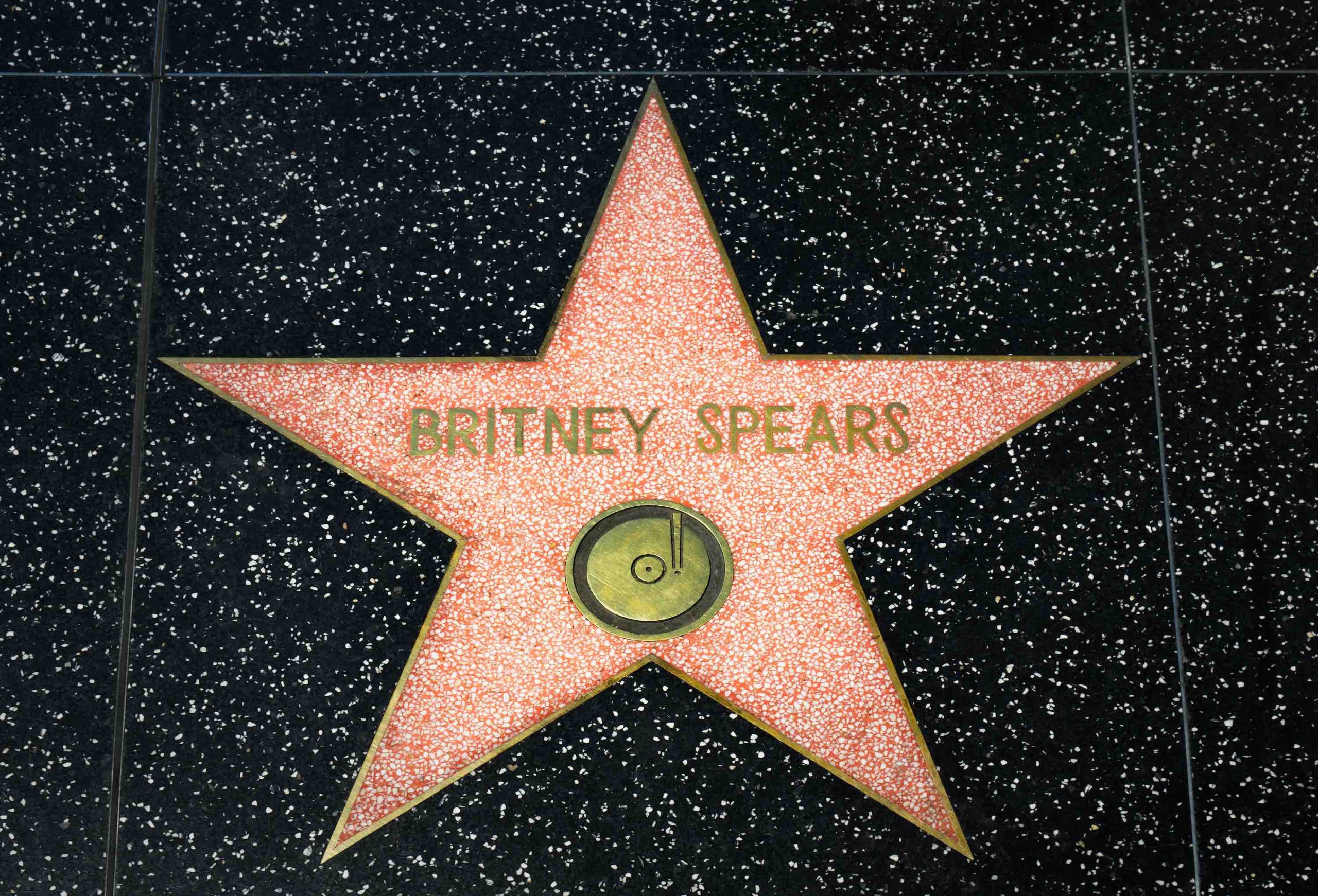
Britney Spears’ Nightmare Conservatorship Underscores The Vital Importance Of Incapacity Planning—Part 1
Estate planning is an obvious concern for all parents, but if you have a child with special needs, it’s crucial that you are aware of the unique considerations that go into planning for a child who may be dependent on you at some level for their lifetime. If your child has special needs, you must understand exactly what’s necessary to provide for the emotional, physical, and financial needs of your child, in the event of your own eventual death or potential incapacity.
When creating your estate plan, there are two major considerations for you to focus on: 1) Who would care for your child if and when you cannot (also known as guardianship), and 2) How will your child’s financial needs be met when you are not there to meet them.
Naming Legal Guardians for a Lifetime of Care
The first and most critical step in ensuring the future well-being of your child with special needs is to name both short and long-term legal guardians to take custody of and care for your child in the event of your death or incapacity. And as you well know, if your child will never become fully capable of independently caring for him or herself, your parenting responsibilities will continue on long after your child reaches adulthood.
Although this lifetime responsibility likely feels overwhelming, we’ve been told repeatedly by our clients who have a child with special needs that naming legal guardians and knowing their child will be cared for in the way they want, by the people they want, creates an immense sense of relief. Not only that, but we often build in unique plans through which the named guardians are carefully instructed—and even incentivized—to give your child the same level of attention and care you provide.
For example, we’ve created plans in which the named guardian is compensated for taking your child to dinner and the movies every week or participating in some similar activity if this is something your child enjoys doing with you. However, without written instructions (and perhaps compensation) built into your estate plan, fun activities like this are often neglected once you are no longer there.
For guidance on selecting the individual(s) best suited to serve as legal guardians and creating the proper instructions for them to provide your special needs child with the same level of care as you, consult with us as your Personal Family Lawyer®.
Providing For Your Child’s Financial Future: Special Needs Trusts
Beyond naming legal guardians for your child with special needs, you’ll also need to provide financial resources to allow your child to live out his or her life in the manner you desire. And this is where things can get tricky for children with special needs.
In fact, it may seem like a “Catch-22” situation—you want to leave your child enough money to afford the care and support he or she needs to live a comfortable life, yet if you leave money directly to a person with special needs, you risk disqualifying that individual for much-needed government benefits like Medicaid and Supplemental Social Security Income (SSI).
Fortunately, the government allows assets to be held in what’s known as a “special needs trust” to provide supplemental financial resources for a physically, mentally, or developmentally disabled child, without affecting his or her eligibility for public healthcare and income assistance benefits. However, the rules for such trusts are complicated and can vary greatly between states, so you should always work with us, your Personal Family Lawyer® in order to create a comprehensive special needs trust that’s properly structured and appropriate for your child’s specific situation.
Setting Up The Trust
Funds from a special needs trust cannot be distributed directly to your child, and instead must be disbursed to a third party who’s responsible for managing the trust. Given this, when you initially set up the trust, you will likely be both the Grantor (trust creator) and Trustee (the person responsible for managing the trust), and your child with special needs is the trust’s Beneficiary.
You’ll then name the person you want responsible for administering the trust’s funds upon your death or incapacity as the Successor Trustee. To avoid conflicts of interest, overburdening the legal guardian with too much responsibility, and providing a system of checks and balances, it may be a wise decision to name someone other than your child’s legal guardian as a Trustee.
As the parent, you serve as the Trustee until you die or become incapacitated, at which time the Successor Trustee takes over. Each person who serves as Trustee is legally required to follow the trust’s terms and use its funds and property for the benefit of your special needs child.
Additionally, you should name multiple Successor Trustees—which can even be a trust company, bank, or another professional fiduciary—as backups in case something happens to prevent the individual you’ve named as primary Trustee from serving.
There are two ways to set up a special needs trust. In the first option, we build it into your revocable living trust, and it will arise, or spring up, upon your death. From there, assets that are held in your living trust will be used to fund your child’s special needs trust.
In the other option, we can set up a special needs trust that acts as a vehicle for receiving and holding assets for your child right now. This option makes sense if you have grandparents or other relatives who want to give your special needs child gifts sooner rather than later.
Finally, it is important to ensure that the trust will have sufficient funds to last throughout the life of your child. One common method to provide funding is for you (or another loved one) to name the special needs trust as the beneficiary of your life insurance policy. Another way is for family members and friends to make donations or gifts to the trust and/or include it as a beneficiary in their will.
Meet with us, as your Personal Family Lawyer®, to discuss all of your available options for ensuring your child’s special needs trust has sufficient funds to last for his or her lifetime and for guidance on the estate planning vehicles best suited for passing money to the trust.
The Trustee’s Role
Once the trust is funded, it’s the Trustee’s job to use the trust funds to support your child without jeopardizing eligibility for government benefits. To ensure this is handled properly, the Trustee must have a thorough understanding of how eligibility for such benefits works and stay current with the ever-changing laws. The Trustee is also required to pay the beneficiary’s taxes, keep detailed records, invest trust property, and stay current with the beneficiary’s needs.
Given this immense responsibility, it’s often best that you name a legal or financial professional who’s familiar with the complexities of the law as Trustee or Co-Trustee, so they can properly handle the duties and not jeopardize your child’s eligibility for government benefits. Alternatively, we can advise your named personal Trustee on how to manage the Trust.
Your Trusted Source For Special Need Planning
If you have a child with special needs, meet with us, as your Personal Family Lawyer®, for trusted guidance and support in creating a special needs trust and other estate planning vehicles for your child. We offer an array of estate planning strategies that are designed to accommodate the unique needs presented by a child with special needs and their families.
We will assist you in passing on the financial assets needed for your child to have a rich quality of life, without jeopardizing his or her eligibility for government benefits. We’ll also support you in finding and appointing a legal guardian and/or Trustee to ensure your child is protected and provided for in the exact manner you wish when you die or if you become incapacitated. Contact us, your Personal Family Lawyer® today to get started.
Proper estate planning can keep your family out of conflict, out of court, and out of the public eye. Are you ready to protect your loved ones and legacy? Check out my next presentation.

.svg)
